

Archive · 3 Jul 2025
Punjab's Paddy Cultivation Expands Despite Crop Diversification Efforts
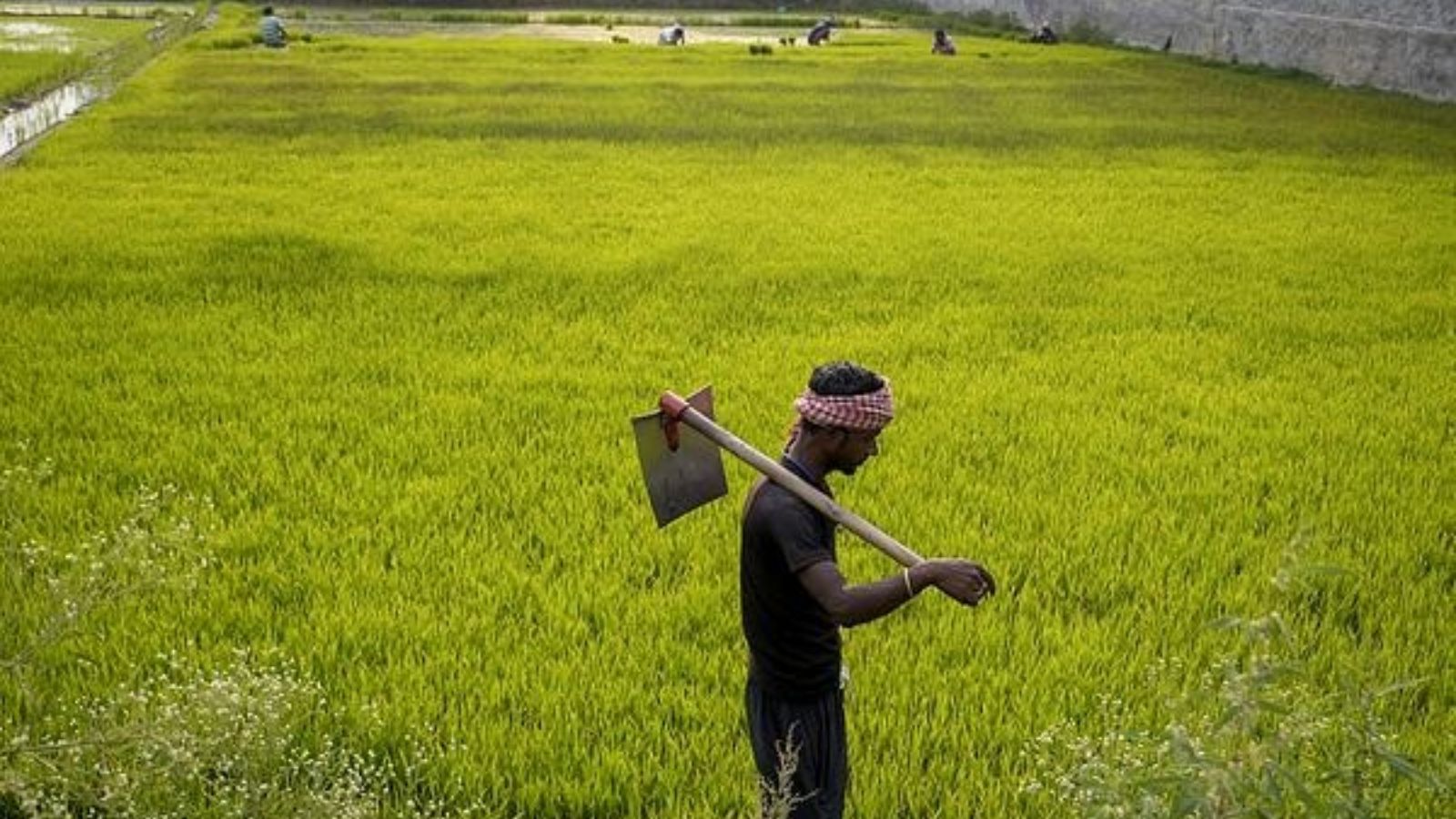
Imagine farmers in Punjab growing a lot of rice (paddy).
Even though the government wants them to grow other crops to save water, they're still planting more rice than before.
This year, more land is used for rice compared to last year.
The government is trying to encourage farmers to grow maize instead of rice, as maize needs less water.
They are offering money to farmers who switch.
However, the area for growing maize is still much smaller than the rice area, which means rice farming remains very important, and they're worried about the water supply.

Paddy sowing in Punjab has increased to 22.47 lakh hectares this year, up from 18.09 lakh hectares last year.
The Punjab government is trying to diversify crops, but paddy cultivation is still dominant.
Several districts have seen substantial increases in paddy sowing, notably Bathinda.
Maize cultivation is promoted as an alternative, but the area under it has decreased.
A pilot project offers incentives for farmers to switch from paddy to maize.
- Who
- Farmers, government, and agriculture officers.
- What
- Paddy cultivation area has increased in Punjab despite government efforts to diversify crops.
- When
- Paddy sowing started earlier this year and continues through the end of the month.
- Where
- Punjab
- Why
- Driven by assured procurement, irrigation availability, and reluctance to risk alternatives.
Environmental Concerns
Farmers' Economic Interests
Water Depletion vs. Economic Viability
Environmental Concerns
Expansion of paddy farming leads to increased groundwater depletion and environmental degradation.
Farmers' Economic Interests
Farmers prefer paddy due to guaranteed markets and established infrastructure.
- Paddy Area Increase
- 4.38 lakh hectares
- Bathinda Increase
- Over 60,000 hectares
- Maize Area (this year)
- 66,334 hectares
- Maize Area (last year)
- 80,000 hectares
- Maize Incentive
- Rs 17,500 per hectare
- Districts with no Maize
- 7