

Archive · 16 Dec 2025
Ethical concerns arise as brain organoids advance
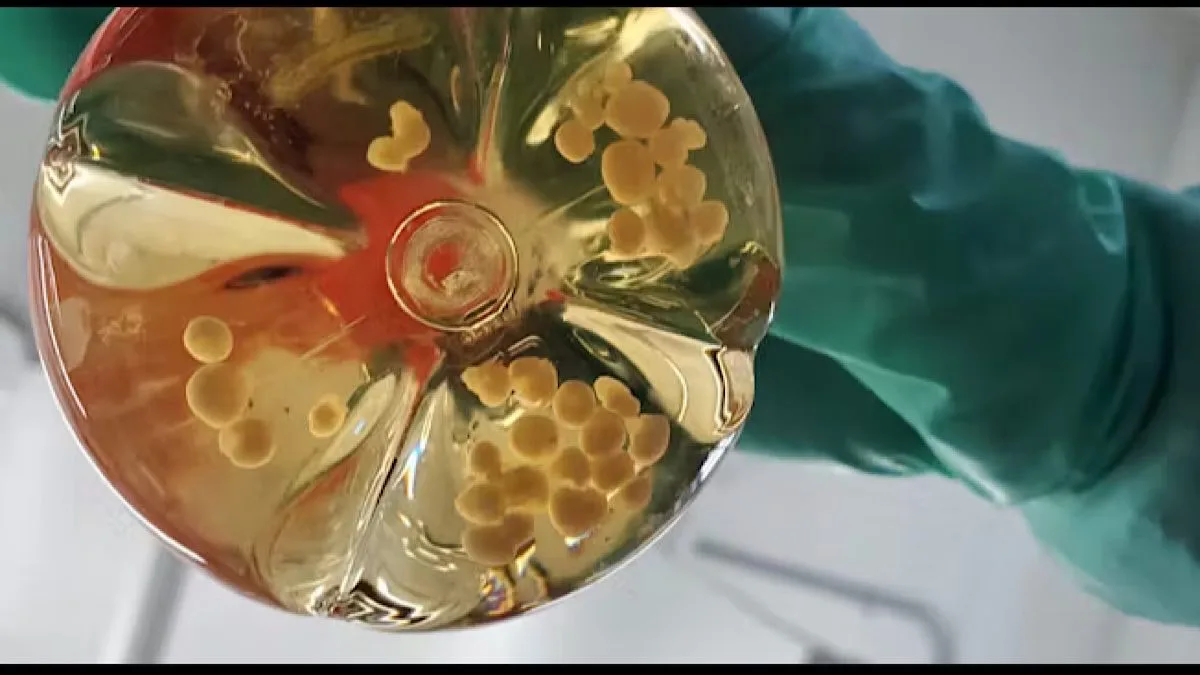
Scientists have created tiny, lab-grown brain-like structures called organoids.
These organoids can mimic some parts of how a real brain works, which helps in studying diseases and testing new medicines.
However, as these organoids become more advanced, there are growing concerns about their ethical treatment.
Some people worry that if organoids start showing signs of brain activity similar to that of a baby, they might be able to feel or think.
Currently, there are no clear rules about how to handle these organoids because they are neither human nor animals.
Scientists and ethicists are calling for better guidelines to ensure that research is done responsibly and safely.

Brain organoids are lab-grown structures that mimic aspects of brain development and function, advancing significantly in the past decade.
Recent breakthroughs have made organoids more complex, with some showing electrical activity similar to early-stage human fetuses.
Organoids offer benefits like deeper insights into brain disorders and reduced reliance on animal testing.
Ethical concerns arise as organoids become more complex, questioning if they might have some kind of feeling or experience.
Current regulatory frameworks do not adequately address organoids, leading to calls for international oversight and clear guidelines.
- Who
- Scientists and bioethicists are involved in the development and ethical discussion of brain organoids.
- What
- Brain organoids are 3D, brain-like structures grown from stem cells that mimic aspects of brain development and function.
- When
- The development of brain organoids has advanced significantly in the past 10 years.
- Where
- Research is being conducted globally, with specific regulatory developments in the US, Europe, and China.
- Why
- To study human development and disease, accelerate drug discovery, and reduce reliance on animal testing, but ethical concerns are arising as organoids become more complex.
- Organoid Definition
- Miniature, lab-grown clusters of cells that imitate real organs.
- Brain Organoid Development
- Progressed from simple cell clusters to sophisticated models mimicking brain development and function.
- Recent Breakthroughs
- Some organoids show electrical activity similar to early-stage human fetuses and form networks of nerve cells.
- Ethical Concerns
- Bioethicists warn about the lack of clear rules for human-derived, living organoids that are becoming more like real brains.
- Regulatory Status
- Organoid research falls under general tissue-use regulations in the US and Europe, with China introducing the first comprehensive guidelines.
- Potential Benefits
- Deeper insights into brain disorders, revolutionizing drug testing, and reducing reliance on animal testing.
- Current Limitations
- Organoids lack sensory input, body integration, and the vast complexity of a human brain.
- Call for Action
- Experts are calling for international oversight, ongoing consent mechanisms, and advisory panels to maintain public trust.