

Archive · 1 Jun 2025
Age-Gap Romance in Indian Cinema: A Changing Narrative?
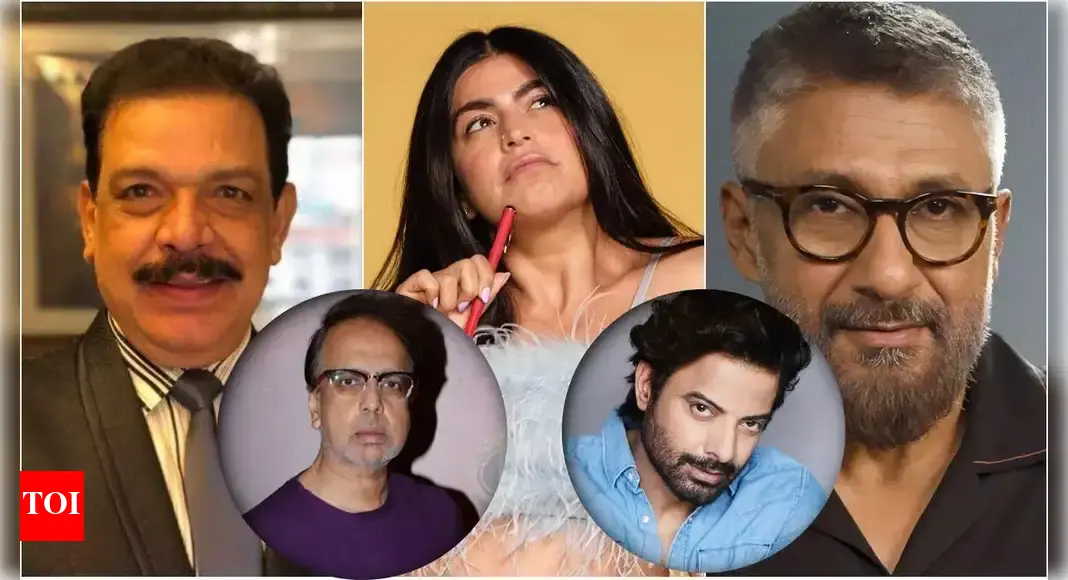
In Indian movies, it's common to see older male actors with very young female co-stars.
This happens because the industry and some viewers believe that it makes money.
But some people think it's not fair.
They say it shows that men can be older and still be seen as attractive, but women's value seems to depend on how young they are.
Many people in the movie business are now saying this needs to change.
They want stories where people of all ages and genders can be the stars and find love.

Indian cinema often pairs older male actors with much younger female leads.
This casting trend is criticized for perpetuating patriarchal and unrealistic portrayals of aging and desirability.
Industry insiders suggest the practice is driven by commercial logic and audience preference.
Many actors and filmmakers are calling for more realistic and diverse storytelling that embraces mature characters and age-appropriate pairings.
While change is slow, some web series and films are beginning to explore different types of pairings.
- Who
- Actors, filmmakers, industry insiders, and audiences are involved.
- What
- The age-gap romance trope in Indian cinema.
- When
- The practice has been prevalent for decades and is currently being challenged.
- Where
- Indian cinema.
- Why
- Driven by commercial interests, societal norms, and star egos.
Traditional View
Evolving View
Casting Preferences
Traditional View
Pairing of older men and younger women is commercially viable and preferred by audiences.
Evolving View
Focus on young heroines and celebrate aging heroes.
Gendered Dynamics
Traditional View
Women's roles decrease with age, men can age gracefully.
Evolving View
Female desirability is tied to youth, and men's value is timeless.
Power Imbalance
Traditional View
Roles boost the egos of male leads.
Evolving View
Egos of male stars often influence casting decisions.
- Focus
- Age gap dynamics in Indian cinema.
- Main Issue
- Older male actors often paired with younger female leads.
- Criticism
- Seen as patriarchal, unrealistic, and perpetuating double standards.
- Industry Perspective
- Male stars' egos, marketability, and traditional views influence casting.
- Signs of Change
- Emergence of new pairings and diverse storytelling on streaming platforms.
- Expert Opinions
- Actors, directors, and writers share insights and criticisms.