

Archive · 10 Aug 2025
Unexplained Fatigue Could Indicate Heart Valve Disease
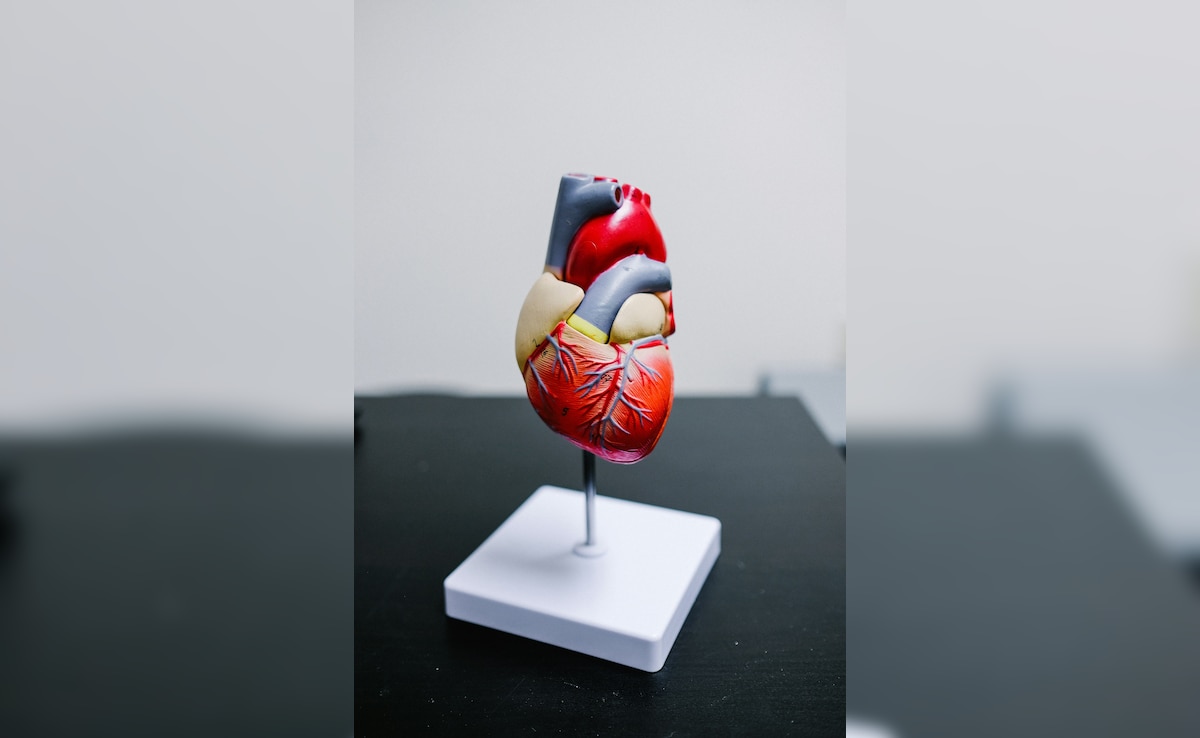
Sometimes, feeling tired all the time isn't just because you didn't sleep well.
It could be a problem with your heart valves, which are like doors in your heart that control blood flow.
When these valves don't work right, it can make you tired, short of breath, and cause other issues.
This condition is often silent, meaning you might not know you have it for a while.
Things like getting older, high cholesterol, or diabetes can make you more likely to get it.
Doctors can find out if you have this problem using a special ultrasound.
If it's not too bad, you might just need to take medicine or be watched closely.
If it's serious, surgery can fix it, helping you feel better and live longer.

Fatigue can be a symptom of heart valve disease, a condition where heart valves don't function properly.
Heart valve disease affects blood flow, potentially leading to shortness of breath, fatigue, chest pain, dizziness, and swelling.
Risk factors include old age, high cholesterol, diabetes, and high blood pressure.
An echocardiogram can detect heart valve disease; treatment ranges from monitoring and medication to surgery like TAVR.
Early diagnosis is crucial to prevent complications such as heart failure and to improve a patient's quality of life.
- Who
- People of all ages can be affected, with risk factors including older age and pre-existing health conditions.
- What
- Heart valve disease occurs when heart valves do not function properly, impacting blood flow.
- When
- The onset of heart valve disease can be silent for many years.
- Where
- The disease impacts the heart, potentially affecting the lungs, brain, and other parts of the body.
- Why
- Improperly functioning heart valves restrict blood flow and can cause complications like heart failure, and fatigue.
- Key Symptom
- Fatigue
- Affected Organ
- Heart
- Possible Complications
- Heart failure, stroke, blood clots
- Diagnostic Method
- Echocardiogram
- Treatment Options
- Monitoring, medication, surgery
- Risk Factors
- Old age, high cholesterol, diabetes, high blood pressure