Archive · 5 Dec 2025
US Expands Social Media Vetting for Visa Applicants
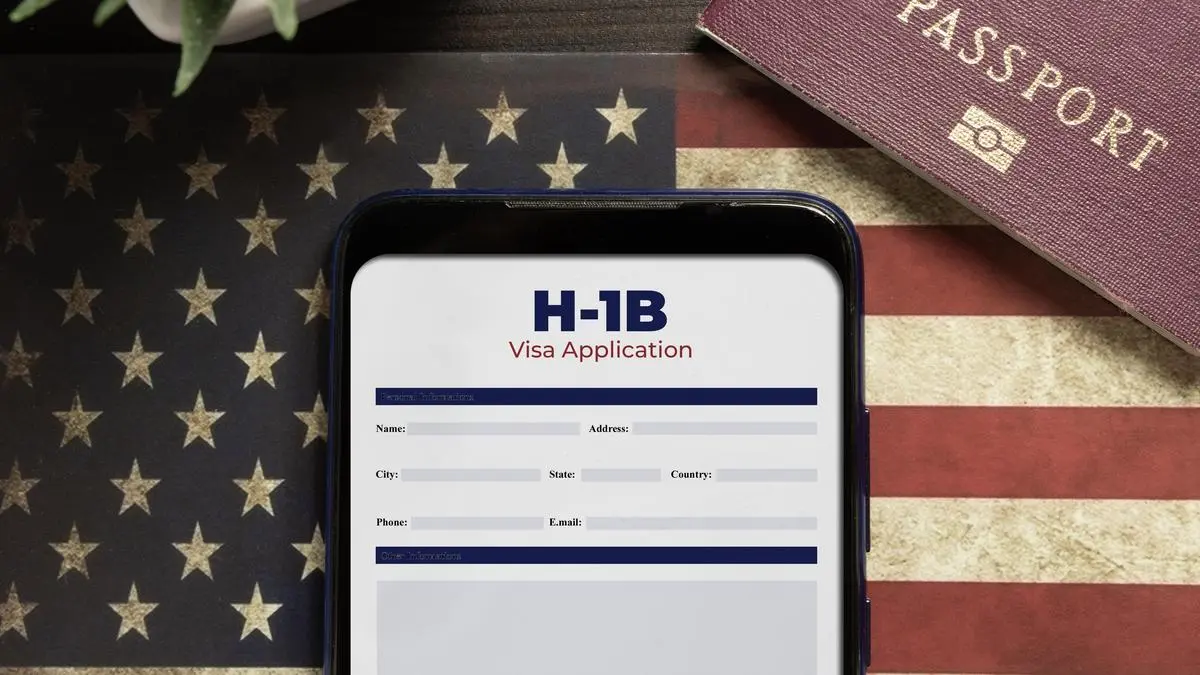
The US government is making a big change to how they check people who want to come to the US on certain visas, like the H-1B visa for workers and F1 visas for students.
Starting December 15, 2025, people applying for these visas and their family members will have to share their social media profiles.
The government wants to make sure these visitors are safe and won't harm the country.
However, some people are worried.
They think this could cause delays, unfair denials, and privacy problems.
For example, people who work in jobs like checking online content or those who keep their social media private for safety reasons might be seen as risky.
There's also no way to appeal if someone is denied a visa.
India has raised concerns about the US canceling visas for Indian students over minor offenses, including social media posts supporting Gaza.
The Indian government has intervened on behalf of these students, arguing that minor offenses should not lead to visa cancellations.
The US government views the policy as necessary for national security.

US to expand mandatory social media vetting for H-1B, F, M, J visa applicants and dependents starting December 15, 2025.
Vetting aims to enhance national security by identifying potential threats, with the US considering visa adjudication a national security decision.
Concerns raised about potential delays, denials, and privacy issues, with high-risk profiles including content moderators, LGBTQ+ individuals, and women with locked accounts.
No appeal process available for denied visa applications, and the US reserves the right to revoke visas based on national security assessments.
India has expressed concern over the cancellation of F1 visas for Indian students for minor offenses, including social media posts supporting Gaza, with nearly 6,000 student visas revoked.
- Who
- H-1B, F, M, J visa applicants and their dependents, including Indian students
- What
- US Department of State expanding mandatory social media vetting and revoking visas for minor offenses
- When
- Starting December 15, 2025, with revocations beginning in April 2025
- Where
- United States
- Why
- To enhance national security and ensure visa applicants do not pose a threat, with India expressing concern over the policy's impact on its students
US Government
Indian Government and Students
Visa Revocation Policy
US Government
The US government has intensified scrutiny of student visas through social media vetting, considering visa adjudication a national security decision. They reserve the right to revoke visas based on national security assessments, including social media activity.
Indian Government and Students
India has expressed concern over the cancellation of F1 visas for minor offenses, including social media posts showing solidarity with Gaza. The Indian government has intervened on behalf of affected students, arguing that minor offenses should not lead to such actions.
Impact on Students
US Government
The US government views the policy as necessary for national security, requiring applicants to adjust social media settings to public for scrutiny.
Indian Government and Students
Indian students and the Indian government argue that the policy has led to unfair visa cancellations and pressure on students to self-deport. They also highlight that participation in protests, a right extended to non-citizens, should not be grounds for visa termination.
- Visa Types Affected
- H-1B, F, M, J
- Implementation Date
- December 15, 2025
- Purpose
- Heightened national-security vetting
- Applicants Required to Disclose
- Social media profiles
- Potential Impact
- Delays, denials, privacy concerns
- High-Risk Profiles
- Content moderators, LGBTQ+ individuals, women with locked accounts
- Appeal Process
- None for denied applications
- Number of Revoked Student Visas
- Nearly 6,000
- Reason for Revocation
- Social media posts, minor offenses, participation in protests