

Archive · 10 Sep 2026
India’s Crude Basket Tops $100 as Geopolitical Risks Persist
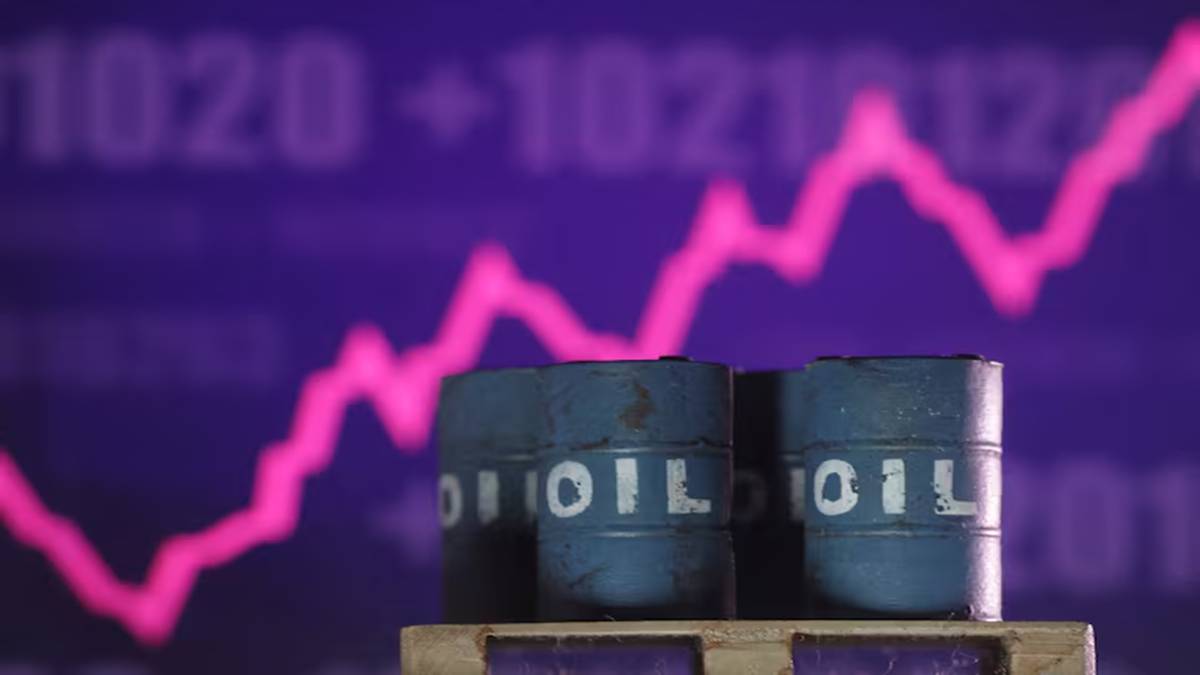
India buys much of its oil from other countries.
The price of oil has recently gone above $100 for each barrel.
Fighting and shipping worries involving the United States and Iran are making oil markets nervous.
If oil stays expensive, petrol, diesel and cooking gas may become more costly for companies or consumers.
It could also make transportation and manufacturing more expensive.
India’s government may face a larger bill, and inflation could rise.
One expert believes the price increase may be temporary if more oil becomes available.
But prices could rise further if the conflict worsens and oil supplies are disrupted.

India’s crude oil basket crossed $100 a barrel after nearly four months, up about 28% from its July low of $82.
Brent was near $102 and WTI around $97 as US-Iran tensions raised concerns about supply disruptions and shipping through the Strait of Hormuz.
India imports nearly 88% of its crude requirements, increasing risks to its import bill, inflation, current account deficit and currency.
ICRA said petrol and diesel marketing margins were already negative, while domestic LPG under-recoveries stood at Rs 200 per cylinder.
Analysts said prices could ease below $90 if tensions and supplies stabilize, but could approach $120 if conflicts cause major disruptions.
- Who
- India, its oil consumers and fuel-marketing companies are affected; analysts from ICRA, IDFC FIRST Bank and Geojit Investments provided assessments.
- What
- India’s crude oil basket crossed $100 a barrel amid higher global crude prices and geopolitical supply concerns.
- When
- Recently; the basket crossed the threshold after nearly four months, with September’s average prices cited for marketing margins.
- Where
- India and international oil markets, particularly around the Strait of Hormuz and the Red Sea.
- Why
- Renewed US-Iran hostilities, uncertainty over maritime transit and threats to oil transportation have raised concerns about supply disruptions.
Temporary spike
Sustained price pressure
Future crude prices
Temporary spike
Geojit Investments said the move above $100 may be temporary if markets find alternative supplies and producers adjust output.
Sustained price pressure
Prices could remain elevated or rise toward $120 if geopolitical conflicts worsen and cause major supply disruptions.
Retail fuel prices
Temporary spike
If crude prices ease, pressure on fuel prices, inflation and company margins could lessen.
Sustained price pressure
IDFC FIRST Bank said a sustained rise above $100 could allow retail fuel-price increases and add to inflation risks.
Economic impact
Temporary spike
Stable supplies and weaker global demand could push India’s crude basket below $90 a barrel.
Sustained price pressure
Persistently high prices could increase transportation and manufacturing costs, widen the current account deficit, pressure the rupee and affect growth.
- India’s crude basket
- Crossed $100 a barrel, nearly 28% above its July low of $82.
- International prices
- Brent was near $102 a barrel and WTI around $97.
- India’s import dependence
- India imports nearly 88% of its crude oil requirements.
- Fuel marketing margins
- September-to-date margins were negative Rs 5 per litre for petrol and Rs 23 per litre for diesel.
- Domestic LPG
- Under-recoveries were reported at Rs 200 per cylinder.
- Possible lower price
- Prices could fall below $90 a barrel if geopolitical conditions ease, supplies remain stable and global demand weakens.
- Possible higher price
- Prices could move toward $120 a barrel if conflicts escalate and cause significant supply disruptions.