Archive · 31 Dec 2025
Supreme Court's Aravalli Judgment Raises Concerns Over Procedural Transparency
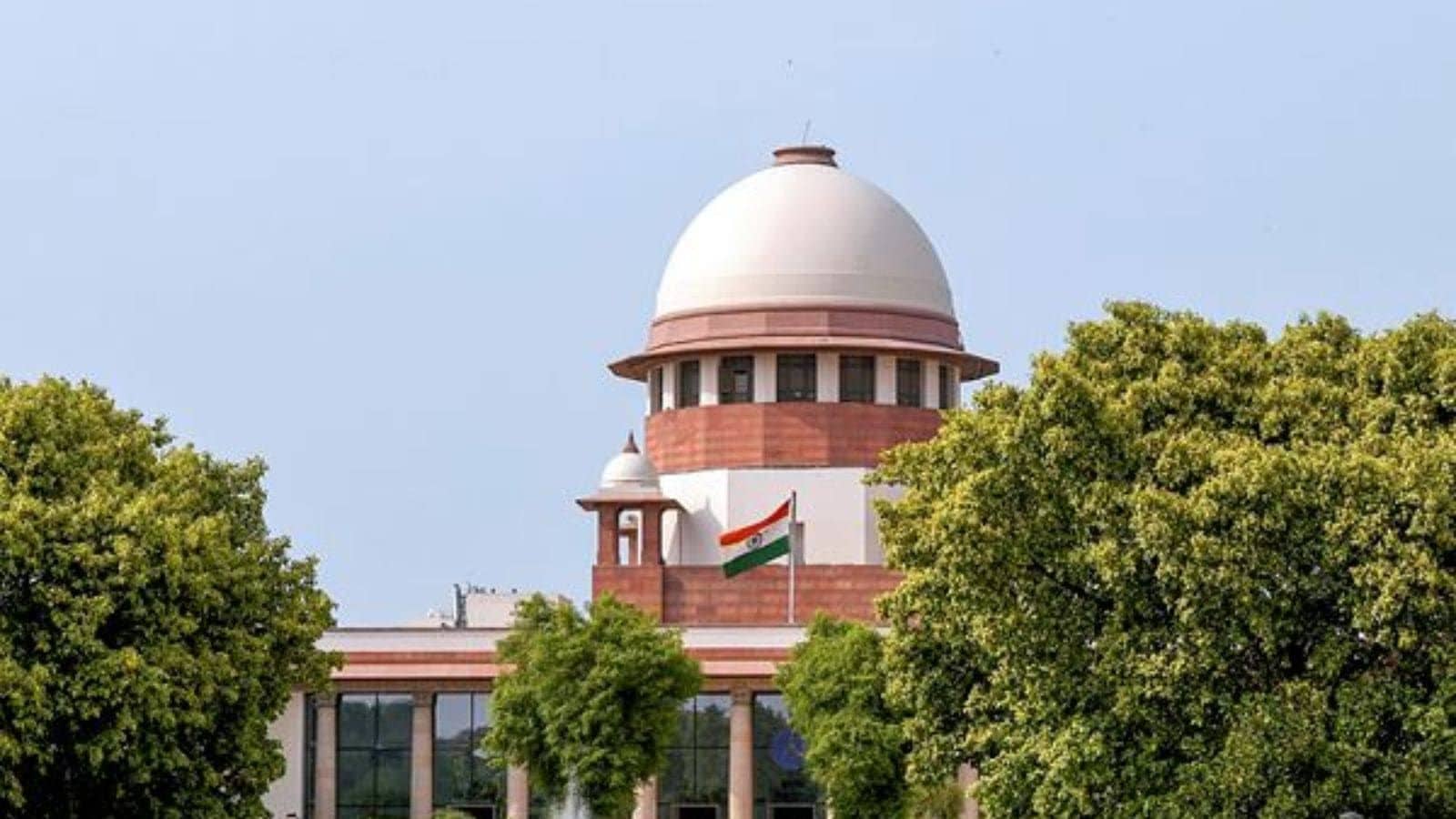
The Supreme Court recently stayed a judgment about the Aravalli range, which is a good outcome, but the way it was done is concerning.
The Court has been changing its decisions more frequently lately, and this is happening quickly and without following the usual rules.
This makes it hard for people to know what the final decision is.
The Court has the power to correct mistakes, but it should do so carefully and within the rules.
Recently, the Court has been using different methods to change its decisions without going through the formal review process.
This is worrying because it makes the legal system less stable.
The Court should take time to make decisions carefully and follow the proper procedures to maintain trust in the system.

The Supreme Court stayed a judgment concerning the Aravalli range, raising concerns about procedural transparency.
There is a growing pattern of the Court revisiting its own orders quickly and without following established procedures.
Historical precedents for reconsideration involved long intervals and careful reasoning, unlike recent developments.
The Court's ability to correct errors is constrained by Article 137 of the Constitution, which requires specific conditions for review.
Recent examples show the Court using alternative methods to bypass formal review processes, creating opacity and instability.
- Who
- The Supreme Court of India
- What
- Stayed a judgment concerning the Aravalli range and raised concerns over procedural transparency
- When
- The judgment was stayed on Monday
- Where
- India
- Why
- To address a growing pattern of procedural departure and opacity in the Court’s functioning
- Judgment Stayed
- Supreme Court stayed a judgment concerning the Aravalli range
- Procedural Concerns
- Growing pattern of procedural departure and opacity in the Court’s functioning
- Historical Precedent
- Recent reconsiderations differ from historical precedents in speed and manner
- Challenges to Principles
- Consistency, predictability, and finality of judgments are at risk
- Review Jurisdiction
- Article 137 of the Constitution allows for review under specific conditions
- Alternative Procedural Routes
- Court is using alternative methods to bypass formal review processes
- Complex Issues
- Court is increasingly dealing with complex and politically salient issues
- Interim Orders
- Interim orders are often modified or recalled without formal review