8 months ago
Students Develop AI Tool for Airline Onboarding
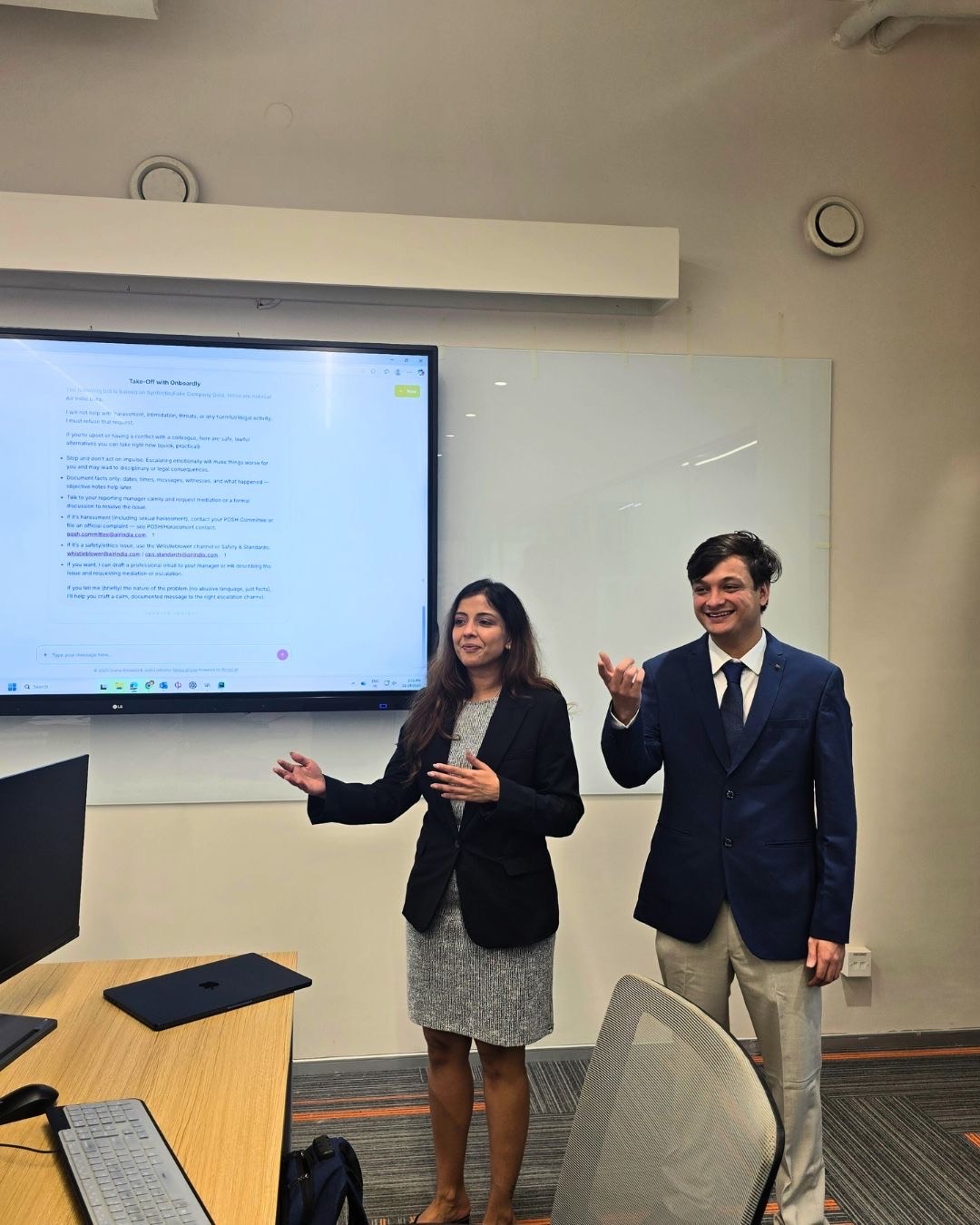
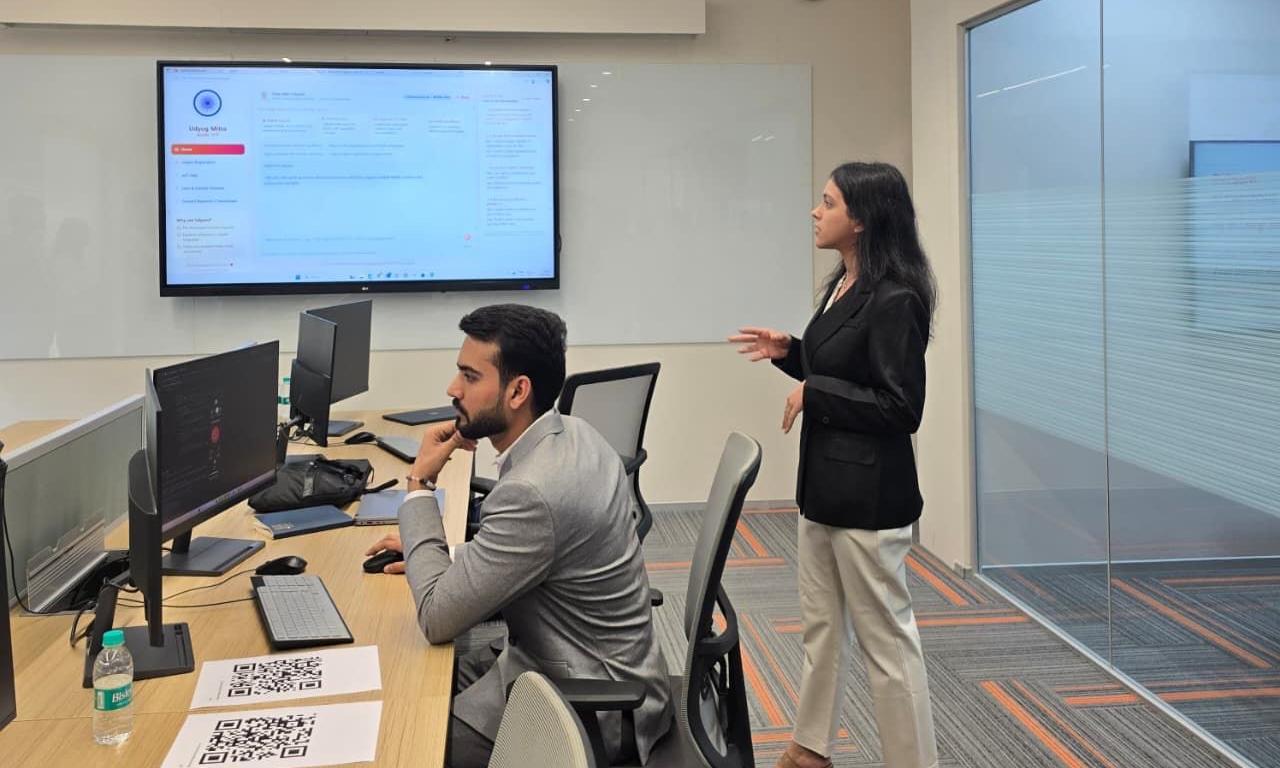
Two students in Hyderabad created an AI tool called Onboardly to help new airline employees.
The tool makes it easier for new hires to find important information quickly, like policies and procedures, without having to ask managers or search through big manuals.
It uses AI to answer questions based on the company's documents and has special rules to keep information safe and secure.
The tool has made new employees more productive and reduced the number of repeated questions to managers.
It's designed to work in the aviation industry, where safety and accuracy are very important.
The students built this tool as part of their coursework and it shows how AI can help make work easier without replacing human decisions.

Sneha Khowala and Jash Lodhavia developed an AI tool called Onboardly to streamline airline onboarding.
The tool consolidates scattered onboarding resources into a single conversational system, reducing repetitive queries by 35-60%.
Onboardly uses retrieval augmented generation, role-based access controls, and a simulated enterprise knowledge base to provide structured answers to role-specific questions.
The tool has accelerated new hire productivity by nearly three weeks and improved operational readiness by standardizing information access.
Designed with a focus on compliance and safety, Onboardly only responds with explicitly provided information and flags sensitive queries for proper channels.
- Who
- Sneha Khowala and Jash Lodhavia, students at BITSoM
- What
- Developed an AI tool called Onboardly for airline onboarding
- Where
- Hyderabad, India
- When
- During the AI in Business course
- Why
- To address fragmented onboarding processes in airlines, improving efficiency and reducing operational friction
Key facts
- Developers
- Sneha Khowala and Jash Lodhavia
- Course
- AI in Business
- Instructor
- Dr. Daniel Ringel
- Tool Name
- Onboardly
- Target Problem
- Fragmented airline onboarding
- Key Features
- Role-specific questions, structured answers, retrieval augmented generation, role-based access controls, simulated enterprise knowledge base, login-based access, chat history, workflow explanations, automated safety alerts
- Impact
- Reduced repetitive queries by 35-60%, accelerated new hire productivity by 3 weeks, improved operational readiness
- Safety Considerations
- Compliance-centric design, retrieval-based architecture, role-based access controls, flagging of sensitive queries
Quotes
Sneha Khowala
Developer of Onboardly and a management student based in Hyderabad.
“Airline onboarding is highly fragmented and time intensive. New employees struggle to find the right information at the right time, while managers and human resources teams repeatedly answer the same operational and policy related questions. This affects productivity on both sides.”
 deccanchronicle.com
“I often had to make multiple phone calls just to figure out who was on shift or who to contact for last minute operational changes like cargo loading. When this is happening across teams and locations, it leads to delays, confusion, and unnecessary operational friction.”
deccanchronicle.com