

Archive · 17 Nov 2025
Early Childhood Violence Linked to Lifelong Mental Health Issues
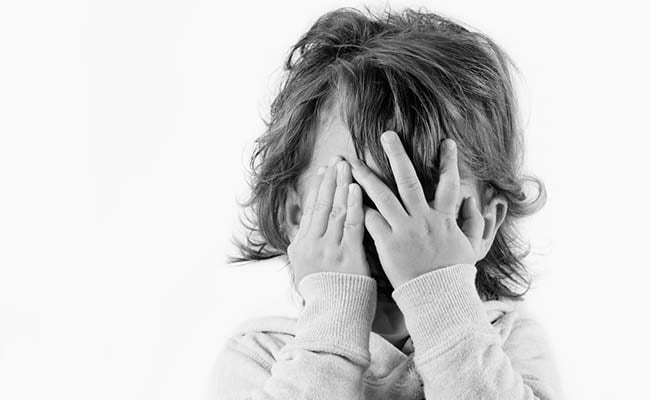
Many children around the world grow up seeing or experiencing violence, which can hurt their mental health even before they start school.
This can lead to problems like anxiety, sadness, or acting out.
The more types of violence a child sees or experiences, the bigger the risk.
To help, we need to act early and in many ways, like supporting families and making neighborhoods safer.

Violence exposure common in early childhood worldwide
Impacts mental health in preschool years
Multiple exposures compound risk
Early intervention crucial
Population-level response needed
- Who
- Children in low- and middle-income countries
- What
- Exposed to violence in early childhood
- When
- Before they start school
- Where
- In their homes, neighborhoods, or communities
- Why
- To understand the impact on mental health
Individual Therapy
Population-Level Response
Addressing the problem
Individual Therapy
Individual therapy can help affected children
Population-Level Response
Widespread issue requires broader community and policy responses
- Prevalence of violence exposure
- Over 70% of children in 20 countries and 83% in South Africa by age 4.5
- Types of violence exposure
- Witnessing community or domestic violence, direct victimization
- Mental health impacts
- Internalising (anxiety, fear, sadness) and externalising (aggression, hyperactivity, rule-breaking) symptoms
- Risk compounding
- Multiple exposures increase risk, especially domestic and community violence
- Early intervention
- Before school entry to alter developmental pathways