1 week ago
How John Coltrane Bridged Jazz and Carnatic Music
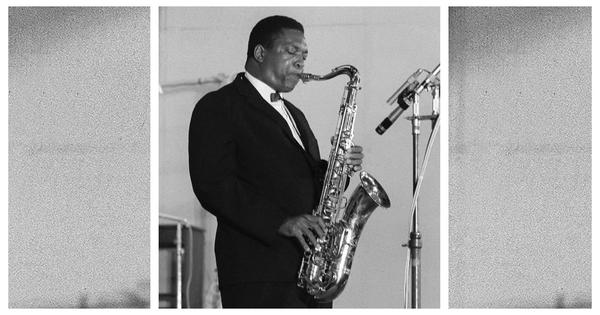
John Coltrane was a famous jazz saxophone player.
The writer first heard him on Miles Davis’s album Kind of Blue.
The writer also grew up with Carnatic music, an Indian classical tradition.
They hear similarities between Coltrane’s repeated musical ideas and the way Indian musicians explore a raaga.
Coltrane used both complicated chord changes and simpler musical spaces for improvising.
He became interested in Indian music and Ravi Shankar during the 1960s.
The writer thinks Coltrane might have studied all 72 Carnatic parent scales if he had lived longer.
The article also imagines him working with Pakistani qawwali singer Nusrat Fateh Ali Khan.
These imagined collaborations show how Coltrane might have connected different musical traditions.

The writer connects John Coltrane’s modal improvisation with the exploration of Indian classical raagas.
Coltrane’s 1963 performance of “My Favorite Things” became especially meaningful to the writer because of its sustained melodic focus.
Coltrane explored chord-based jazz and modal improvisation simultaneously, including on Giant Steps and Kind of Blue.
His interest in Indian music grew by 1961 through Ravi Shankar, Indian scales, drones, and ideas about music’s emotional power.
The writer imagines Coltrane mastering Carnatic music’s 72 melakarta scales and collaborating with Nusrat Fateh Ali Khan.
- Who
- John Coltrane, as viewed through the experiences of a writer raised around Carnatic music.
- What
- A personal analysis of connections between Coltrane’s jazz improvisation and Indian classical music.
- Where
- The discussion spans Coltrane’s recordings and performances, including sessions in Berlin, Stockholm, and New York, as well as his interest in India.
- When
- The reflection appears on September 23, 2026, Coltrane’s hundredth birthday; it focuses mainly on his career from 1957 to 1967.
- Why
- The writer explains why Coltrane remains meaningful and considers how Indian musical ideas may have influenced his development.
Indian-Influence Interpretation
Cautious Critical View
How early the influence appeared
Indian-Influence Interpretation
The writer hears an Indian quality in Coltrane’s approach from the beginning, especially in his modal improvisations and repeated exploration of melodic patterns.
Cautious Critical View
The article acknowledges that Coltrane’s Indian influences are most clearly documented in his later years and that the early connection is partly the writer’s personal interpretation.
Similarity between jazz and raaga improvisation
Indian-Influence Interpretation
The writer compares Coltrane’s sustained improvisation over a stable musical space with the way Indian musicians explore a raaga against a drone.
Cautious Critical View
The writer stresses that this is not a conclusive comparison: jazz chord progressions and Indian raaga structures are different, and there is little evidence that Coltrane used specific raagas literally.
Coltrane’s possible future direction
Indian-Influence Interpretation
The writer imagines that Coltrane would have studied all 72 Carnatic melakarta scales and developed new raagas within them.
Cautious Critical View
This is explicitly presented as a wish rather than a prediction, because Coltrane died in 1967 before such a path could be documented.
Key facts
- Coltrane’s lifespan
- 1926–1967; he died at age 40.
- Centenary
- September 23, 2026, is identified as Coltrane’s hundredth birthday.
- Key recordings
- Kind of Blue, Giant Steps, My Favorite Things, A Love Supreme, and Afro Blue Impressions.
- Indian influence
- Coltrane was listening closely to Ravi Shankar and collecting his records by early 1961.
- Named son
- Coltrane and Alice named their second son Ravi in 1965.
- Carnatic system
- The melakarta system contains 72 parent scales.
- Unrealized collaborations
- Coltrane never recorded with Ravi Shankar, and the article imagines a possible collaboration with Nusrat Fateh Ali Khan.
Quotes

John Coltrane
American jazz saxophonist and composer discussing the possibility of recording with Ravi Shankar
“I’d increase my possibilities tenfold.”
 scroll.in
Sources
Related news

John Coltrane at 100: India’s Influence on His Music
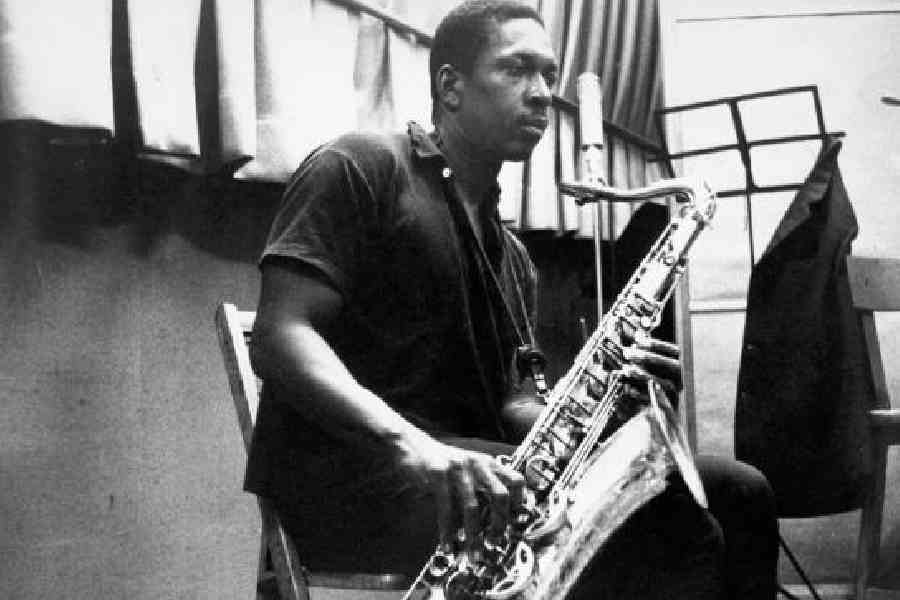
John Coltrane’s Century-Long Influence Still Shapes Global Music

Guy Mintus Brings Musical Traditions Together at Mumbai PianoForte

Neeru Lets Musical Boundaries Blur Naturally in Moonbow
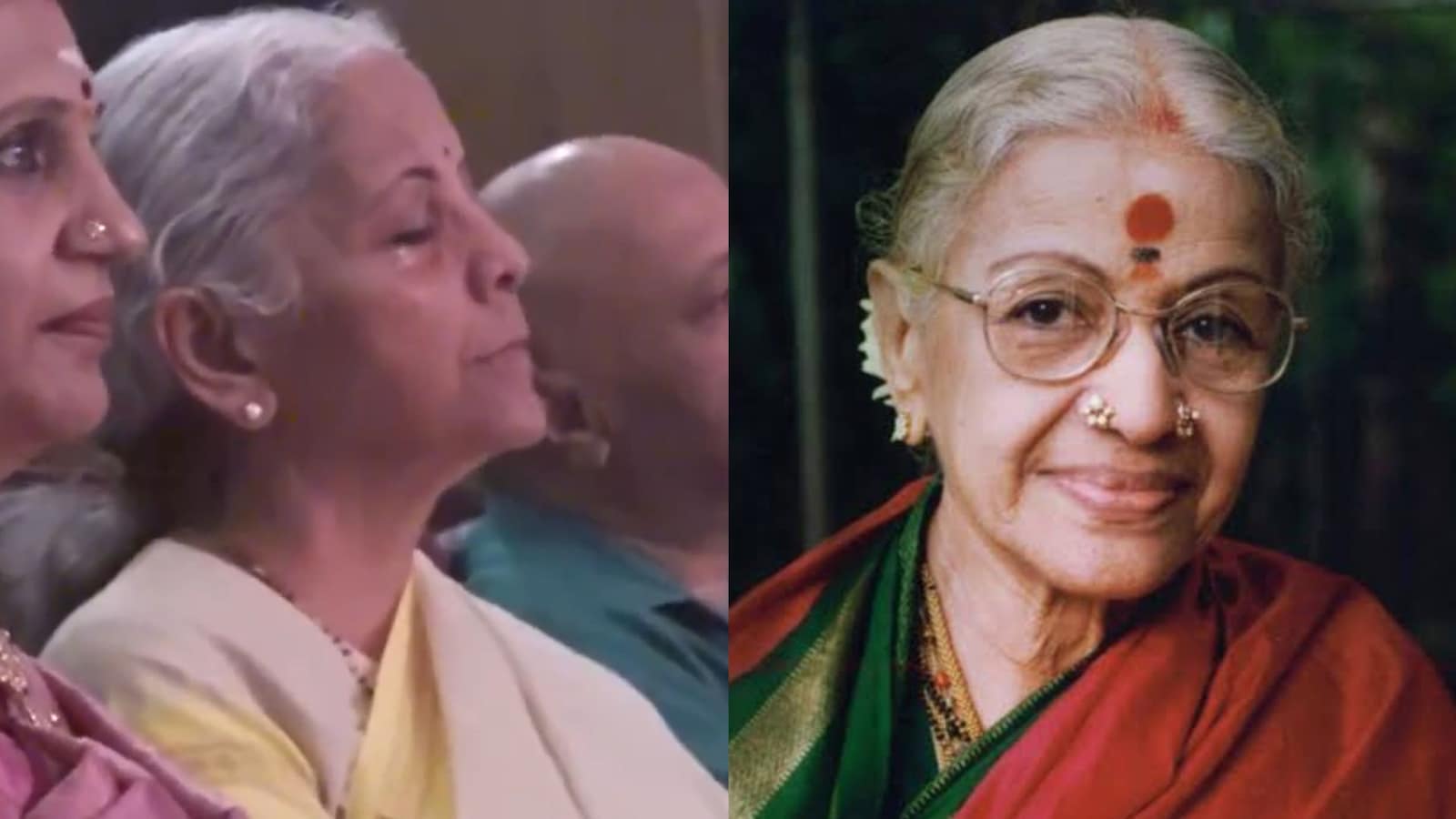
Sitharaman Hails Subbulakshmi’s Genius, Discipline and Devotion in Bengaluru