Archive · 8 Sep 2026
Alternative-Fuel Cars Overtake Petrol Sales in India Amid E20 Debate

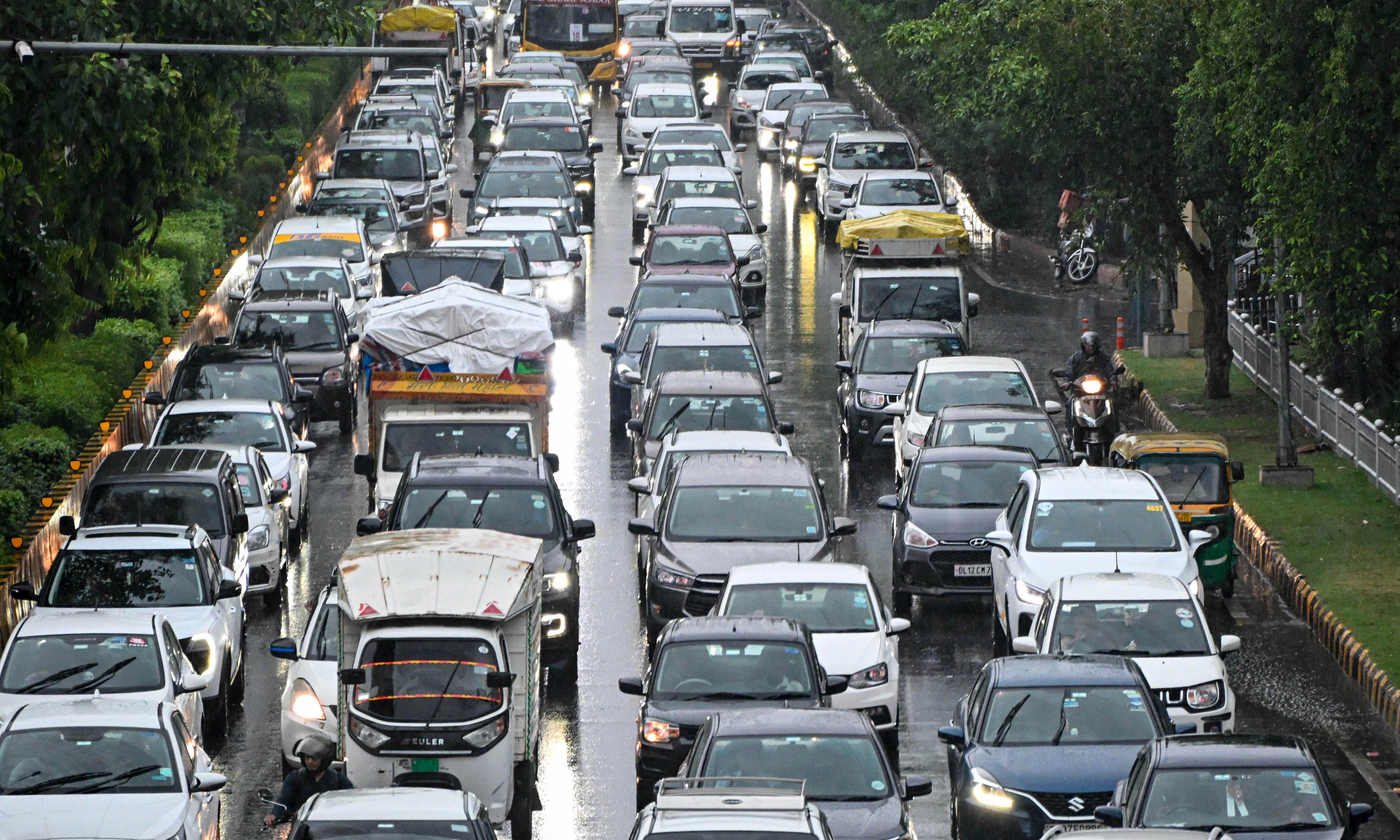
In August, Indian buyers bought slightly more alternative-fuel cars than petrol cars.
Alternative-fuel cars include CNG, hybrid and electric vehicles.
Together, these vehicles made up 41.95% of passenger-car sales, while petrol cars made up 40.85%.
Petrol was still the largest single fuel type.
Dealers said lower running costs helped encourage buyers to choose alternative fuels.
Concerns about E20 petrol, which contains 20% ethanol, may also have pushed some people away from petrol.
More electric models, longer driving ranges and additional charging stations are supporting the trend.
The government says E20 is intended to reduce crude-oil imports and has rejected what it calls exaggerated criticism.
Overall vehicle sales reached a record for August, although higher prices and inventories remain concerns.

Alternative-fuel passenger vehicles accounted for 41.95% of India’s August sales, surpassing petrol vehicles at 40.85%.
CNG vehicles represented 25.28% of sales, followed by hybrids at 9.04% and electric vehicles at 7.63%.
Dealers attributed the shift to running-cost economics, E20 concerns, improved EV range, broader model choice and expanding charging infrastructure.
India’s automobile retail sales rose 17.5% year on year in August to 2.4 million vehicles, a record for the month.
Passenger-vehicle inventory reached about 38–40 days, while Maruti Suzuki India announced price increases of up to 20,000 rupees on select models from September.
- Who
- Indian car buyers, the Federation of Automobile Dealers Associations, vehicle dealers, automakers and the government.
- What
- Alternative-fuel passenger-vehicle sales exceeded petrol-vehicle sales in India in August for the first time, according to FADA.
- When
- August; the sales figures were reported on Monday, and Maruti Suzuki India’s announced price increases begin in September.
- Where
- India.
- Why
- The shift was associated with running-cost considerations, E20 concerns, higher oil prices, more alternative-fuel models, improved electric-vehicle range and expanding charging infrastructure.
Alternative-Fuel Transition
E20 Policy and Petrol Defense
Why buyers are changing preferences
Alternative-Fuel Transition
Dealers and industry observers said alternative fuels are gaining ground because of lower running costs, wider model choice, better EV range, expanding charging infrastructure and concerns about E20 petrol.
E20 Policy and Petrol Defense
Petrol remained the largest single fuel category, and the government has defended the E20 transition as a way to reduce crude-oil imports, improve energy security, lower carbon emissions and support farmers.
Effects of E20 petrol
Alternative-Fuel Transition
Owners of older vehicles and critics say E20 can reduce fuel economy, performance and potentially contribute to engine-related issues.
E20 Policy and Petrol Defense
The government has called some criticism “wild claims” and said mileage also depends on driving habits, maintenance, tyre condition, alignment and air-conditioning use.
Impact of higher prices
Alternative-Fuel Transition
FADA Vice President Sai Giridhar warned that further price increases could erode the benefits of previous tax reforms aimed at supporting consumption.
E20 Policy and Petrol Defense
Despite inflation and price increases, dealers remain optimistic because India’s festive season typically encourages big-ticket purchases.
- Alternative-fuel share
- 41.95% of passenger-vehicle sales in August
- Petrol share
- 40.85% of passenger-vehicle sales
- Fuel breakdown
- CNG 25.28%, hybrid 9.04% and electric 7.63%
- August retail sales
- 2,423,201 vehicles, up 17.5% year on year
- E20 petrol
- Petrol containing 20% ethanol, replacing E10 in the transition described
- Vehicle inventory
- About 38–40 days, five days above end-July levels
- Maruti Suzuki price increase
- Up to 20,000 rupees on select models from September