Archive · 1 Oct 2026
Pentagon Creates Autowarcom for AI and Drone Warfare
The United States is creating a new military command for robots, drones, and artificial intelligence.
It will be called the Autonomous Warfare Command, or Autowarcom.
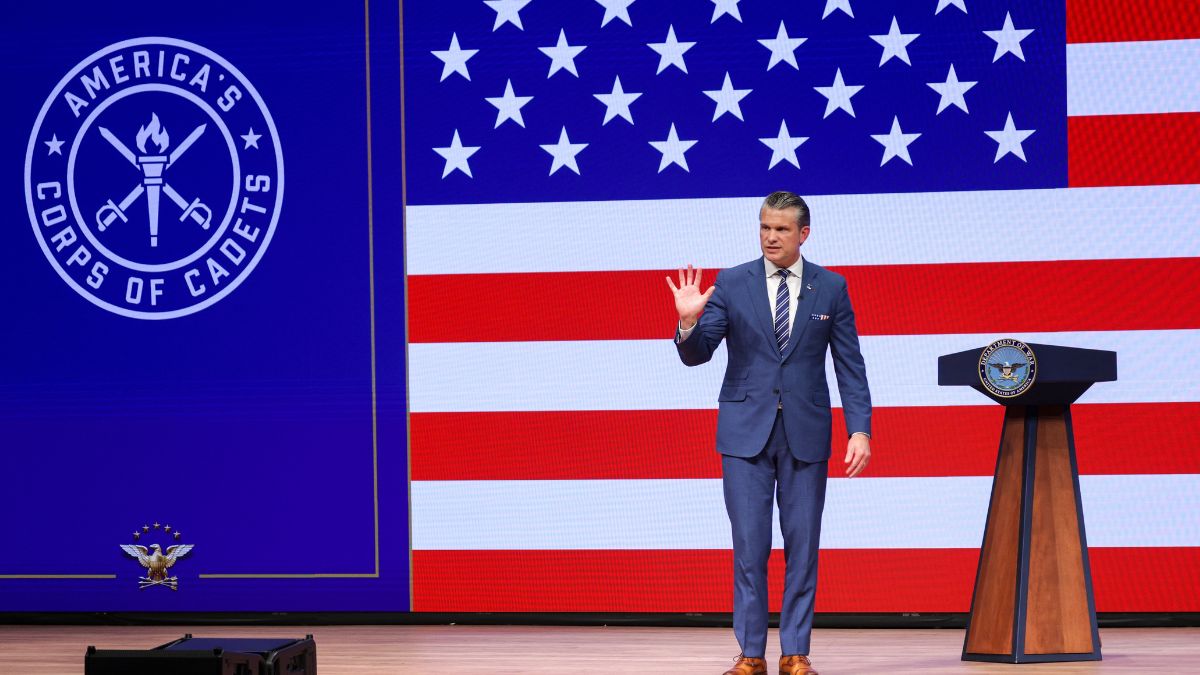
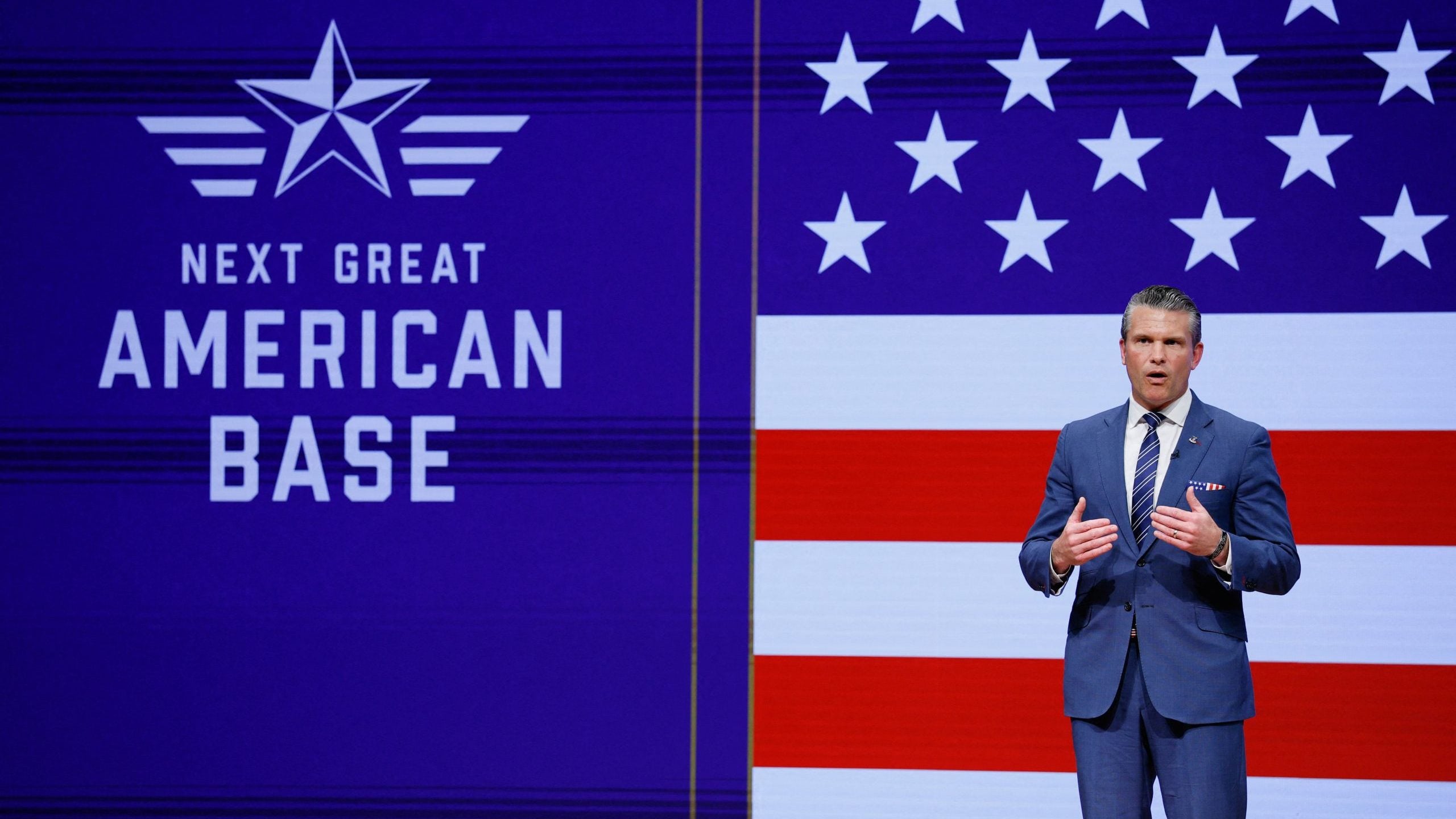
Pete Hegseth announced it at Quantico in Virginia.
A four-star officer will lead the command.
Officials say wars are changing very quickly.
They want less expensive machines that can work alongside or sometimes replace costly weapons.
The war in Ukraine has shown how drones can scout and attack targets remotely.
Experts worry that military AI could become dangerous if countries develop it without strong safety rules.
The announcement comes as the Trump administration continues to support AI development, despite disputes over safeguards involving Anthropic.

Defense Secretary Pete Hegseth announced the Autonomous Warfare Command, or “Autowarcom,” at Quantico, Virginia.
The command will develop and provide autonomous and robotic capabilities, including drones and artificial intelligence, across the United States military.
Hegseth said warfare is changing faster than military support processes and that the United States needs both quality and quantity in weapons systems.
The Pentagon is pursuing lower-cost, AI-driven systems that could complement or replace some expensive conventional weapons platforms.
Experts warn that unchecked military AI development could increase global security risks, while the war in Ukraine has demonstrated the growing importance of drones.
- Who
- United States Defense Secretary Pete Hegseth announced the command.
- What
- The Autonomous Warfare Command will develop and provide autonomous and robotic military capabilities, including drones and artificial intelligence.
- When
- Hegseth announced it on Wednesday, September 30; the articles do not specify the year.
- Where
- The announcement was made at Quantico, Virginia.
- Why
- The Pentagon says warfare is changing rapidly and wants cheaper autonomous systems, while the war in Ukraine has highlighted the effectiveness of drones.
AI Safety Concerns
Military Modernization Case
Military AI development
AI Safety Concerns
Security experts warn that unchecked AI development and rivalry between major powers could heighten global security risks. Experts from the United States and China have called for safeguards and consensus-building for military AI, including systems connected to nuclear weapons.
Military Modernization Case
The Pentagon argues that rapidly changing warfare requires faster development of autonomous and robotic systems supported by inexpensive computing and advanced commercial manufacturing.
Cost and scale of weapons
AI Safety Concerns
Critics of accelerated military AI development emphasize the danger of expanding autonomous capabilities without adequate guardrails.
Military Modernization Case
Hegseth says the United States needs both quality and quantity, with lower-cost, high-precision systems complementing or replacing some expensive conventional weapons platforms.
AI safeguards and deployment
AI Safety Concerns
Anthropic refused to allow its models to be used for surveillance or autonomous weapons, and AI workers and technology companies have raised concerns about unregulated development.
Military Modernization Case
The Trump administration has continued backing AI development and data-center expansion, with officials arguing that existing safeguards are sufficient.
- Command name
- Autonomous Warfare Command, referred to as “Autowarcom”
- Announced by
- United States Defense Secretary Pete Hegseth
- Leadership
- The command will be led by a four-star officer
- Main focus
- Autonomous and robotic capabilities, including drones and artificial intelligence
- Existing commands
- The United States military currently has 11 combatant commands
- Last comparable creation
- United States Space Command was launched in 2019
- Ukraine estimate
- Drones are estimated to account for about 70% of Russian casualties, according to the Reuters reports
- Related AI dispute
- Anthropic sued after being designated a supply-chain risk; a US district judge later ruled that the administration had illegally retaliated against the company