

Archive · 13 Jan 2026
Immigration Agents' Use of Warrants Sparks Legal Debate
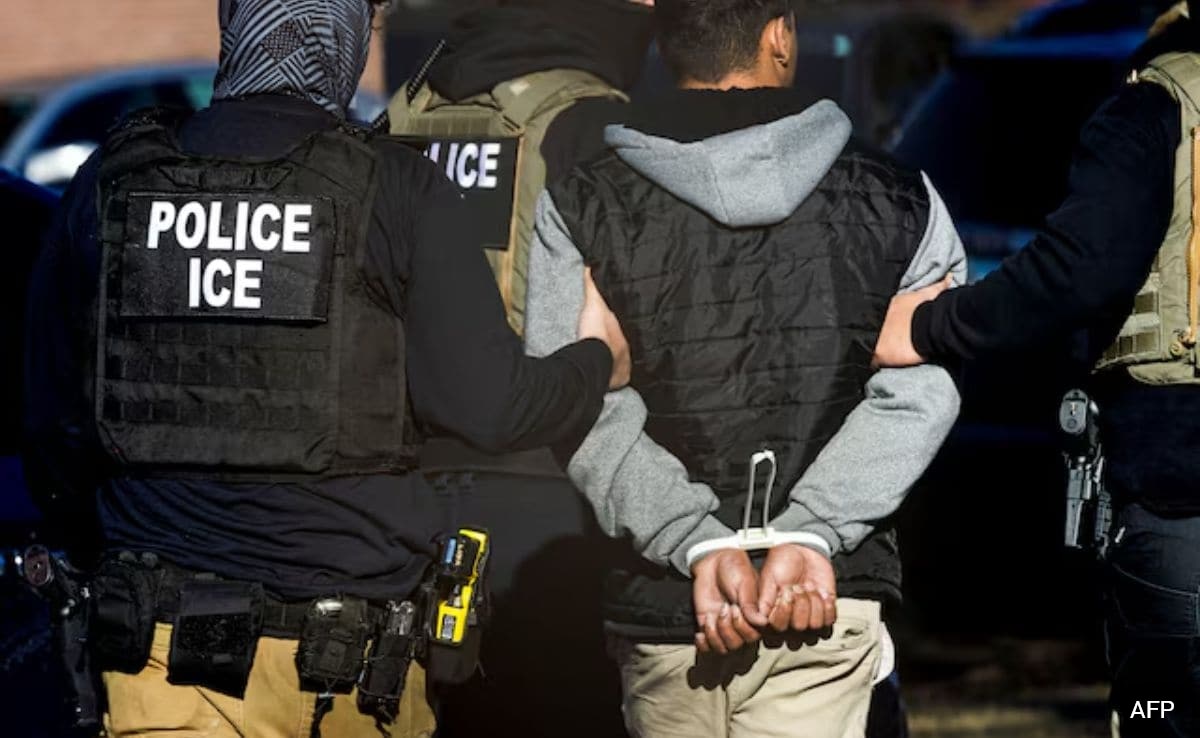
Immigration agents often use administrative warrants to make arrests.
These warrants don't allow them to force their way into private homes.
Only judicial warrants, signed by a judge, give them that power.
Recently, there have been debates and confrontations because some agents have tried to enter homes with only administrative warrants.
Experts say this can lead to legal problems for the agents.
There are also campaigns to teach people about their rights when dealing with immigration agents.
In one case in Minneapolis, agents used an administrative warrant to raid a home, which raised questions about the legality of their actions.
The federal government is responsible for investigating any wrongdoing, but it's not clear if they will take action.

Most immigration arrests are made using administrative warrants, which do not permit forced entry into private property.
Judicial warrants, signed by a judge, are required for law enforcement to enter private property for arrests.
Recent high-profile arrests have highlighted the legal distinctions between administrative and judicial warrants.
Immigration agents are trained on when forced entry is legally justified, but risks increase when they operate outside their core missions.
Know-your-rights campaigns educate immigrants on their legal protections and how to respond to immigration agents.
- Who
- Federal immigration agents, specifically ICE and Customs and Border Protection officers.
- What
- The use of administrative warrants for immigration arrests and the legal implications of entering private property.
- When
- The debate has intensified amid increased immigration enforcement and recent high-profile arrests.
- Where
- Nationwide, with specific focus on cities like Minneapolis.
- Why
- To understand the legal boundaries and public reactions to immigration enforcement tactics.
- Administrative Warrants
- Issued by immigration authorities, do not permit forced entry into private property.
- Judicial Warrants
- Issued by a court, allow forced entry into private property for arrests.
- Fourth Amendment
- Protects against unreasonable searches and seizures, requiring warrants for arrests.
- ICE Training
- Officers are trained on circumstances justifying forced entry, but risks increase when agents operate outside their core missions.
- Know Your Rights Campaigns
- Educate immigrants on their legal protections and how to respond to immigration agents.
- Exclusionary Rule
- Evidence obtained illegally can still be used in immigration court, limiting recourse for immigrants.
- Minneapolis Raid
- Immigration agents used an administrative warrant to raid a private home, sparking legal questions.
- DHS Justification
- DHS Assistant Secretary Tricia McLaughlin did not provide a legal justification for the forced entry in Minneapolis.