Archive · 18 Jun 2025
AI 171 Crash: Victim Identification Process Detailed
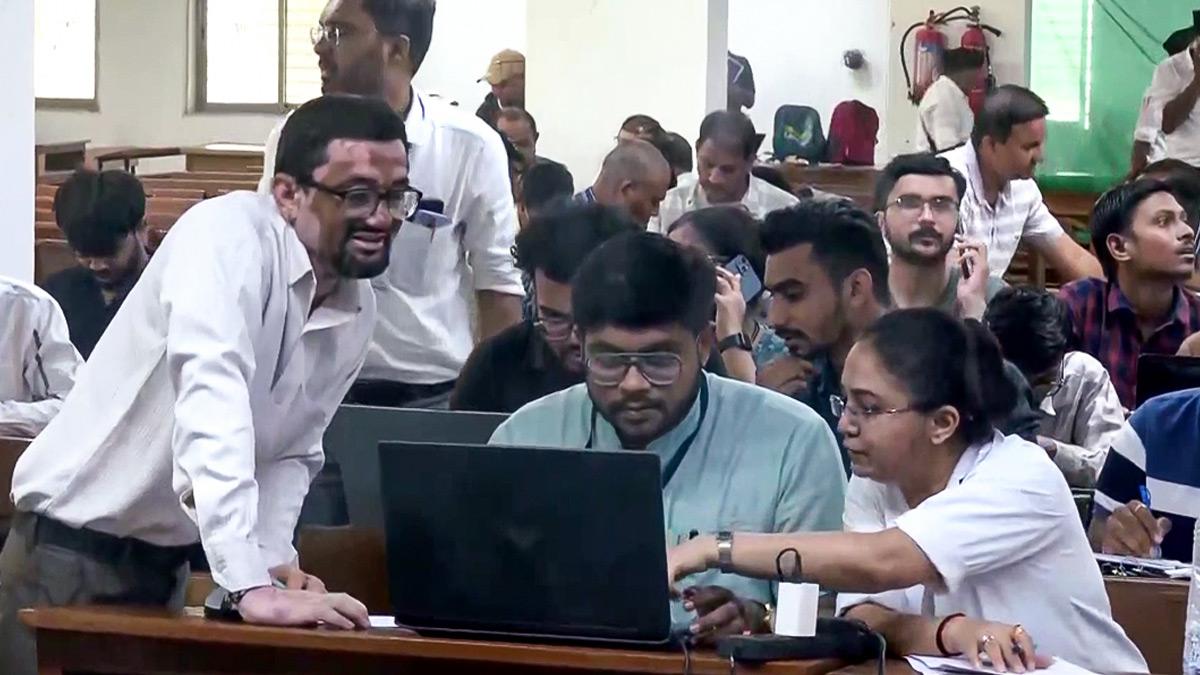
After the plane crash, identifying the victims is a complex process.
Experts use DNA from bones and teeth, since they resist heat.
Unlike an explosion, a crash creates high heat but complete burning of bodies is unlikely.
It is crucial to collect bone fragments for DNA matching, not the entire body.
The process includes sending samples for analysis and is estimated to take about a month.

Dr. Rajesh Chandrakant Dere discusses the identification challenges and methods.
Complete combustion of bodies is unlikely due to bone and enamel resistance.
Identifying fragments is sufficient; 100% body recovery isn't necessary.
DNA analysis utilizes long bones, hip bones, sternum, humerus, and teeth.
Identification is expected to take around a month, utilizing PCR tests.
- Who
- Medical professionals, forensic experts, and the victims' families.
- What
- The process and challenges of identifying victims of the AI 171 plane crash, including DNA analysis and the effects of the crash on the bodies.
- When
- The article focuses on the aftermath of the AI 171 crash.
- Where
- Ahmedabad, India, primarily at the crash site and medical facilities.
- Why
- To explain the complexities of identifying the victims of the AI 171 crash and estimate the timeframe.
Body Condition
Identification
Combustion
Body Condition
Complete combustion of bodies is unlikely.
Identification
Bodies may be completely burned.
- Event
- AI 171 Plane Crash
- Location
- Ahmedabad, India
- Identification Method
- DNA Analysis
- Key Fragments
- Long bones, hip bone, sternum, teeth
- Expert
- Dr. Rajesh Chandrakant Dere
- Timeframe
- Approximately one month