

Archive · 26 Jan 2026
Local Elections Delayed in 29 Areas
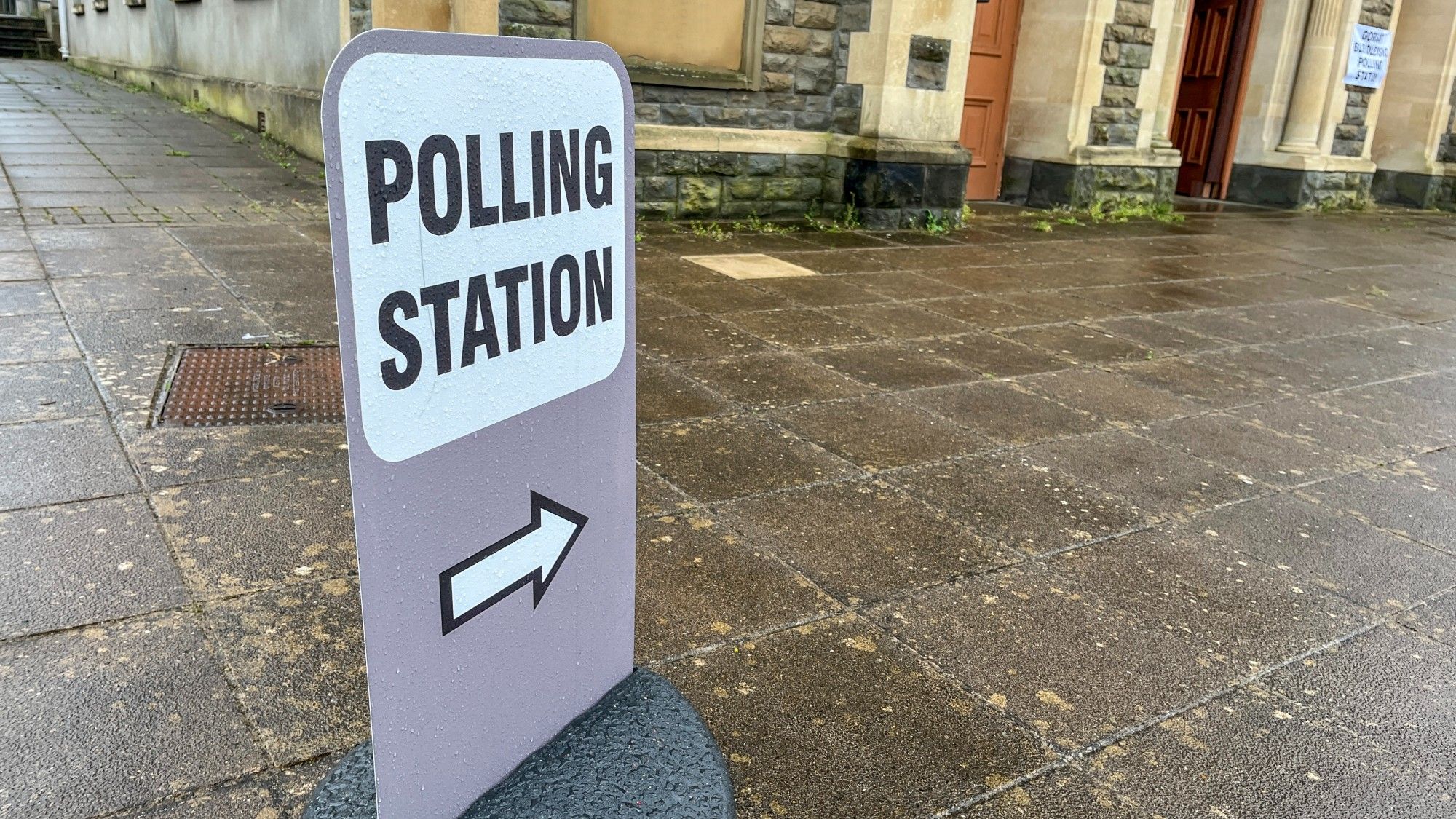
Some local council elections in England are being delayed for at least a year.
This affects about 4,000 council seats in 29 areas.
The government says this is because they are making big changes to how local councils work, and holding elections now would be complicated and costly.
However, opposition parties and groups like Reform UK are criticizing the delay, saying it stops millions of people from voting and might even be illegal.
They are threatening to take legal action.
The delay means that some councillors will serve longer than planned, up to seven years instead of four.
The affected councils are mostly led by the Conservative and Labour parties.

Local council elections in 29 areas across England will be postponed for at least a year.
The delay affects over 4,000 council seats and 650 councillors, extending their terms possibly until 2028.
The government cites a major shake-up of local government and the transition to unitary councils as the reason for the delay.
Opposition parties and Reform UK criticize the delay, calling it disenfranchising and potentially illegal.
Reform UK is threatening legal action, with a hearing scheduled for 19 February.
- Who
- Local Government Secretary Steve Reed, opposition MPs, Reform UK
- What
- Delay of local council elections in 29 areas across England
- When
- Elections due on 7 May, delayed for at least a year
- Where
- England, affecting various city, district, borough, and county councils
- Why
- Major shake-up of local government and transition to unitary councils
Government and Supporters
Opposition and Critics
Reason for Delay
Government and Supporters
The delay is necessary due to a major shake-up of local government and the transition to unitary councils, which will save costs and avoid short-term councillor terms.
Opposition and Critics
The delay is a strategic move to avoid elections, denying millions of people their democratic voice and potentially illegal.
Impact on Democracy
Government and Supporters
The delay is a practical measure to ensure smooth administrative transitions and is not intended to disenfranchise voters.
Opposition and Critics
The delay disenfranchises four million voters and is a cowardly and incompetent move by the government.
- Number of Areas Affected
- 29
- Number of Council Seats Affected
- 4000
- Number of Councillors Not Facing Election
- 650
- Political Parties Affected
- Conservative (238), Labour (206), Liberal Democrat (81), Green (39), Reform (26), Your Party (7), Independent (59)
- Reason for Delay
- Major shake-up of local government and transition to unitary councils
- Criticism
- Disenfranchisement of voters, potential illegality, and political cowardice
- Legal Action
- Reform UK threatening legal action, hearing scheduled for 19 February