

1 hr ago
Asian Games Return to Japan Amid Decades of Controversy

The Asian Games are a large sports event for countries across Asia.
They have sometimes been troubled by problems outside and inside the competitions.
In 1962, Indonesia did not let athletes from Israel and Taiwan enter the Games.
Indian athletes have also faced serious problems, including a mistaken doping identity and gender verification testing.
Some athletes and teams have protested decisions by referees or sports officials.
At the 2023 Games in Hangzhou, visa problems kept three Indian wushu athletes from competing.
Other disputes involved wrestling selections, a hurdles race and the kabaddi final.
The Games are returning to Japan, and organizers hope the sports will receive the most attention.

The Asian Games have faced political disputes, diplomatic tensions, selection rows and contested sporting decisions.
Indonesia barred athletes from Israel and Taiwan from the 1962 Jakarta Games, prompting international criticism.
Indian athletes have been affected by mistaken identity, gender verification procedures and disputed selection decisions.
At Hangzhou 2023, visa disputes, a hurdles ruling and a kabaddi final created controversy.
The Aichi-Nagoya Games will run from September 19 to October 4 with nearly 11,000 athletes.
- Who
- Asian athletes, sports officials, national delegations and governing bodies, including India, Indonesia, Israel, Taiwan, China and South Korea.
- What
- The Asian Games have repeatedly faced political disputes, diplomatic tensions, athlete eligibility issues, selection controversies and disputed officiating.
- Where
- The controversies occurred at Asian Games in Jakarta, Busan, Doha, Incheon and Hangzhou; the next Games will be held in Aichi-Nagoya, Japan.
- When
- Major incidents discussed occurred from 1962 through the 2023 Hangzhou Games; the next Games are scheduled for September 19 to October 4.
- Why
- The disputes arose from political exclusions, diplomatic disagreements, administrative mistakes, sporting regulations, selection exemptions and contested decisions.
Athletes and challengers
Officials and governing bodies
Political participation
Athletes and challengers
Critics argued that excluding Israel and Taiwan undermined the Asian Games' inclusive sporting purpose.
Officials and governing bodies
Indonesia enforced its decision to refuse entry visas, though the move drew strong criticism from sporting bodies and delegations.
Selection exemptions
Athletes and challengers
Antim Panghal and Sujeet Kalkal challenged direct entries granted to Vinesh Phogat and Bajrang Punia, seeking selection through trials.
Officials and governing bodies
The Indian Olympic Association's ad-hoc committee granted the exemptions, and the Delhi High Court declined to interfere.
Contested officiating
Athletes and challengers
Athletes and teams protested decisions in the 2014 boxing semifinal, the 2023 hurdles final and the men's kabaddi final.
Officials and governing bodies
Officials revised or upheld rulings under the applicable rules, ultimately upgrading Jyothi Yarraji's medal and confirming India's 33-29 kabaddi victory.
Key facts
- Next host
- Aichi-Nagoya, Japan
- Next Games
- September 19 to October 4
- Expected participation
- Nearly 11,000 athletes from across Asia
- 1962 controversy
- Indonesia refused entry visas to athletes from Israel and Taiwan
- 2002 incident
- Indian wrestler Satish Kumar was wrongly linked to another wrestler's doping case
- 2023 visa dispute
- Three Indian wushu athletes from Arunachal Pradesh received stapled Chinese visas and did not travel
- 2023 kabaddi result
- India defeated Iran 33-29 after a disputed raid decision and lengthy stoppage
Sources
Related news

Anush Agarwalla Says Asian Games Exclusion Followed an Unfair Process

India Approves 492-Athlete Squad for Asian Games 2026
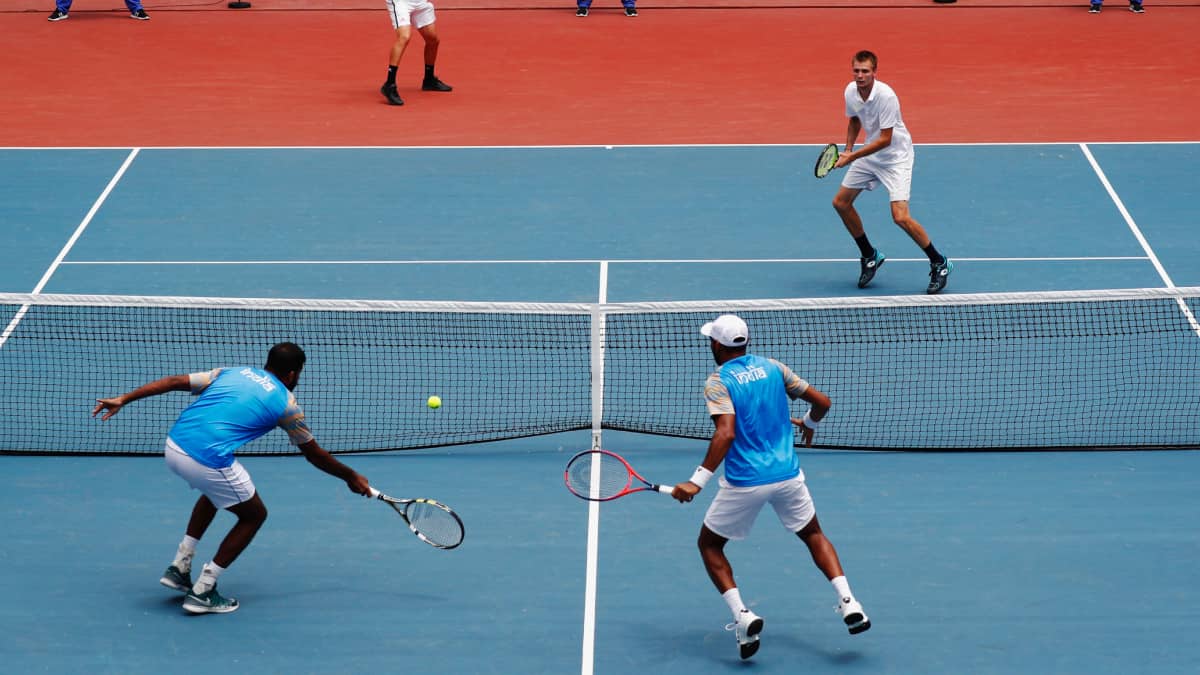
Asian Games Tennis Selection Sparks AITA-SAI Dispute

Asian Games Face Accommodation Crisis as Indian Athletes Wait
India’s Asian Games preparations face widening doping crisis
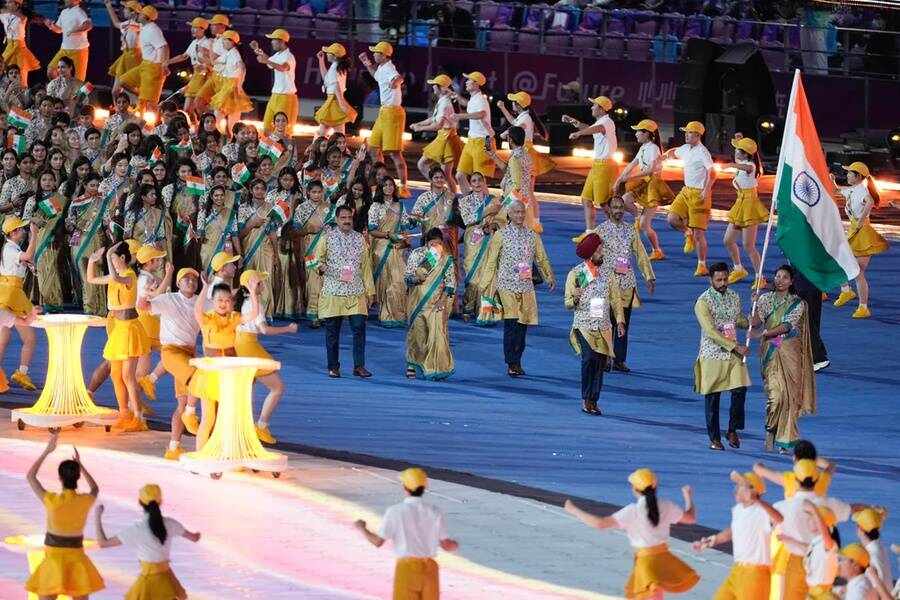
Asian Games Selection Dispute Expands From Tennis To Rowing

Padel Set for Asian Games Debut With Strong Asian Teams

Vimal Kumar Sees Strong Indian Badminton Asian Games Prospects
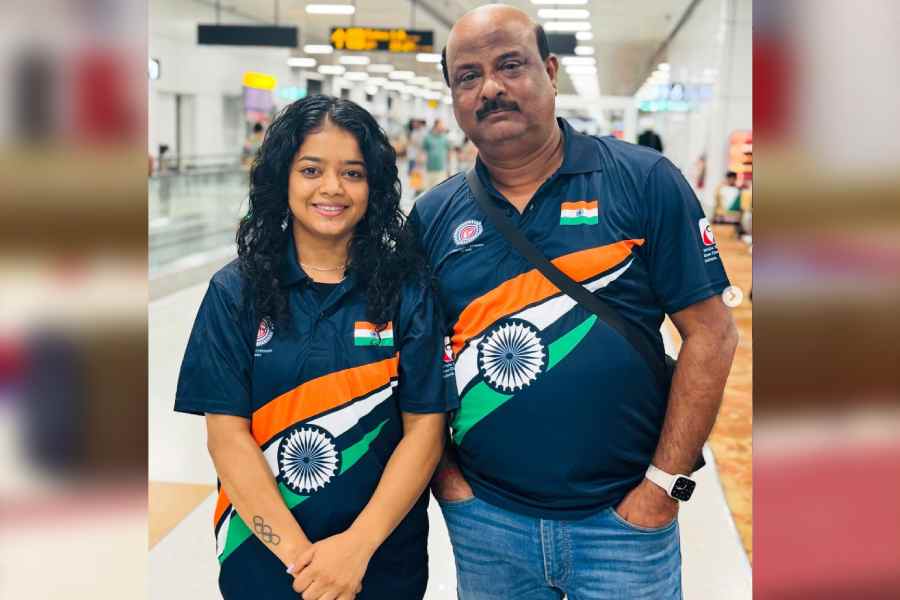
Asian Games 2026: Pranati Nayak, Coach Face Accommodation Chaos
India Thrash Japan to Reach Asian Games Women’s Cricket Semifinals
