

Archive · 6 Aug 2025
City Noise and Lights Affect Birds' Sleep, Songs: Study
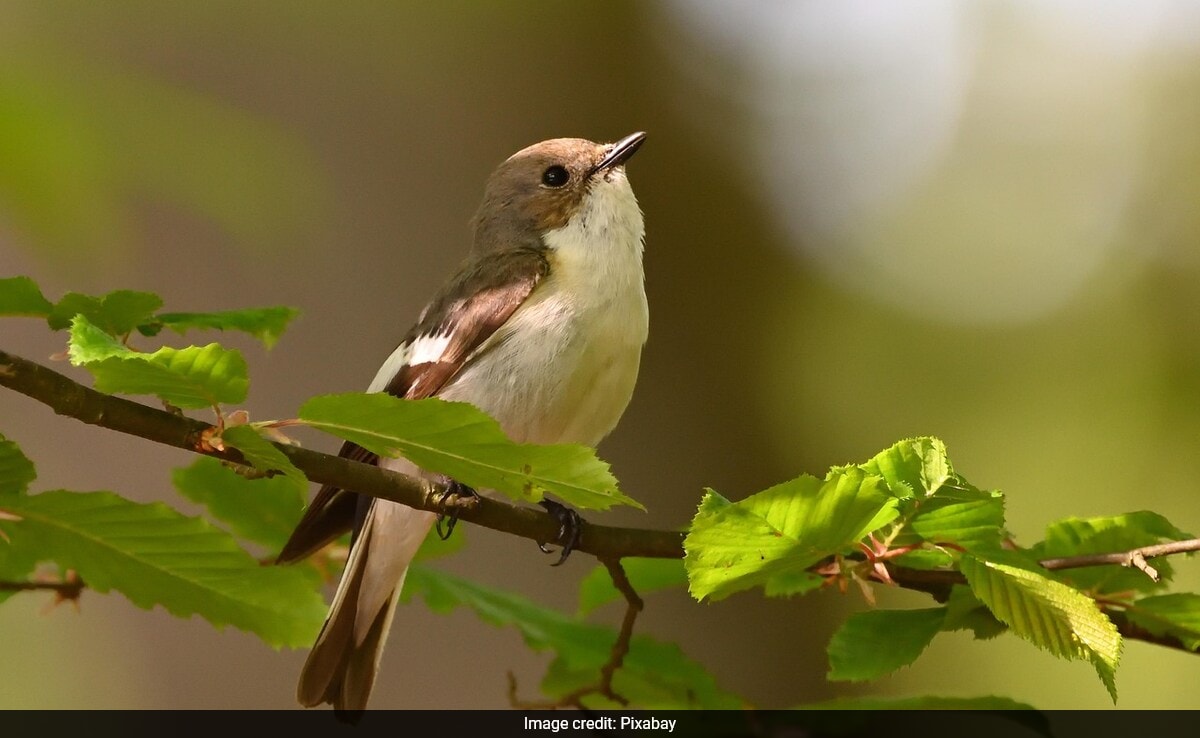
Birds, like people, need good sleep.
Scientists found that city lights and noise bother birds' sleep, making them sing less and rest more the next day.
Birds use songs to find mates and protect their homes.
When they don't sleep well, their songs change, which might cause trouble for them.
This is a problem because many birds live in cities where there's always noise and light at night.
To help, cities could make less noise, dim lights, and create safe, quiet spaces for birds to sleep.

Study shows urban noise and light disrupt birds' sleep, impacting their singing.
Birds sing to attract mates, defend territory, and communicate.
Sleep-deprived birds sing less frequently and with less complexity.
Changes in calls of sleep-deprived birds could affect their social interactions.
Reducing night disturbances, like lighting and noise, could improve birds' sleep and survival.
- Who
- Researchers studied common mynas and cited previous research on Australian magpies.
- What
- Study reveals urban noise and light disrupt birds' sleep, impacting their singing and communication.
- When
- The study's findings are relevant to ongoing urbanization.
- Where
- The impact of urbanization on bird sleep patterns is a concern.
- Why
- Sleep disturbances affect birds' ability to sing, communicate, reproduce and survive.
Solutions
Effects of the Study
Mitigation
Solutions
Reducing light and noise pollution will protect wildlife sleep patterns.
Effects of the Study
Implementing better noise and light pollution management.
- Study Focus
- Common mynas and Australian magpies
- Impact of Poor Sleep
- Fewer and less complex songs, changes in calls, increased resting
- Bird Vocalizations
- Used for attracting mates, protecting territory, and communication
- Sleep Disruption Causes
- Light pollution, noise pollution, and introduced predators
- Potential Solutions
- Reduce night disturbances, create safer roosting areas