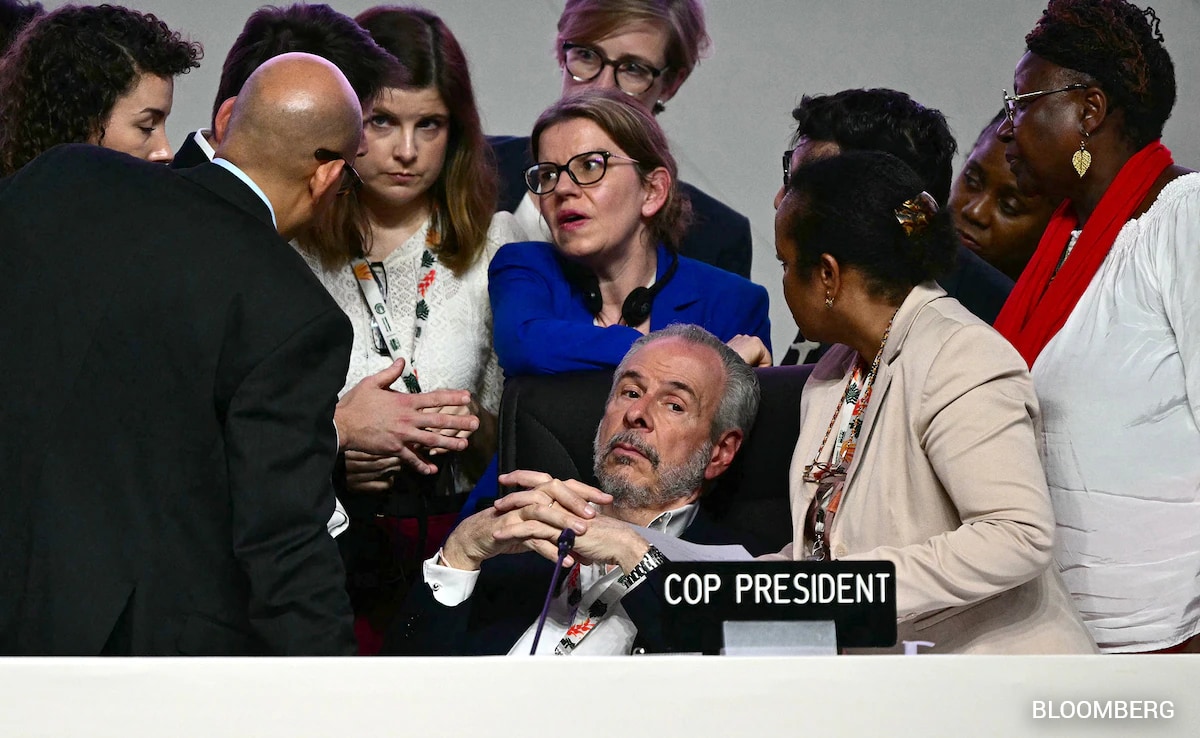
Archive · 24 Nov 2025
COP30: Climate Diplomacy Survives Amid Fossil Fuel Tensions
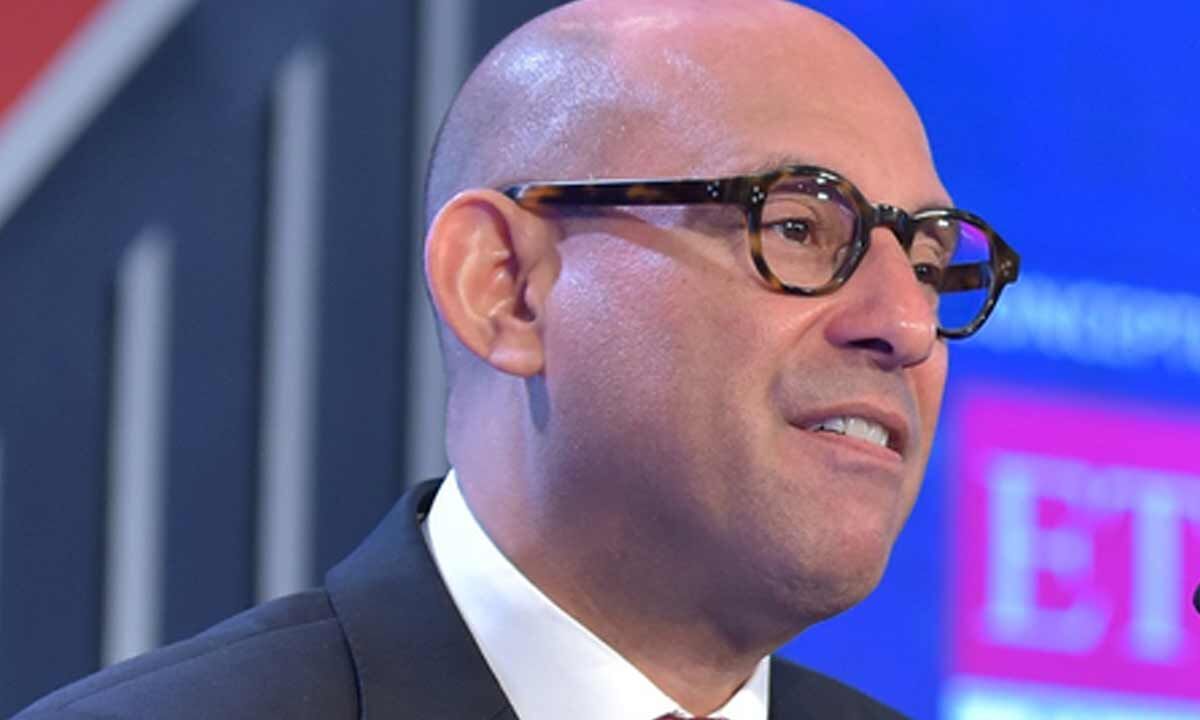
At the UN's 30th climate conference (COP30) in Brazil, world leaders and Indigenous representatives came together to discuss and agree on climate action.
Despite political challenges, they showed unity in supporting climate cooperation.
The conference focused on transitioning away from fossil fuels and implementing existing climate commitments.
Indigenous peoples, who have been historically marginalized, played a significant role this year, pushing for recognition of their land rights and fair financing.
They emphasized their unique knowledge and leadership as vital for effective climate solutions.
The conference ended with commitments to protect Indigenous lands and improve climate finance mechanisms, although the final deal was less ambitious than some had hoped.

COP30 negotiations focused on transitioning away from fossil fuels, with the EU, UK, and other nations insisting on a deal that advances the commitment made at COP28 in Dubai.
Brazil's President Lula da Silva and Environment Minister Marina Silva pushed for road maps to reverse deforestation and overcome dependence on fossil fuels, gaining momentum among ambitious countries and Indigenous representatives.
The final agreement acknowledged the Dubai fossil fuels commitment but lacked a concrete plan for transition, with a separate initiative to consider road maps for shifting away from fossil fuels and combatting deforestation over the next year.
Indigenous peoples' unique knowledge and leadership were recognized as crucial for effective climate solutions, with over 3,000 Indigenous representatives pushing for climate justice centered on land rights and fair financing.
The conference ended with commitments to protect 160 million hectares of Indigenous and community lands by 2030 and to triple finance for climate adaptation by 2035, although the final deal was less ambitious than some had hoped.
- Who
- UN Climate Change Executive Secretary Simon Stiell, over 3,000 Indigenous representatives, world leaders, and diplomats from various countries
- What
- Attended and negotiated climate action at COP30, with a focus on fossil fuel transition and climate finance
- When
- COP30 took place in Belem, Brazil, with the final document approved on November 19, 2023
- Where
- Belem, Brazil
- Why
- To discuss and agree on global climate efforts and cooperation, particularly focusing on transitioning away from fossil fuels and implementing climate commitments
- COP30 Duration
- About two weeks
- Indigenous Delegates
- Over 3,000
- Land Pledge
- 160 million hectares of Indigenous and community lands by 2030
- Funding Pledged
- A$7.6 billion for the Tropical Forests Forever Fund
- Funding Renewal
- A$2.7 billion for the Forest Tenure Funders Group
Sources
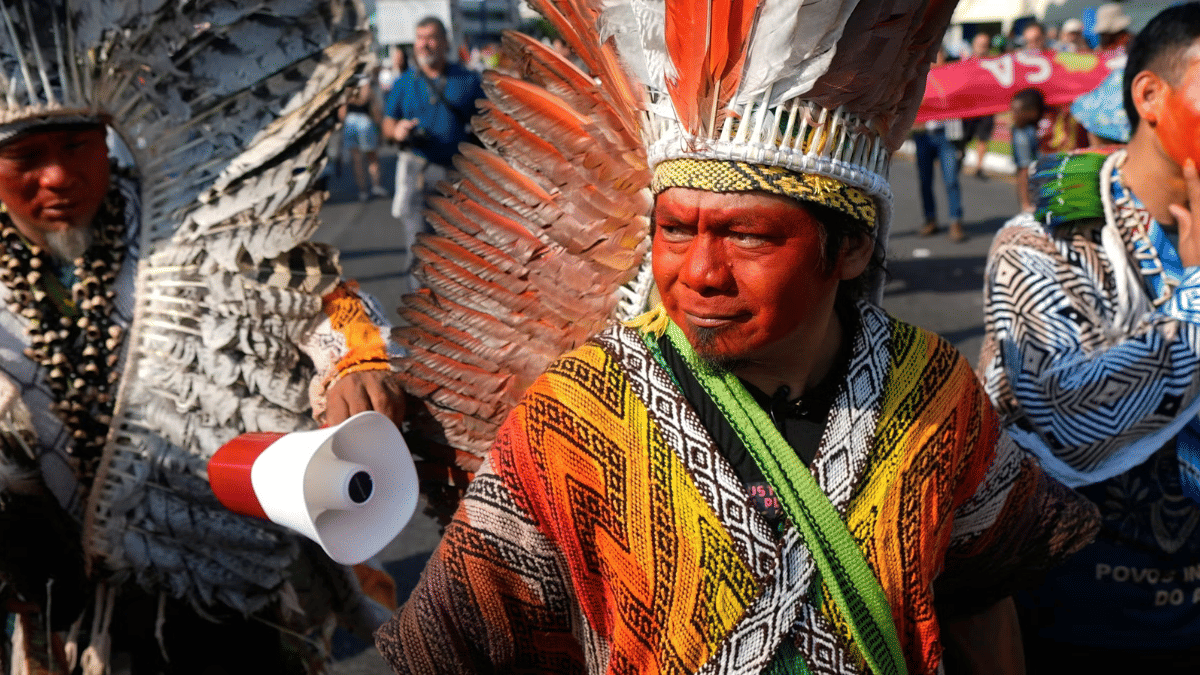
‘Our land is not for sale.’ Indigenous peoples finally have a voice at COP30
Global climate cooperation holds firm despite turbulent geopolitics: UN climate chief

India calls for equity, climate finance and justice at CoP30
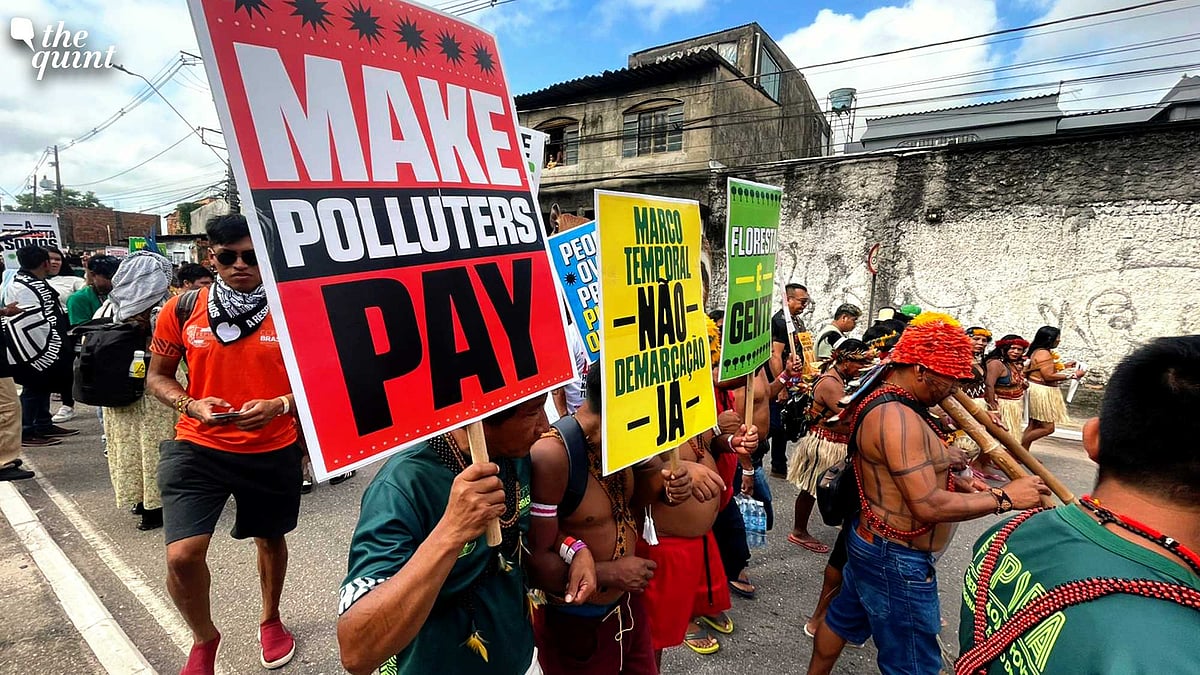
Explained: 4 Key Takeaways from COP30's Stalled 'Implementation' Agenda