Archive · 12 Aug 2025
Himalayan Region Faces Increased Climate, Geological Instability
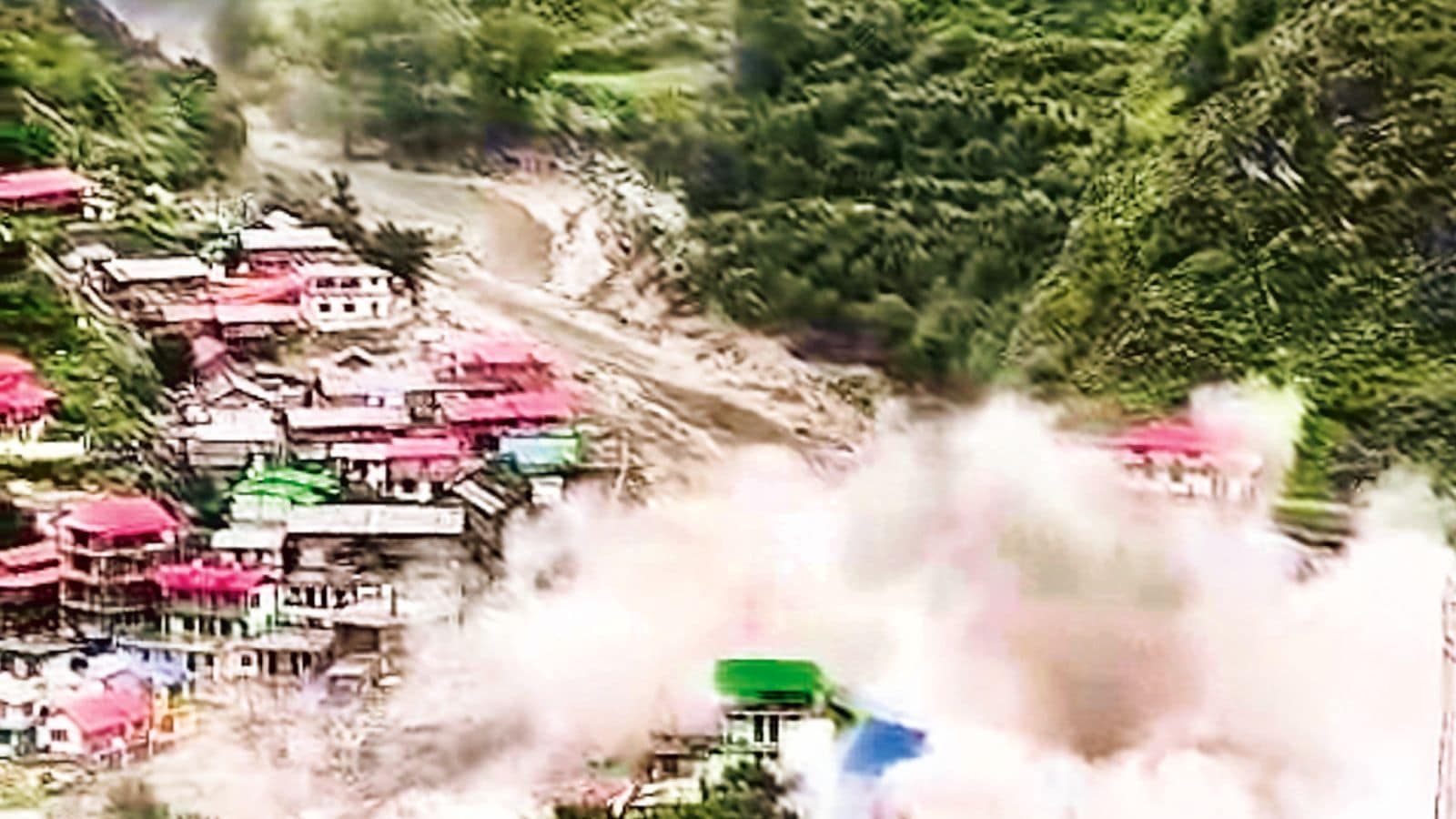
Imagine the Himalayan mountains are facing tough times due to climate change.
There are more floods, landslides, and other disasters happening.
These problems are making it harder to build roads and bridges and can even be dangerous for soldiers.
The government is now planning to help by putting money into better planning and safety measures.
This helps prepare for future problems instead of just reacting to them.
This plan is being supported worldwide to create safer places to live.

The Indian Himalayan region faces increased climate stress and geological instability.
Events like glacial lake bursts and flash floods are becoming more frequent and destructive.
Development choices and infrastructure projects have sometimes increased vulnerability.
Policy is adapting, with the 15th Finance Commission embedding climate resilience in fiscal planning.
India is promoting resilient development, including green infrastructure and disaster insurance.
- Who
- Residents, armed forces, and governments in the Himalayan region; the 15th and 16th Finance Commissions.
- What
- Increased climate stress and geological instability in the Indian Himalayan region, leading to more frequent disasters like floods and landslides.
- When
- Recent years, with an expectation of continued challenges.
- Where
- The Indian Himalayan region, including areas in Ladakh, Arunachal Pradesh, Nepal, and Bhutan.
- Why
- Due to climate change, unsustainable development, and geological factors.
- Affected Region
- Indian Himalayan Belt
- Key Hazards
- Glacial lake bursts, flash floods, landslides
- Finance Commission
- 15th (2021-26) & 16th (2026-31)
- Focus
- Climate resilience and disaster risk reduction
- Global Platform
- G-20 (Disaster Risk Resilience)