

Archive · 18 Jul 2026
India's EV Transition: Retrofitting vs. New Sales
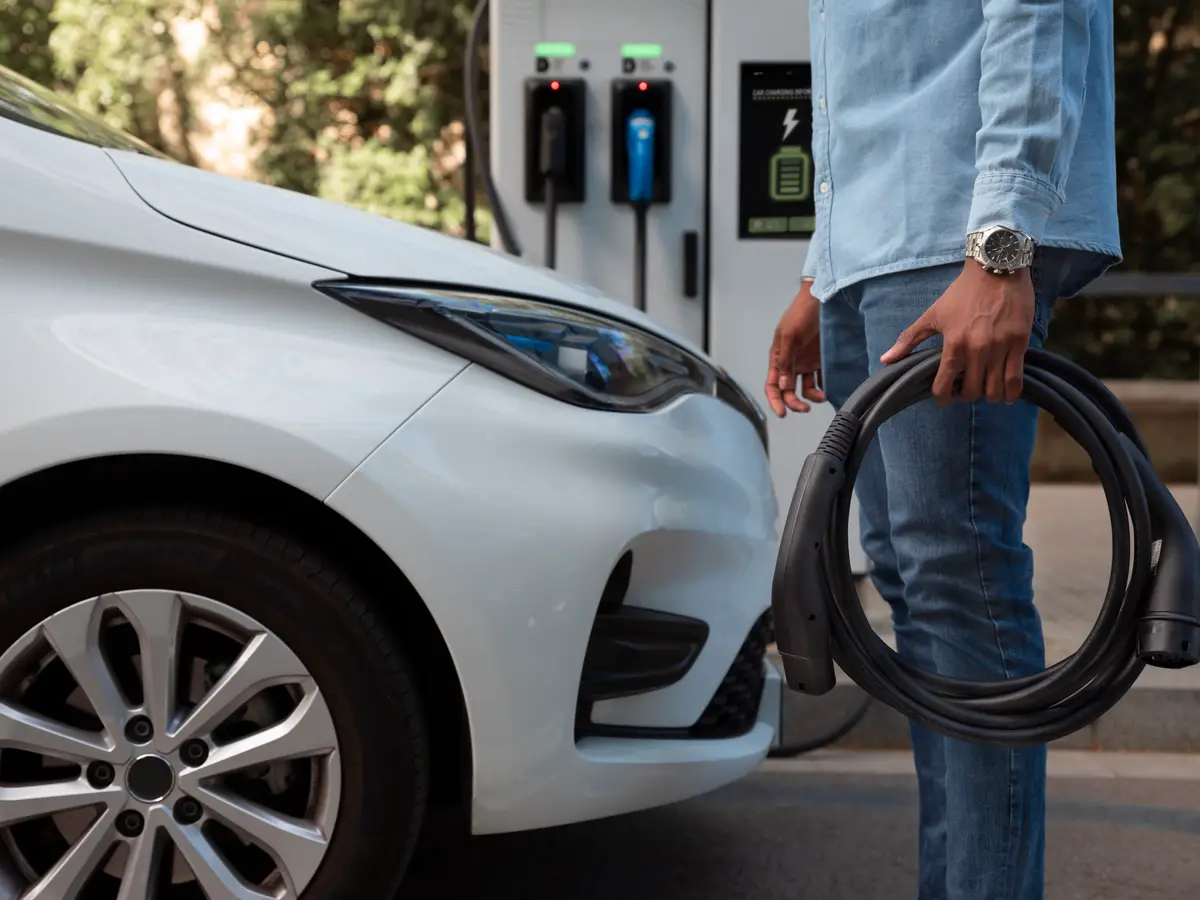
India is trying to use more Electric Vehicles (EVs) to reduce its dependence on imported oil.
Currently, 8.5% of new cars sold are EVs, but there are still over 30 crore old cars that run on oil.
One idea is to change these old cars into EVs by adding new electric parts.
This is called retrofitting.
It's a good idea because India likes to fix and reuse things instead of buying new ones.
A leader named Ayush Misra says India should focus on both new EVs and fixing old ones.
He also suggests using solar power and batteries to charge EVs, which can help save energy and make the country more self-reliant.

India aims to reduce crude oil dependency by transitioning to Electric Vehicles (EVs).
EVs account for 8.5% of total new vehicle sales in FY25-26.
Over 30 crore existing Internal Combustion Engine (ICE) vehicles run on imported petroleum.
Retrofitting involves converting ICE vehicles into EVs by replacing engines with electric components.
India's cultural emphasis on repair and reuse supports the case for retrofitting existing vehicles.
- Who
- India, Ayush Misra (Co-founder and CEO of AmpereHour Energy)
- What
- Transition from Internal Combustion Engine (ICE) vehicles to Electric Vehicles (EVs), retrofitting existing vehicles
- When
- FY25-26 (for EV sales data)
- Where
- India
- Why
- To reduce crude oil dependency, enhance energy security, and promote economic resilience
- EV Sales Share
- 8.5% of total new vehicle sales in FY25-26
- Crude Oil Import Dependency
- 85%
- Existing ICE Vehicles
- Over 30 crore
- Retrofitting Components
- Electric battery pack, motor, control systems
- Energy Storage Systems
- Battery Energy Storage Systems (BESS)
- Charging Infrastructure
- DC-coupled solar and BESS for off-grid charging
- Policy Focus
- Green energy, decarbonisation, electric mobility