

Archive · 25 Jun 2025
Vitiligo Patients Face Mental Health Crisis, Not Just Skin Condition
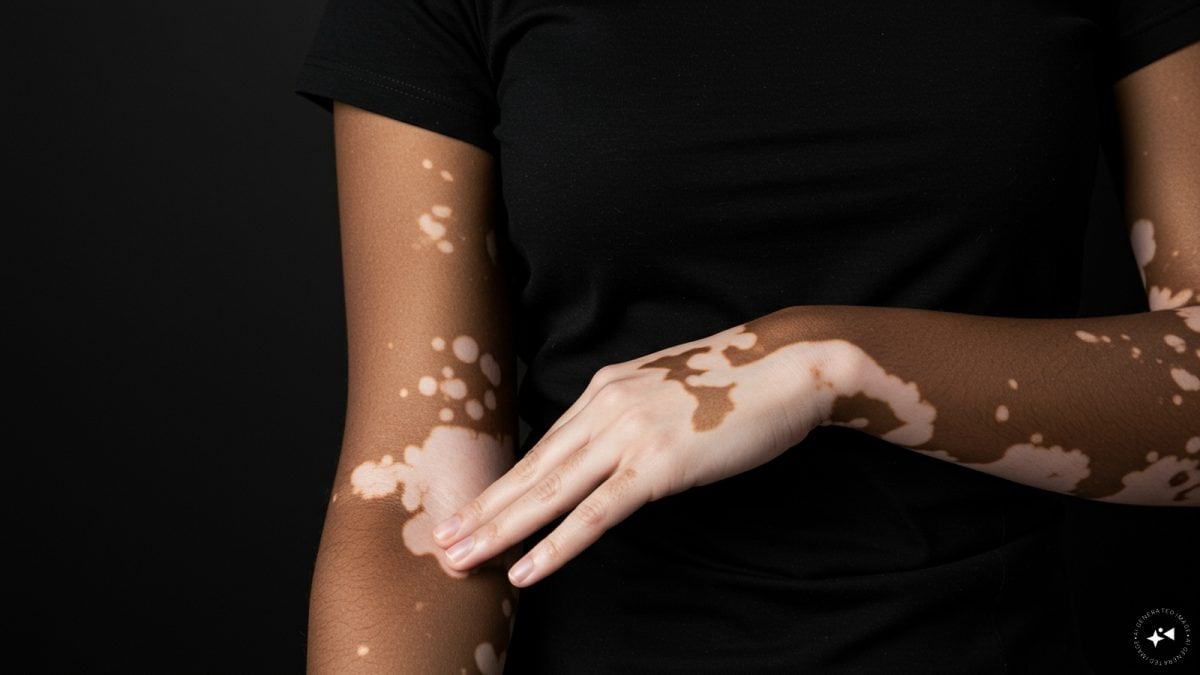
Vitiligo, a skin condition causing white patches, does more than just change how people look.
Many people with vitiligo struggle emotionally.
They may feel embarrassed or avoid social situations.
Some even have a hard time understanding their feelings.
This can affect their jobs, especially if they are in public roles.
Though there are treatments for the skin, they don't always fix the emotional issues.
Doctors now realize that those with vitiligo need help for both their skin and their mental health.
Things need to change to help those who struggle with the condition, including training, education, and support.

Vitiligo affects 70 million people worldwide, and up to 8.8% in some Indian regions.
Research indicates that vitiligo patients face significant mental health challenges, including social avoidance and alexithymia.
Public-facing careers can create workplace anxiety for those with vitiligo due to concerns about appearance.
Sexual dysfunction is a consequence of the condition, affecting one's sense of self.
Treatment improvements have been made but additional psychological support is needed for emotional healing.
- Who
- People with vitiligo, dermatologists, researchers and those working in public facing careers.
- What
- Vitiligo patients experience mental health challenges, including social withdrawal and workplace anxiety.
- When
- As of June 25, 2025, this information was available.
- Where
- Global, with a focus on India.
- Why
- The mental health crisis is rarely talked about, and a shift in care is needed beyond skin treatment.
Current Vitiligo Care
Needed Shift in Healthcare
Treatment Approach
Current Vitiligo Care
Dermatological treatment often focuses only on skin.
Needed Shift in Healthcare
Requires a broader approach to patient well-being including mental health.
- Global Vitiligo Population
- 70 million
- Vitiligo prevalence in some Indian regions
- 8.8%
- Reported alexithymia in participants
- Over half
- Improved outcomes with
- topical JAK inhibitors like ruxolitinib, combined with narrowband UVB phototherapy
- Improvement with JAK inhibitors
- 58%