

Archive · 23 Jul 2026
Robotic Orthopaedics Advances Joint Care in Eastern India
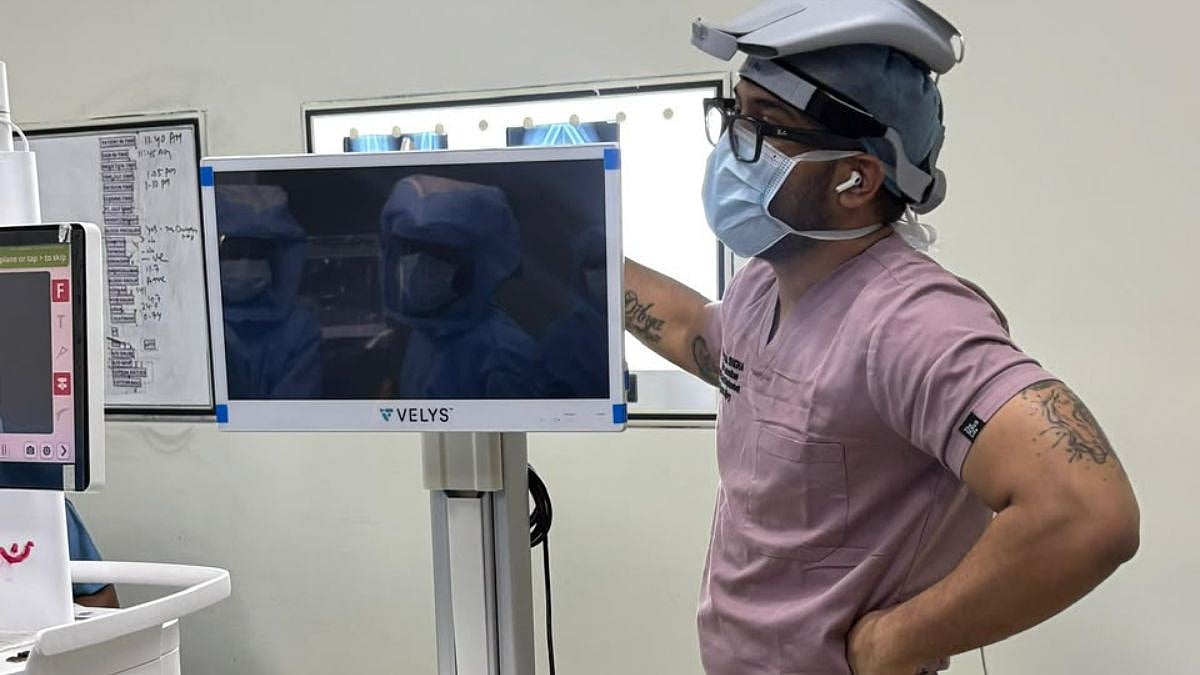
Dr. Dibya Singha is a doctor who helps people with bone and joint problems.
He uses special robots and tiny cameras to do surgeries that are very precise and help people heal faster.
This is different from the old way of doing surgeries, which can be more invasive and take longer to recover from.
Dr. Singha has learned a lot from different places around the world and teaches other doctors too.
He also helps people understand more about their health through education programs.
The use of robots in surgery is becoming more common in India, especially in places like Bhubaneswar, making it easier for people to get good care without traveling far.

Dr. Dibya Singha integrates robotic-assisted surgery and minimally invasive techniques for orthopaedic care in Bhubaneswar.
Robotic systems enhance precision in joint replacements using 3D imaging and patient-specific surgical plans.
Arthroscopy, a minimally invasive technique, is preferred for diagnosing and treating sports-related injuries.
Dr. Singha has completed advanced fellowships in Germany, France, Spain, Delhi, and Kolkata.
The 6th Annual Conference of the Odisha Arthroscopy Society focused on modern surgical techniques and treatments.
- Who
- Dr. Dibya Singha, a senior consultant in orthopaedics and robotic joint replacement
- What
- Integration of robotic-assisted surgery and minimally invasive techniques in orthopaedic care
- When
- Ongoing advancements in the past decade
- Where
- Eastern India, particularly in Bhubaneswar at Utkal Hospital
- Why
- To improve surgical planning, accuracy, and patient recovery
Traditional Orthopaedic Surgery
Robotic-Assisted Orthopaedic Surgery
Precision and Accuracy
Traditional Orthopaedic Surgery
Traditional surgery relies on the surgeon's skill and experience for precision.
Robotic-Assisted Orthopaedic Surgery
Robotic systems enhance precision with patient-specific surgical plans and 3D imaging.
Recovery Time
Traditional Orthopaedic Surgery
Traditional methods may result in longer recovery times due to more invasive procedures.
Robotic-Assisted Orthopaedic Surgery
Robotic and minimally invasive techniques aim to reduce recovery time and tissue damage.
Cost and Accessibility
Traditional Orthopaedic Surgery
Traditional surgery is generally more accessible and cost-effective.
Robotic-Assisted Orthopaedic Surgery
Robotic surgery involves higher initial costs but may offer long-term benefits in patient outcomes.
- Dr. Dibya Singha
- Senior Consultant in Orthopaedics, Robotic Joint Replacement, Arthroscopy, and Sports Medicine at Utkal Hospital
- Robotic-Assisted Surgery
- Uses 3D imaging for precise bone preparation and implant placement
- Arthroscopy
- Minimally invasive technique using small cameras and instruments
- OrthoOne Orthopaedics
- Specialized care for bones, joints, ligaments, muscles, and spine
- Advanced Fellowships
- Completed in Germany, France, Spain, Delhi, and Kolkata
- 6th Annual Conference of the Odisha Arthroscopy Society
- Hosted at Utkal Hospital, focusing on arthroscopy, ligament reconstruction, and robotic surgery