Archive · 17 Nov 2025
Trump Administration Proposes Tightening Green Card Rules for Travelers from Banned Countries
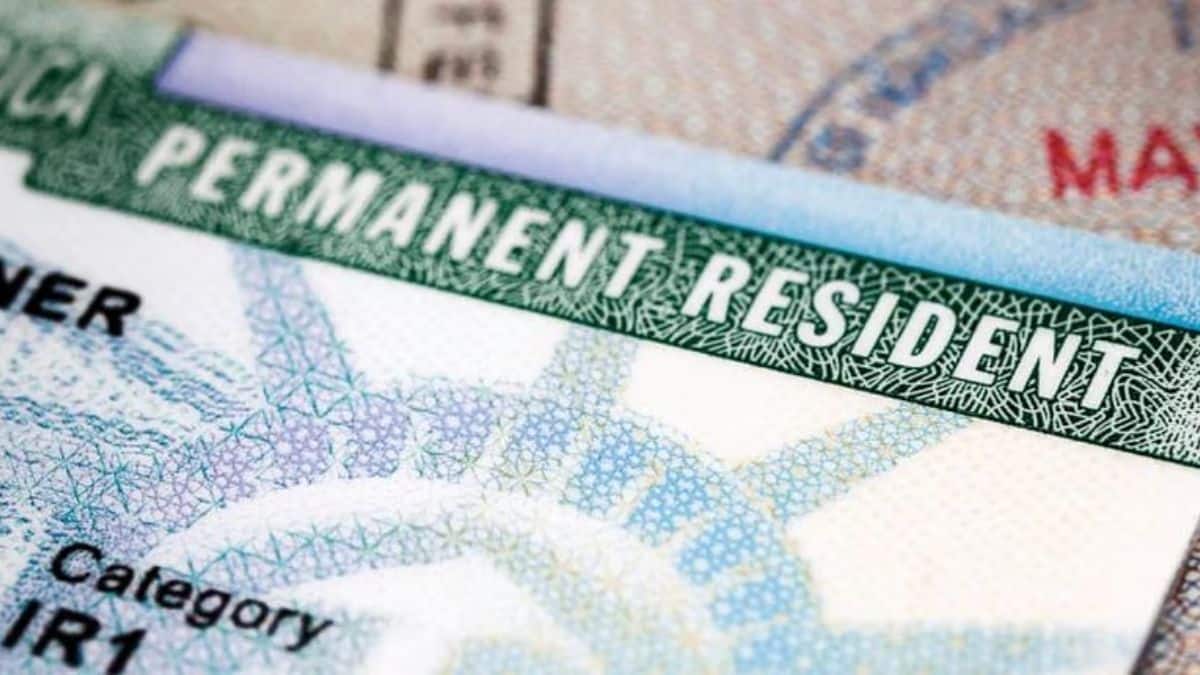
The U.S. government is thinking about making it much harder for people from 12 countries to get a green card, which allows them to live permanently in America.
These countries are already on a travel ban list.
The government says these countries don't provide good enough proof of who people are or don't share important security information.
So, even if you are from one of these countries, it could be a big problem for your green card application.
It’s like saying, 'Because you're from this country, it's a strike against you.'
This rule could affect people applying for green cards, asylum, or other special permissions.
Some people, like athletes for big sports events or certain helpers from Afghanistan, will still be allowed.
Critics worry this is unfair and could block people who have already been living in the U.S. for a long time from getting permanent residency.

The Trump administration is reportedly planning to make it harder for citizens of 12 'travel ban' countries to obtain green cards.
The proposed policy would consider country-specific factors from the travel ban as a significant negative factor in Green Card applications.
This change is driven by concerns over inadequate identity verification and security data sharing from these nations.
The policy would apply to green cards, asylum, parole, and other discretionary benefits, with exemptions for existing visa/green card holders and specific groups.
Critics argue the move is an unfair escalation of immigration restrictions and could lead to de facto bans based on nationality.
- Who
- The Trump administration and US Citizenship and Immigration Services (USCIS)
- What
- Planning to treat citizens of countries on the travel ban list as a 'significant negative factor' when deciding Green Card, asylum, parole, and other discretionary benefit applications.
- When
- The draft policy documents have been revealed; enactment details are not specified.
- Where
- The policy targets citizens from 12 countries on the U.S. travel ban list, primarily in Africa and West Asia.
- Why
- Due to concerns about inadequate identity verification and security data sharing from these nations, hindering proper vetting.
Trump Administration Rationale
Criticism and Concerns
Reason for Restrictions
Trump Administration Rationale
The administration argues that stricter vetting is necessary due to concerns about identity verification and the sharing of security data from certain countries. They cite the 'extreme dangers posed to our country by the entry of foreign nationals who are not properly vetted' following events like the Boulder attack.
Criticism and Concerns
Critics, including former Biden administration officials, view this as a radical policy shift that unfairly targets individuals based on their nationality rather than their individual merits. They argue it punishes people for issues with their home governments that are beyond their control and escalates attacks on legal immigration.
Policy Impact on Immigrants
Trump Administration Rationale
The proposal would allow USCIS to consider country-specific factors from the travel ban as a 'significant negative factor' in Green Card applications, potentially blocking access to permanent residency for citizens of the 12 targeted nations.
Criticism and Concerns
Experts fear this could lead to a de facto ban for individuals from these countries, increase denials, and overturn the settled expectations of people already in the U.S. The policy raises concerns about fairness, due process, and the legitimacy of predetermined denials based on country of origin.
- Targeted Countries (Full Ban)
- Afghanistan, Myanmar, Chad, Republic of Congo, Equatorial Guinea, Eritrea, Haiti, Iran, Libya, Somalia, Sudan, Yemen
- Countries with Partial Restrictions
- Burundi, Cuba, Laos, Sierra Leone, Togo, Turkmenistan, Venezuela
- Policy Change
- Treat country-specific factors from the travel ban as a 'significant negative factor' in Green Card, asylum, parole, and other discretionary benefit applications.
- Exemptions
- Current visa holders, green card holders, athletes for major international events (2026 World Cup, 2028 Olympics), certain Afghan nationals with SIVs, specific religious/ethnic minorities in Iran, and case-by-case waivers for national interest.
- Rationale Provided
- Concerns over insufficient identity verification and lack of security data sharing from certain countries, limiting the ability to determine eligibility.