

Archive · 7 Dec 2025
Moong and Masoor Dals Easiest to Digest
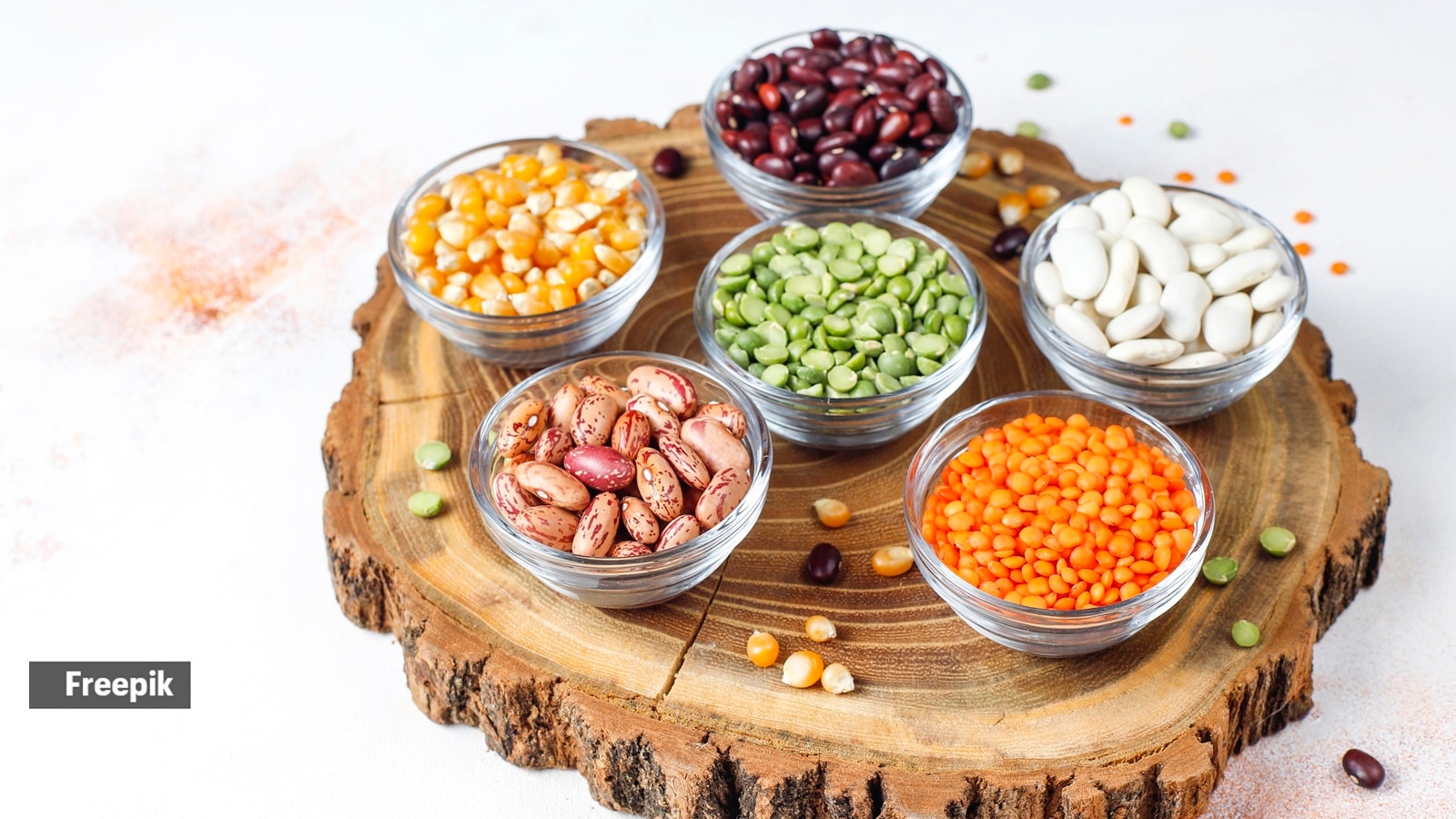
Some dals are easier to digest than others.
Moong dal and masoor dal are the gentlest on the stomach because they have fewer things that can upset your tummy.
They are often given to children, the elderly, and people who are sick.
Other dals like chana, toor, and urad are heavier and can cause bloating.
To make dals easier to digest, you should soak and sprout them before cooking, mix them with grains or millets, and eat different types of pulses in different ways.
This helps your body get all the good stuff from the dals without feeling uncomfortable.

Moong dal and masoor dal are the easiest to digest due to lower antinutritional factors and better starch digestibility.
Chana, toor, and urad are heavier and can cause bloating due to more resistant starch and gas-forming oligosaccharides.
Processing methods like soaking, sprouting, and cooking improve the digestibility of dals.
Mixing pulses with grains or millets in the right ratio enhances their nutritional value.
Eating a variety of pulses in different forms ensures a healthy gut and optimal nutrient intake.
- Who
- Clinical dietitian and diabetes educator Malvika Fulwani
- What
- Moong dal and masoor dal are the easiest to digest, while chana, toor, and urad are heavier and can cause bloating
- When
- Not specified
- Where
- Not specified
- Why
- Due to lower antinutritional factors, better starch digestibility, and fewer gas-forming oligosaccharides
- Easiest Dals to Digest
- Moong dal, Masoor dal
- Heavier Dals
- Chana, Toor, Urad
- Antinutritional Factors
- Phytic acid, lectins, protease inhibitors, tannins
- Processing Methods
- Soaking, germination, cooking, autoclaving
- Starch Structure
- Amylose vs amylopectin ratio, crystallinity, granule structure
- Digestibility Improvement Rules
- Soak and sprout before cooking, use right ratio of pulses and grains, have at least 5 types of pulses/legumes every week and in 5 different forms every month