

Archive · 24 Jul 2026
Delhi Protests That Shaped India
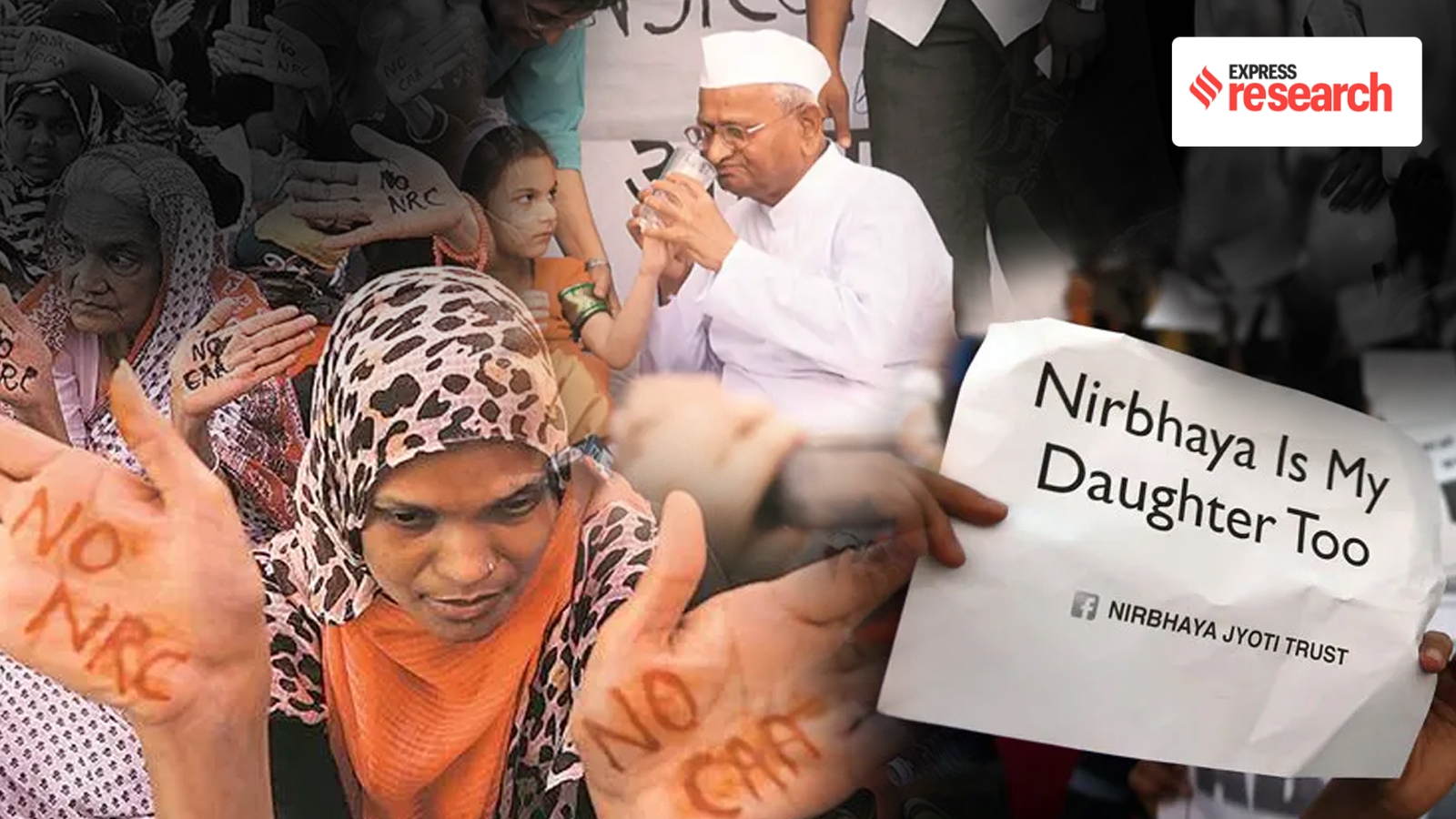
Delhi has been the center of many big protests in India's history.
These protests have been about different things like fighting corruption, making sure everyone is treated fairly, keeping women safe, and helping farmers.
Some of these protests have led to big changes in laws and policies.
For example, the Nirbhaya protests made laws stricter for people who commit crimes against women.
The farmers' protests made the government take back new farm laws.
These protests show how people can come together to make their voices heard and bring about change.

Delhi has been the center of many major protests in India's history.
Protests have addressed issues like corruption, social justice, women's safety, and agricultural reforms.
The JP Movement in 1974–75 led to the first non-Congress government in India.
The Mandal Commission protests in 1990 reshaped India's political landscape by cementing caste-based affirmative action.
The Nirbhaya protests in 2012–13 led to significant legal reforms for women's safety.
The farmers' protests in 2020-21 resulted in the repeal of three controversial farm laws.
- Who
- Various groups including students, farmers, women's groups, and civil society organizations.
- What
- Protests and movements demanding justice, equality, and policy changes.
- When
- From 1974 to 2021, with significant events in 1974–75, 1990, 2011, 2012–13, 2019, and 2020-21.
- Where
- Delhi, with impacts extending across India.
- Why
- To address issues such as corruption, social justice, women's safety, citizenship rights, and agricultural reforms.
Protesters
Government
Farmers' Protests (2020-21)
Protesters
Farmers opposed the three farm laws, fearing they would undermine the MSP system and increase corporate control over agriculture.
Government
The government argued the reforms would expand market access and attract private investment.
Mandal Commission Protests (1990)
Protesters
Protesters, particularly upper-caste youth, argued that reservations undermined merit and reduced employment opportunities.
Government
The government aimed to implement the Mandal Commission's recommendations to improve representation of OBCs in public employment.
- JP Movement
- 1974–75, led by Jayaprakash Narayan, focused on corruption, inflation, unemployment, and administrative misrule.
- Mandal Commission Protests
- 1990, triggered by the implementation of 27% reservation for OBCs in central government jobs.
- Anna Hazare's Anti-Corruption Movement
- 2011, demanded a stronger Jan Lokpal Bill and an independent anti-corruption ombudsman.
- Nirbhaya Protests
- 2012–13, sparked by the gang rape and assault of a 23-year-old physiotherapy intern in Delhi.
- Anti-CAA Protests
- 2019, opposed the Citizenship Amendment Act for excluding Muslims from eligibility for fast-tracked citizenship.
- Farmers' Protests
- 2020-21, opposed three farm laws aimed at liberalising agricultural marketing.