

Archive · 19 May 2025
How Species are Named: From Celebrities to Moon Missions
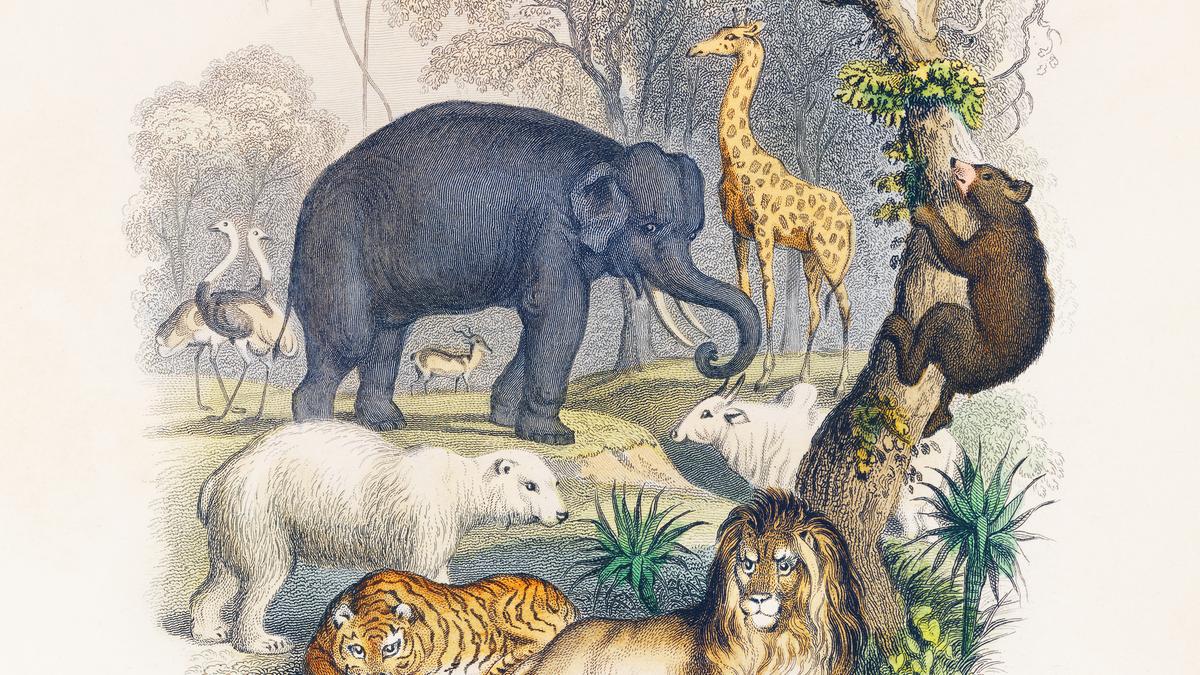
Naming a new species is like giving it a unique name tag.
Scientists who find new plants and animals get to do this!
They use a two-part name, like your first and last name.
Sometimes, they choose names based on how the animal or plant looks, or they might honor famous people, characters from books, or even special events.
This helps scientists around the world understand and talk about different species.
There are rules for these names, and they can sometimes be fun or even a little silly.

New species are named by scientists who discover them.
Names are often inspired by characteristics, celebrities, fictional characters, or events.
Binomial nomenclature, using genus and species, is the standard system.
The International Commission on Zoological Nomenclature and International Association of Plant Taxonomy regulate naming.
Indigenous communities offer valuable knowledge in species identification.
- Who
- Scientists, taxonomists, and researchers who discover and classify new species.
- What
- The process of naming newly discovered species of plants and animals.
- When
- The practice dates back to the 1750s with the Linnaean system and continues today.
- Where
- Naming occurs globally, wherever new species are found.
- Why
- To classify and document species, and sometimes to draw attention to discoveries or honor individuals/events.
Arguments for Naming Species After Celebrities
Arguments Against
Potential Issues
Arguments for Naming Species After Celebrities
Names after celebrities can draw public attention to the species.
Arguments Against
Some names are considered problematic, particularly those that are offensive or associated with controversial figures.
- Founder of Modern Taxonomy
- Carolus Linnaeus
- Naming System
- Binomial Nomenclature
- Two-part Name Components
- Genus and Species
- Regulates Animal Naming
- ICZN
- Regulates Plant Naming
- IAPT