3 hrs ago
Global Panel Urges Structured Smoking Cessation in Diabetes Care
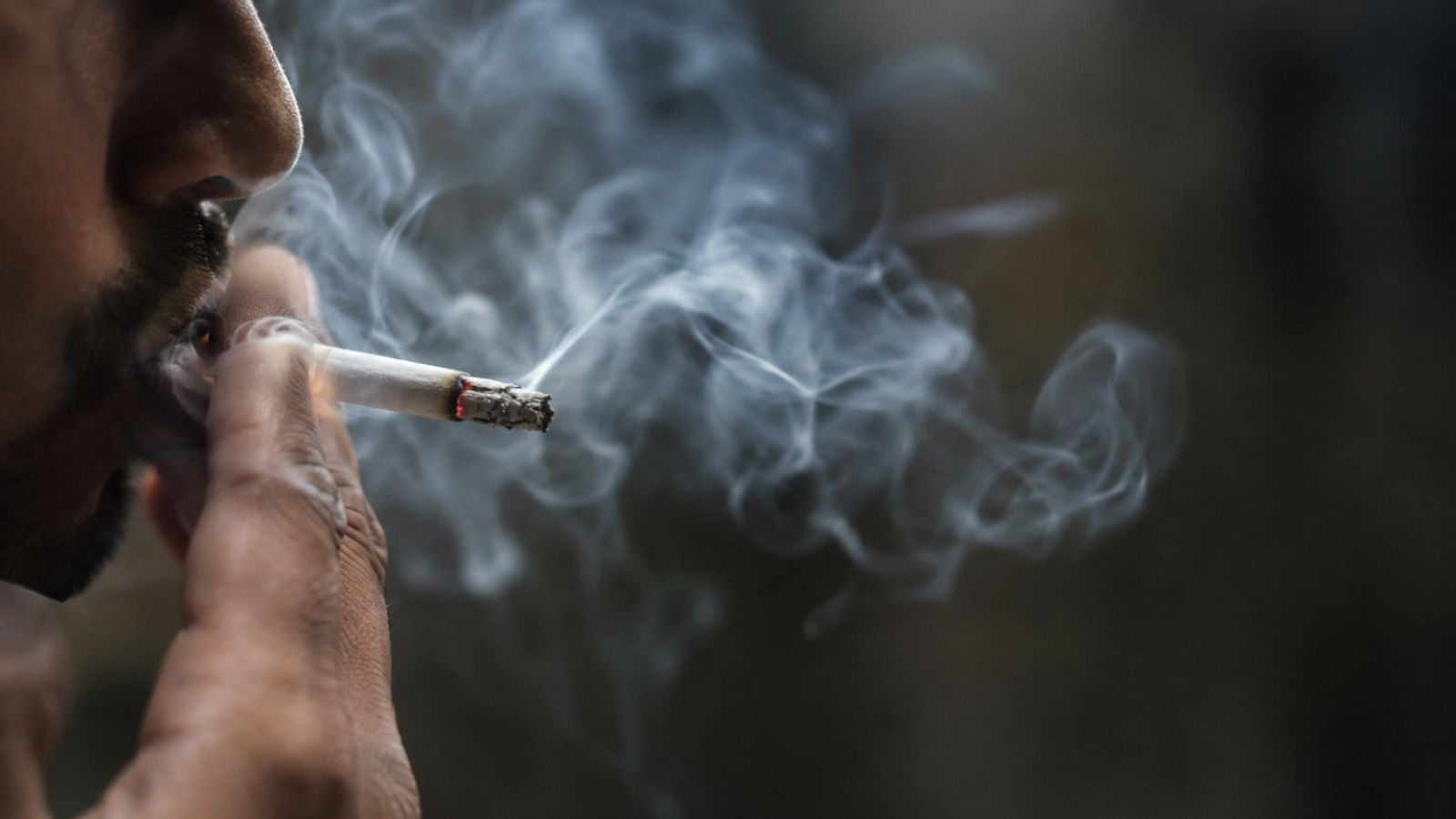
Smoking can be especially dangerous for people with type 2 diabetes.
It can make heart disease, strokes and other blood-vessel problems more likely.
An international group says quitting should be treated as part of regular diabetes treatment.
Doctors should not only tell people to quit, but also offer counseling, medicines and follow-up help.
Varenicline is the preferred medicine when it is suitable and available.
Nicotine replacement therapy and bupropion may also help.
Some people may gain weight or have temporary blood-sugar changes after quitting, so doctors should monitor them.
Stopping smoking can also change how some medicines work in the body.
New diabetes medicines are being studied, but there is not enough evidence to use them routinely for quitting smoking.

International consensus recommendations call smoking cessation an essential part of type 2 diabetes care.
Continued smoking raises risks of cardiovascular disease, stroke, vascular damage and premature death in people with diabetes.
The recommendations favor individualized treatment combining behavioral support, medication and relapse-prevention planning.
Varenicline receives the strongest first-line recommendation, while nicotine replacement therapy and bupropion are alternatives.
Patients should be followed within two and four weeks after quitting to monitor glucose, weight, blood pressure and medication effects.
- Who
- The DiaSmokeFree Working Group, clinicians and people with type 2 diabetes who smoke.
- What
- The group developed international recommendations for integrating structured smoking-cessation treatment into diabetes care.
- Where
- The recommendations are intended to apply internationally, including in India and other low- and middle-income countries.
- When
- The recommendations call for monitoring especially during the first weeks after quitting, with follow-up at two and four weeks.
- Why
- Smoking increases health risks associated with diabetes, while quitting can reduce broader cardiovascular and vascular risks.
Key facts
- India tobacco use
- The article cites 2016–17 survey figures showing 10.38% smoking-tobacco use, 21.38% smokeless-tobacco use and 28.6% total tobacco use among adults.
- Preferred medication
- Varenicline is identified as the only medication with a strong first-line recommendation when accessible and appropriate.
- Alternative treatments
- Nicotine replacement therapy and bupropion are considered reasonable alternatives when varenicline is unavailable or contraindicated.
- Follow-up schedule
- The recommendations suggest follow-up within two weeks and again at four weeks after cessation.
- Monitoring
- Early follow-up should address blood sugar, weight, blood pressure, treatment-related adverse effects and possible drug-smoking interactions.
- Newer diabetes drugs
- Early studies of exenatide and dulaglutide have produced inconsistent findings, so these drugs are not established smoking-cessation treatments.
- Implementation challenge
- Low- and middle-income countries may face limited access to medicines, trained personnel and structured behavioral programs.
Quotes
Dr Anoop Misra
Co-author of the consensus recommendations and Executive Chairman of Fortis C-Doc for Diabetes and Allied Sciences
“The new recommendations move beyond simply saying ‘quit’ to a structured approach combining counselling, medication and relapse prevention.”
 indianexpress.com
“India faces a dual burden of tobacco use in the form of smoking and smokeless tobacco, among the highest in the world.”
indianexpress.com
Sources
Related news

Diabetes Care Evolving Beyond Sugar Levels to Protect Hearts, Kidneys

Why Quitting Smoking Takes More Than Simple Willpower

Tobacco and diabetes increase amputation risk, surgeon warns
Study Finds Type 2 Diabetes Differs in Lean, Overweight Patients
Study finds diabetes complications differ between men and women