

Archive · 21 Jan 2026
Supreme Court Denies Tiger Global Tax Relief
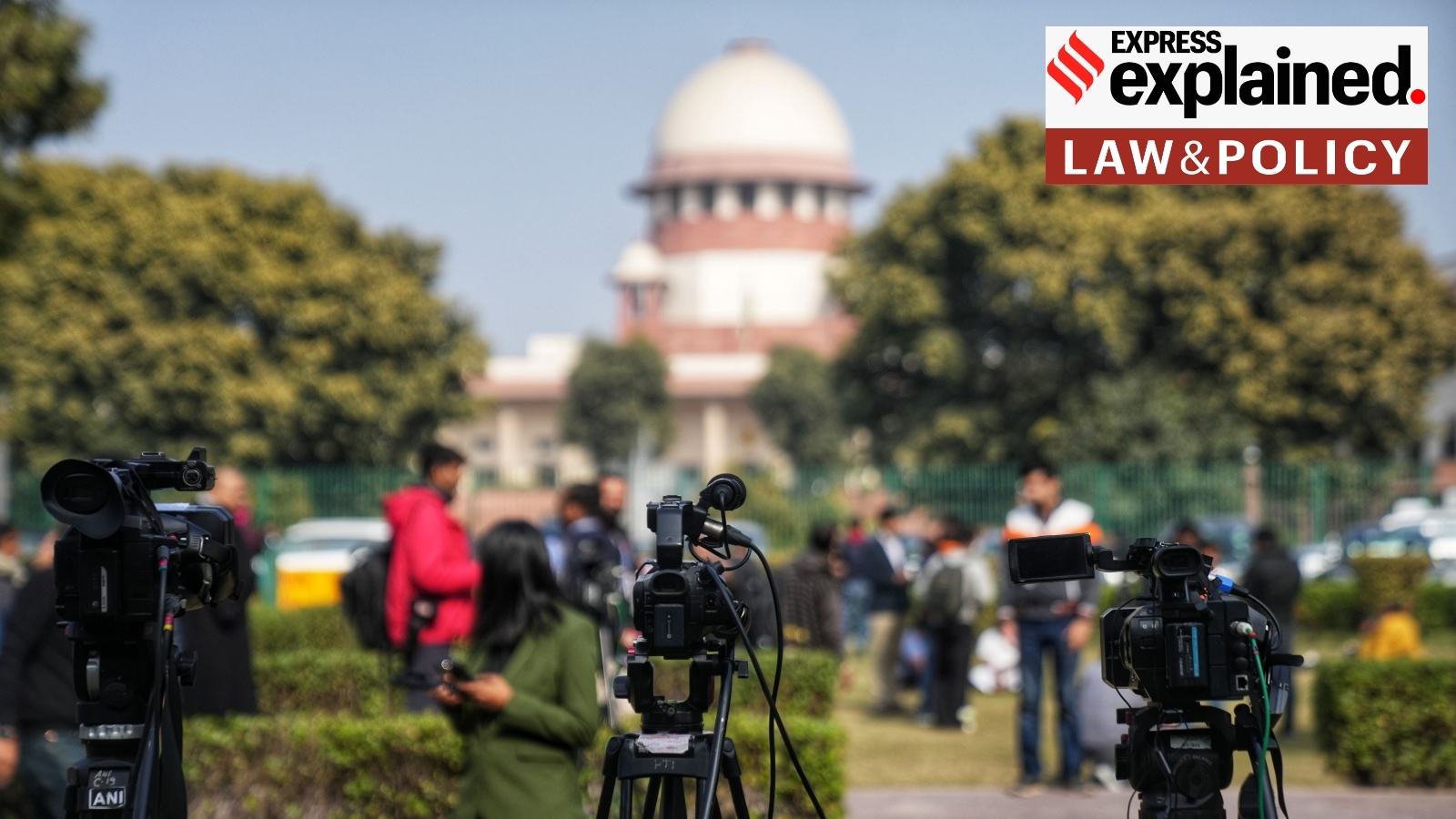
The Supreme Court recently made a big decision about taxes.
A company called Tiger Global sold its part of another company called Flipkart.
Tiger Global tried to avoid paying taxes in India by using companies in Mauritius, which has a special tax agreement with India.
The Indian tax authorities said this was not fair because the Mauritius companies didn't really do any business there.
The Supreme Court agreed with the tax authorities and said Tiger Global has to pay the taxes.
The court explained that just having the right papers isn't enough if the companies aren't really doing business.
This decision is important because it shows that India can stop companies from avoiding taxes using complicated setups in other countries.
The court also said that the rules about tax avoidance apply to when the sale happens, not when the investment was made.
This could affect other investments made before the rules changed.
The government now needs to make clear rules so that investors know what is allowed and what is not.

Supreme Court denied tax relief to Tiger Global on capital gains from Flipkart stake sale.
Court held that investment structure lacked commercial substance and was designed for tax avoidance.
Mauritius entities were found to be 'see-through entities' with no real business activity.
Tax Residency Certificate is not conclusive proof of residency and can be scrutinized.
GAAR applies to arrangements, not just investments, and can be invoked even if the investment predates its introduction.
- Who
- Tiger Global, Indian Tax Authorities, Supreme Court
- What
- Supreme Court denied tax relief to Tiger Global on capital gains from Flipkart stake sale
- When
- January 15, 2024
- Where
- India
- Why
- Court found that the investment structure lacked commercial substance and was designed for tax avoidance
- Parties Involved
- Tiger Global, Indian Tax Authorities, Delhi High Court, Supreme Court
- Case Background
- Tiger Global's 2018 sale of Flipkart stake via Mauritius entities
- Key Legal Points
- India-Mauritius treaty, GAAR, Tax Residency Certificate
- Court's Decision
- Denied tax relief, upheld tax authorities' stance
- Commercial Substance
- Mauritius entities lacked real business activity
- Tax Planning vs. Avoidance
- Court distinguished between legitimate tax planning and avoidance
- GAAR Application
- Applies to arrangements, not just investments
- Tax Sovereignty
- State retains power to tax income connected to its territory
- Investment Impact
- ₹20,000 crore in similar structures could face scrutiny
- New Treaty Protocol
- India-Mauritius protocol signed in March 2024, pending ratification
Sources
Tiger Global case: How Supreme Court drew a line between treaty benefits and tax dues

SC's Tiger Global ruling unlikely to spook FPIs

Company Outsider: SC’s Tiger Global verdict tests certainty of India's FDI tax treaties

Letters to Editor
