

Archive · 25 Jul 2026
Antibiotic Adjuvants Extend Lifespan of Antibiotics
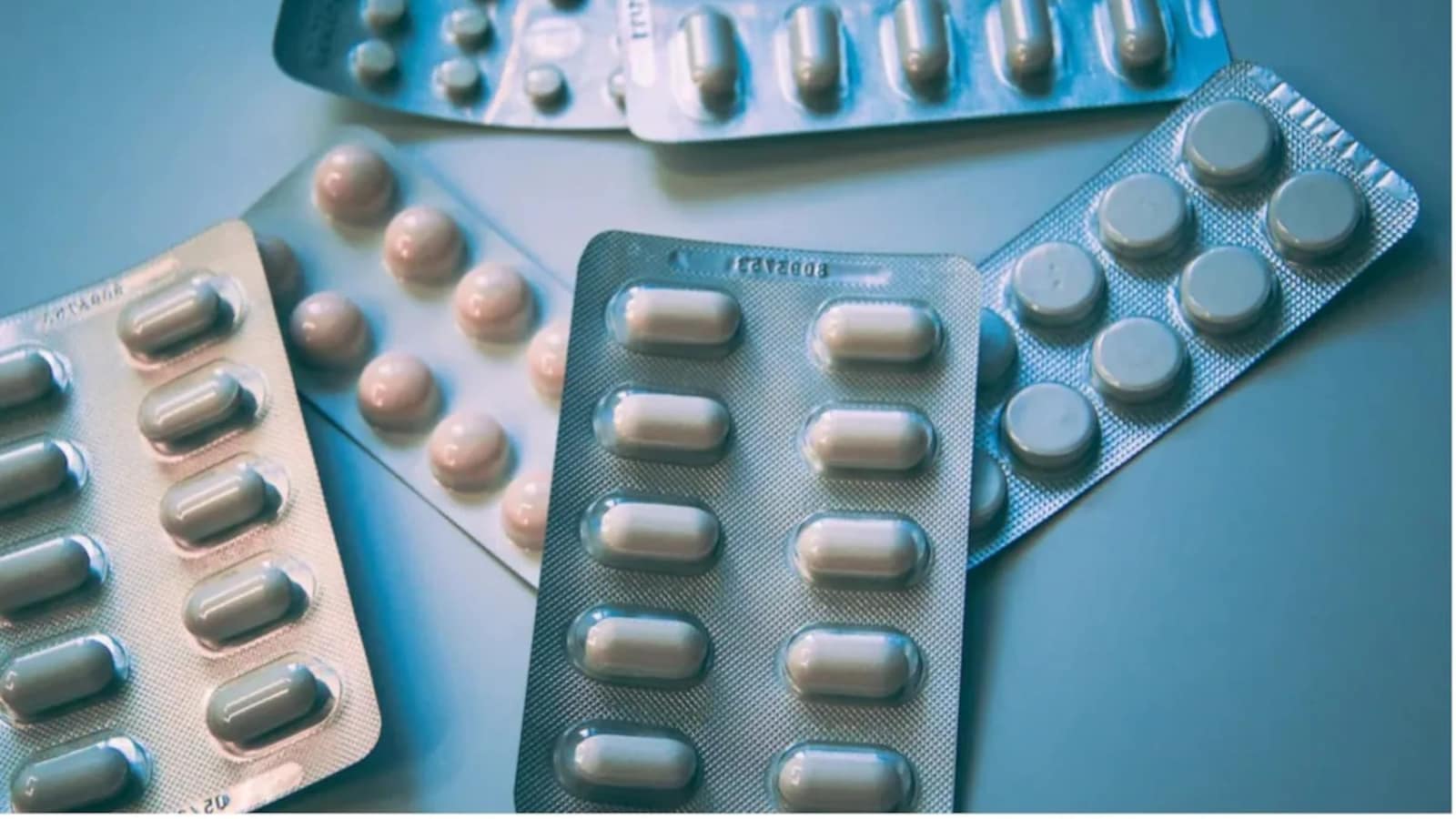
Antibiotics are medicines that kill bacteria, but some bacteria have become resistant to them, making infections harder to treat.
Scientists are working on a new way to make antibiotics work better by using something called antibiotic adjuvants.
These adjuvants don't kill bacteria directly, but they help antibiotics overcome the defences that bacteria have developed.
In a recent study, researchers found that an experimental adjuvant called PGHI-4 can restore the effectiveness of an antibiotic called vancomycin against a dangerous type of bacteria called Enterococcus faecium.
This approach could help extend the lifespan of existing antibiotics and reduce the need to develop entirely new drugs.
However, more research is needed to confirm that the antibiotic-adjuvant combination is safe and effective in humans.

Antibiotic adjuvants help existing antibiotics work better against resistant bacteria.
Researchers discovered that PGHI-4 can restore vancomycin's effectiveness against vancomycin-resistant Enterococcus faecium.
This approach could extend the lifespan of existing antibiotics and reduce the need for new drugs.
More research is needed to confirm the safety and efficacy of the antibiotic-adjuvant combination in humans.
Responsible antibiotic use is crucial to slow the spread of superbugs.
- Who
- Researchers at Cold Spring Harbor Laboratory
- What
- Discovered that an experimental antibiotic adjuvant called PGHI-4 can restore vancomycin's effectiveness against resistant bacteria.
- When
- The research was published in Nature Communications.
- Where
- The research was conducted at Cold Spring Harbor Laboratory.
- Why
- To combat antimicrobial resistance and extend the lifespan of existing antibiotics.
Proponents of Antibiotic Adjuvants
Critics of Antibiotic Adjuvants
Effectiveness
Proponents of Antibiotic Adjuvants
Antibiotic adjuvants can restore the effectiveness of existing antibiotics, making them a valuable tool in combating antimicrobial resistance.
Critics of Antibiotic Adjuvants
Critics argue that adjuvants may only provide a temporary solution and that new antibiotics are still necessary to address the root cause of resistance.
Cost and Development Time
Proponents of Antibiotic Adjuvants
Developing adjuvants is less expensive and time-consuming than creating entirely new antibiotics, making it a more practical short-term solution.
Critics of Antibiotic Adjuvants
Critics contend that the development of adjuvants still requires significant research and investment, and may not be a cost-effective solution in the long run.
Safety and Efficacy
Proponents of Antibiotic Adjuvants
Proponents believe that adjuvants can improve treatment options for resistant infections and potentially lower healthcare costs by making older medicines effective again.
Critics of Antibiotic Adjuvants
Critics express concerns about the safety and efficacy of adjuvants in humans, as the research is still in the experimental stage and more studies are needed.
- Antibiotic Adjuvants
- Substances that help antibiotics work better against resistant bacteria.
- Vancomycin
- An antibiotic often used as a last line of defence against serious bacterial infections.
- Enterococcus faecium
- A type of bacteria that has evolved resistance to vancomycin.
- PGHI-4
- An experimental antibiotic adjuvant that restores vancomycin's effectiveness.
- Antimicrobial Resistance (AMR)
- The ability of bacteria to resist the effects of antibiotics.
- Superbugs
- Bacteria that have developed resistance to multiple antibiotics.