

Archive · 7 Aug 2026
DR Congo Ebola Outbreak Tops 4,000 Cases Amid Mutation Fears
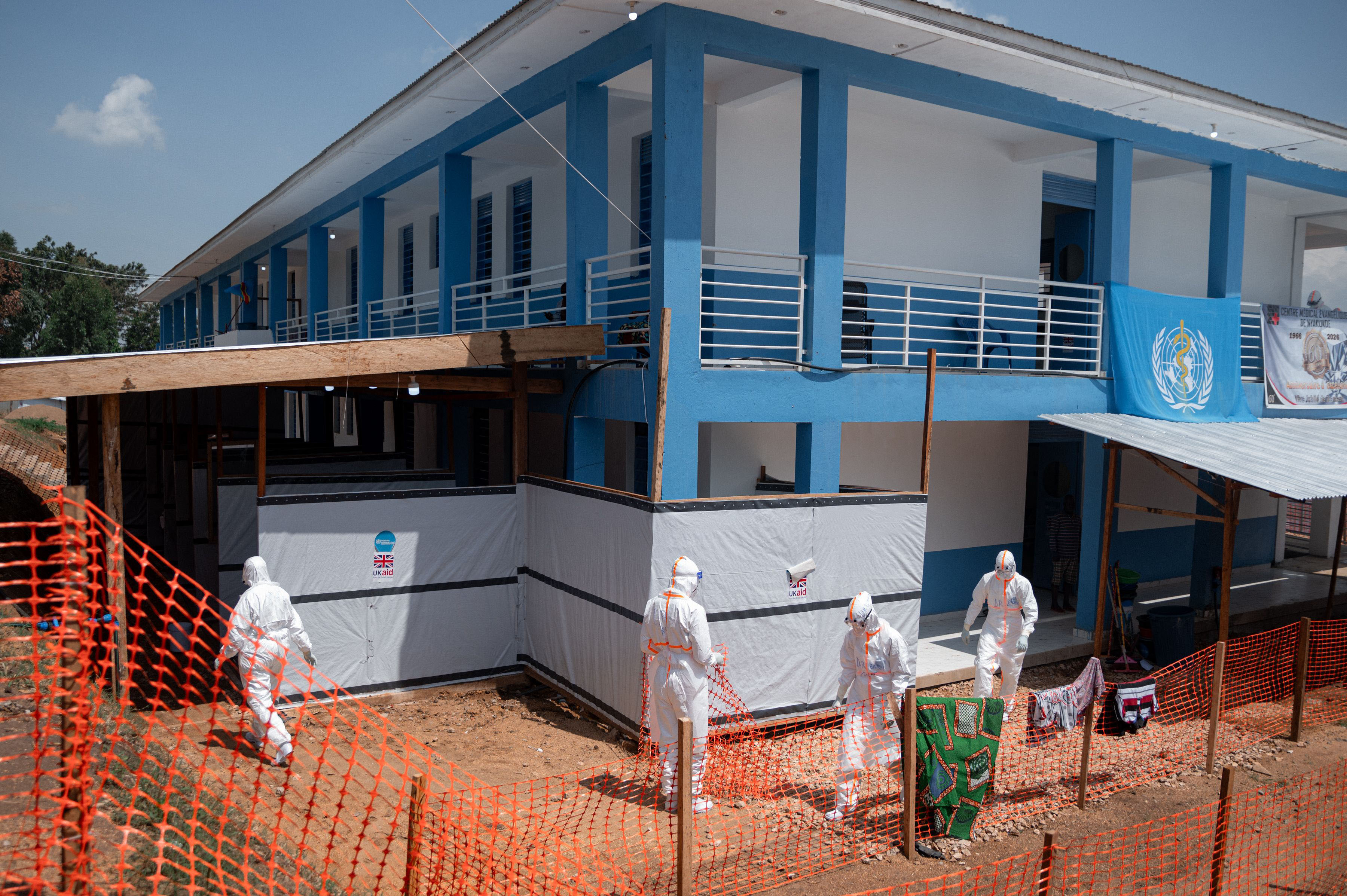
There is a very dangerous sickness called Ebola.
In a country called the Democratic Republic of the Congo, more than 4,000 people have now gotten this sickness.
That is a lot, and it is one of the biggest Ebola sickness waves that country has ever had.
Doctors are worried because the germ that causes Ebola may be changing itself.
If the germ changes, it could spread more easily or make people sicker.
It could even make medicines and vaccines stop working as well.
Scientists are watching very closely to see if the germ has changed.
Health workers are busy finding sick people, giving vaccines, and teaching people how to stay safe.
They are asking other countries to help so the sickness does not spread even more.

The Ebola outbreak in the Democratic Republic of the Congo has surpassed 4,000 confirmed cases.
Health authorities fear the virus may be mutating as it continues to spread.
Investigations are underway to determine whether mutations have changed the virus's transmissibility or severity.
The outbreak is one of the largest recorded in the country's history and is straining the healthcare system.
Officials are intensifying surveillance, treatment, vaccination, contact tracing, and community awareness efforts.
- Who
- Health authorities, experts, and public health teams in the Democratic Republic of the Congo, along with affected communities.
- What
- The Ebola outbreak has crossed 4,000 confirmed cases, and officials fear the virus may be mutating and complicating containment.
- When
- Ongoing; the article does not specify exact dates.
- Where
- The Democratic Republic of the Congo, in affected regions.
- Why
- The virus continues to spread, straining the healthcare system, and possible mutations could complicate efforts to contain it.
- Disease
- Ebola
- Confirmed Cases
- Over 4,000
- Location
- Democratic Republic of the Congo
- Main Concern
- Possible virus mutation affecting transmissibility or severity
- Outbreak Scale
- One of the largest recorded in the country's history
- Response Efforts
- Surveillance, treatment, vaccination, contact tracing, and community awareness campaigns
- Additional Challenges
- Ongoing humanitarian and security challenges
- Calls for Support
- Continued vigilance and international support