

Archive · 29 Sep 2025
Brahmaputra: India's Sole Male River
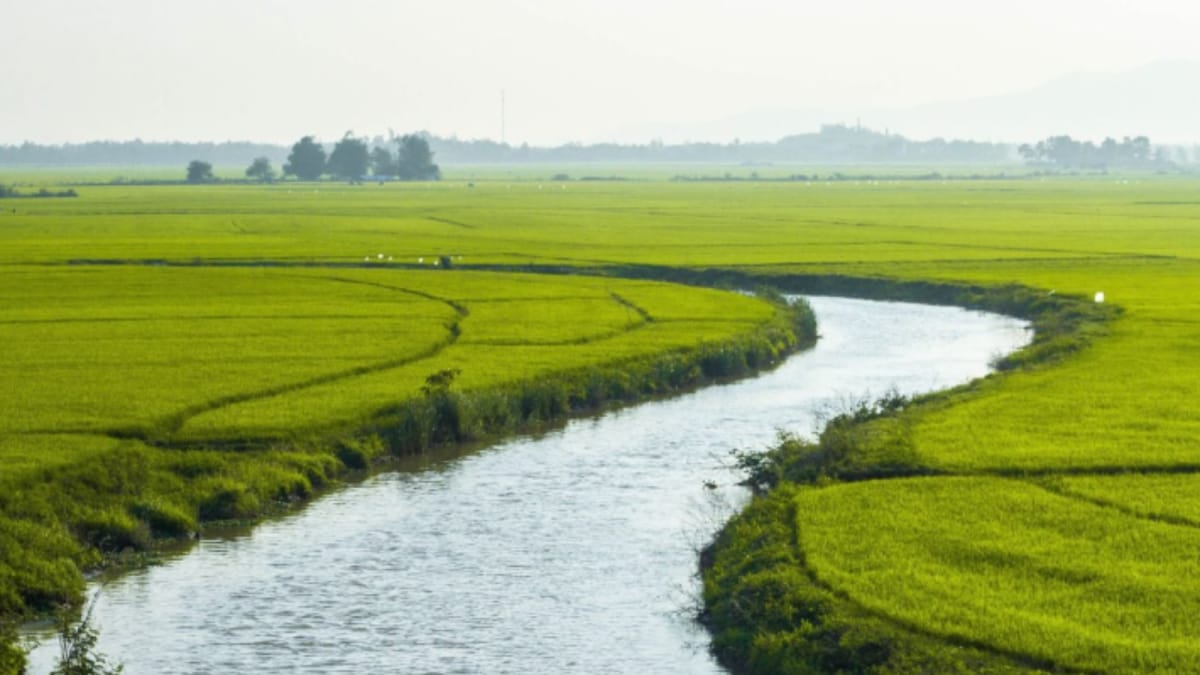
Most rivers in India are seen as female goddesses.
The Brahmaputra is special because it is considered a male river.
It starts in Tibet, flows through India, and then goes to Bangladesh.
It's a very big river, important for farming, fishing, and giving water.
The river is connected to stories from ancient times, and it supports many animals and plants along its sides.
It is also the lifeblood for villages, and religious celebrations in some areas.
The river is known by different names in different regions.

The Brahmaputra is the only river in India designated as male.
It originates in Tibet and flows through India and Bangladesh.
It is the third largest river in India and the 9th widest in the world.
The river holds cultural and religious significance and is important for regional economies.
It is known by different names in different regions: Tsangpo, Dih, and Jamuna.
- Who
- The Brahmaputra River
- What
- A major river in India, unique for being the only male-designated river.
- When
- No specific date mentioned, but the article discusses historical and mythological contexts.
- Where
- Originates in Tibet, flows through India (Arunachal Pradesh, Assam), and Bangladesh.
- Why
- Holds mythological, religious, and economic significance; vital for biodiversity and local communities.
- Origin
- Mansarovar, Tibet
- Length
- Approximately 2,900 km
- Indian State(s)
- Arunachal Pradesh, Assam
- Other Regions
- Tibet, Bangladesh
- Other Names
- Tsangpo (Tibet), Dih (Arunachal Pradesh), Jamuna (Bangladesh)
- Significance
- Third largest river in India, 9th widest globally