Archive · 22 Sep 2026
GLP-1 Drugmakers Face US Lawsuits Over Rare Blindness Risk
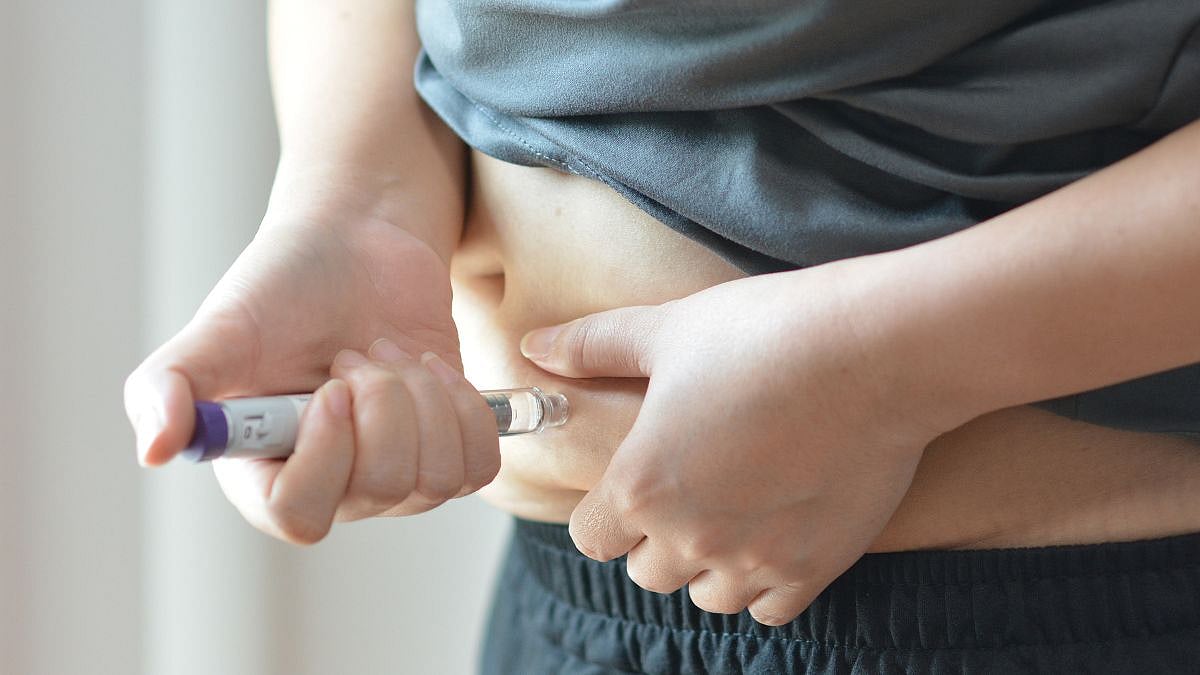
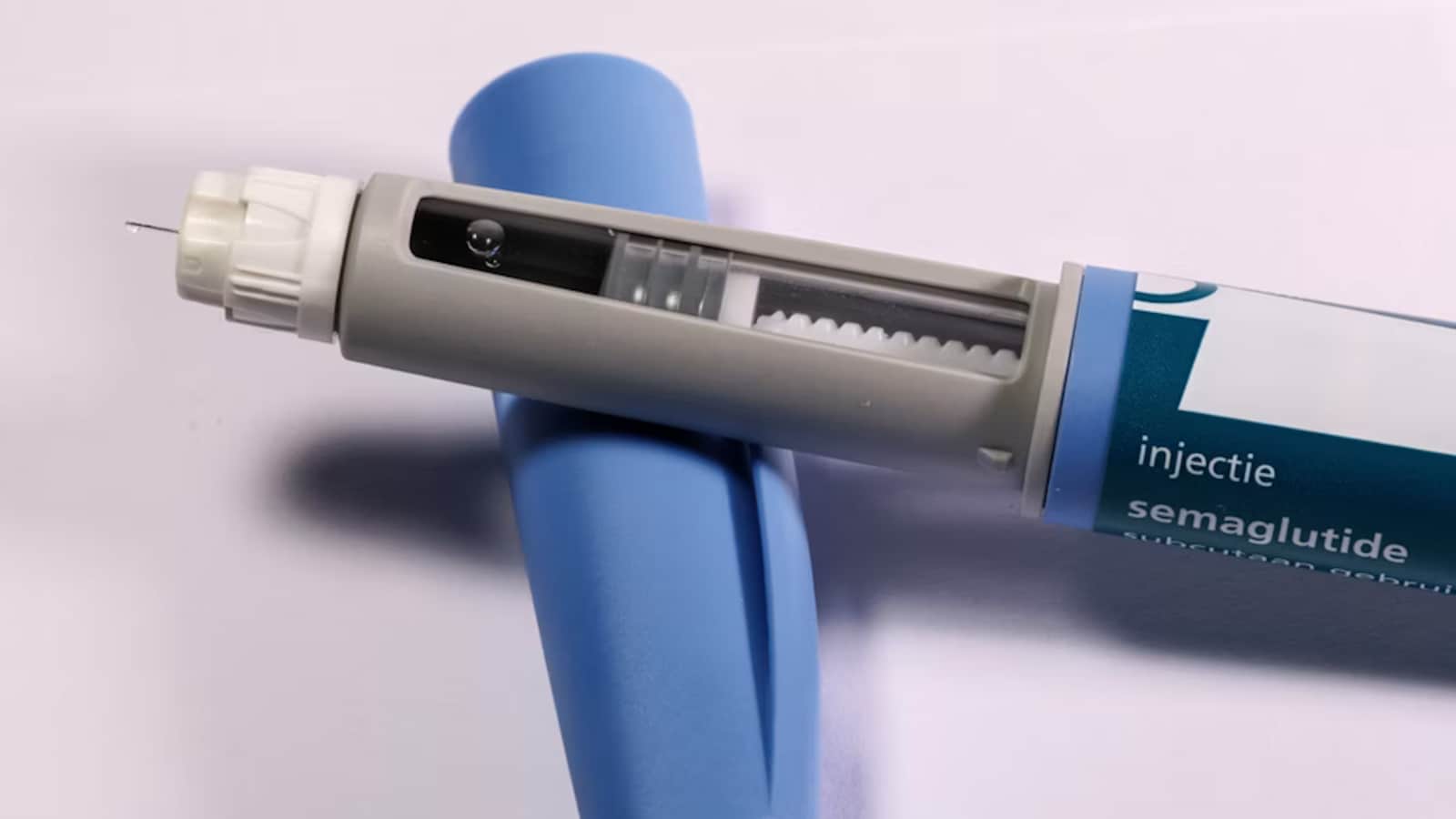
Some people who used popular medicines such as Ozempic, Wegovy, Mounjaro and Zepbound say they suddenly lost vision.
They have sued the companies that make these medicines in the United States.
The lawsuits focus on a rare eye problem called NAION, which can cause sudden vision loss in one eye.
Filing a lawsuit does not prove that a medicine caused someone’s injury.
Scientists have studied the possible connection, but their results have been mixed.
One large 2024 study did not find a statistically significant link with semaglutide.
Later reviews also found no clear overall increase, although the evidence was considered weak or uncertain.
Some regulators have added or acknowledged warnings about a very rare possible risk.
The US Food and Drug Administration is still reviewing the issue.
People should not stop their medicine without speaking to a doctor, but sudden vision changes require urgent medical attention.

Dozens of US patients have sued Novo Nordisk and Eli Lilly, alleging GLP-1 medicines caused sudden, potentially permanent vision loss.
The lawsuits involve Ozempic, Wegovy, Mounjaro and Zepbound and focus on the rare condition NAION.
The companies dispute the allegations, while studies have not established that GLP-1 medicines cause NAION.
A 2024 study and 2026 reviews found no statistically significant overall association, but evidence certainty remains low or very low.
Regulators in Europe, the UK, Australia and internationally have acknowledged a very rare potential association, while the US FDA review continues.
- Who
- Dozens of US patients, Novo Nordisk, Eli Lilly, researchers and regulators are involved.
- What
- Patients have filed personal-injury lawsuits alleging that GLP-1 medicines caused NAION-related vision loss and that manufacturers failed to provide adequate warnings.
- When
- The lawsuits follow research and regulatory reviews conducted from 2024 through 2026; the FDA review remains ongoing.
- Where
- The lawsuits were filed in the United States, while regulators in Europe, the UK, Australia and international agencies have assessed the possible risk.
- Why
- Patients allege inadequate warnings, while researchers and regulators are investigating conflicting evidence about whether GLP-1 medicines can cause NAION.
Patients and Safety Concerns
Drugmakers and Scientific Uncertainty
Whether GLP-1 medicines caused the injuries
Patients and Safety Concerns
Patients allege that medicines including Ozempic, Wegovy, Mounjaro and Zepbound caused their sudden vision loss and NAION.
Drugmakers and Scientific Uncertainty
Novo Nordisk and Eli Lilly dispute a causal connection, and no study cited has conclusively established that GLP-1 medicines cause NAION.
Whether warnings were adequate
Patients and Safety Concerns
The lawsuits claim the manufacturers did not adequately warn patients about the possible risk of NAION.
Drugmakers and Scientific Uncertainty
The companies say they monitor safety information and report or assess potential risks with regulators; Novo Nordisk calls the lawsuits without merit.
Regulatory response
Patients and Safety Concerns
European, UK, Australian and international regulatory actions are cited as evidence that the possible risk warrants warnings or urgent assessment.
Drugmakers and Scientific Uncertainty
The US FDA is still evaluating the signal and does not currently require manufacturers to specifically list NAION as a label risk.
- Medicines named
- Ozempic, Wegovy, Mounjaro and Zepbound; the broader class includes semaglutide and tirzepatide.
- Condition
- Nonarteritic anterior ischemic optic neuropathy, or NAION, can cause sudden, often painless vision loss, typically in one eye.
- Defendants
- Novo Nordisk makes Ozempic and Wegovy; Eli Lilly makes Mounjaro and Zepbound.
- 2024 study
- A multinational observational study involving more than 297,000 people found no statistically significant association between semaglutide and NAION.
- 2026 reviews
- Two systematic reviews and meta-analyses found no statistically significant overall increase or conflicting results; one rated the evidence certainty low to very low.
- Regulatory actions
- The European Medicines Agency and Australia's Therapeutic Goods Administration required warnings for certain GLP-1 medicines; the World Health Organization and UK regulator described the association with semaglutide as very rare.
- US status
- The FDA does not currently require a specific NAION warning and is reviewing the possible safety signal through its Sentinel Initiative.
- Patient guidance
- Patients should not stop treatment on their own, but sudden or rapidly worsening vision requires urgent ophthalmological assessment.