

Archive · 21 Jun 2025
Parasitic Infection from Kidney Transplant Nearly Claims Life
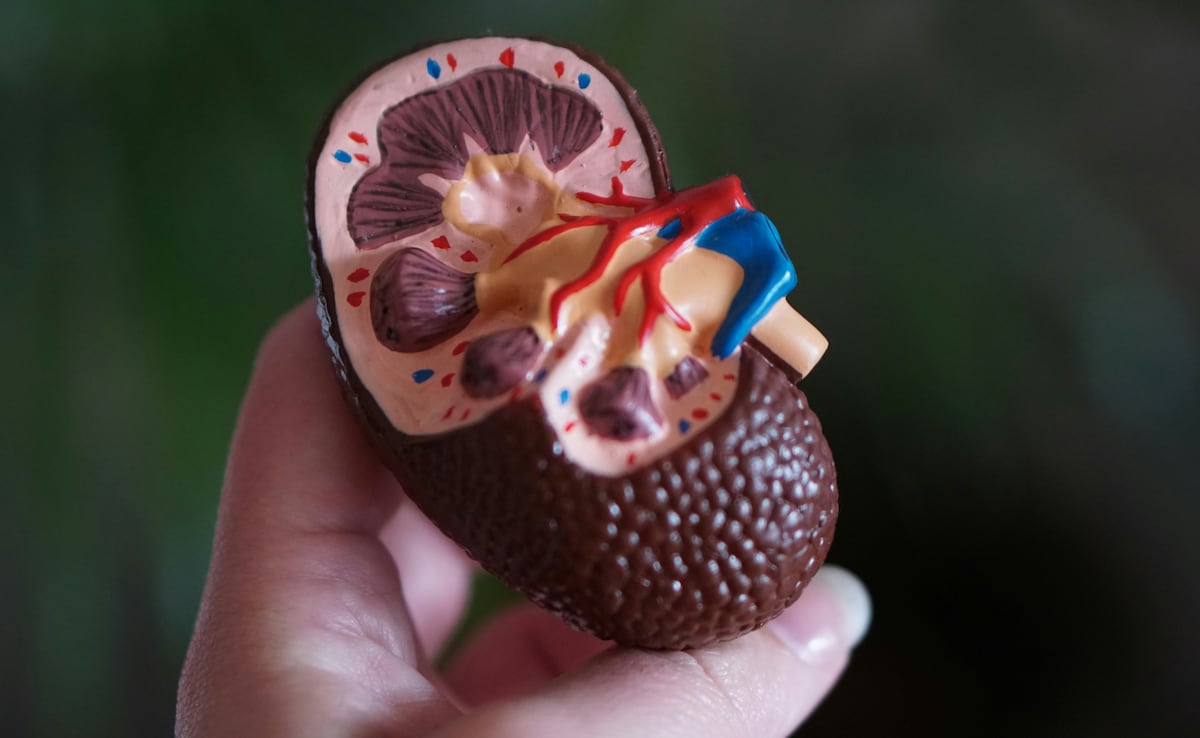
A man got a new kidney, but soon got very sick.
Doctors discovered a tiny worm called Strongyloides from the donated kidney was the problem.
The man was vomiting, tired, and his lungs filled with fluid.
The doctors realized the donor was from a place where this worm is common.
They gave him special medicine to kill the worms, and he got better.
The other person who got a kidney from the same donor also got sick but recovered, too.
Now, they're checking for this worm before transplants to prevent this from happening again.

A 61-year-old man developed serious health issues after a kidney transplant.
Doctors identified a parasitic roundworm, Strongyloides, as the cause.
The parasite was transmitted from the kidney donor, who was from the Caribbean.
The patient was treated with ivermectin, a deworming drug, and recovered.
The United Network for Organ Sharing updated its policy to recommend screening for the parasite.
- Who
- A 61-year-old man, the kidney donor, and medical professionals.
- What
- A man contracted a parasitic infection after a kidney transplant from an infected donor.
- When
- Two months after the kidney transplant.
- Where
- The patient was treated at a hospital; the donor was from the Caribbean.
- Why
- The patient's body rejected the new kidney due to a parasitic infection transferred from the donor.
Patient
Donor
Health Impact of Transplant
Patient
Suffering from a life-threatening parasitic infection.
Donor
Receiving a life-saving organ without the risk of infection.
- Patient Age
- 61 years old
- Type of Transplant
- Kidney
- Infectious Agent
- Strongyloides (parasitic roundworm)
- Donor Origin
- Caribbean
- Treatment
- Ivermectin (deworming drug)
- Outcome
- Full recovery for both recipients