1 hr ago
When Convicted MLAs Lose Their Seats Under Indian Law
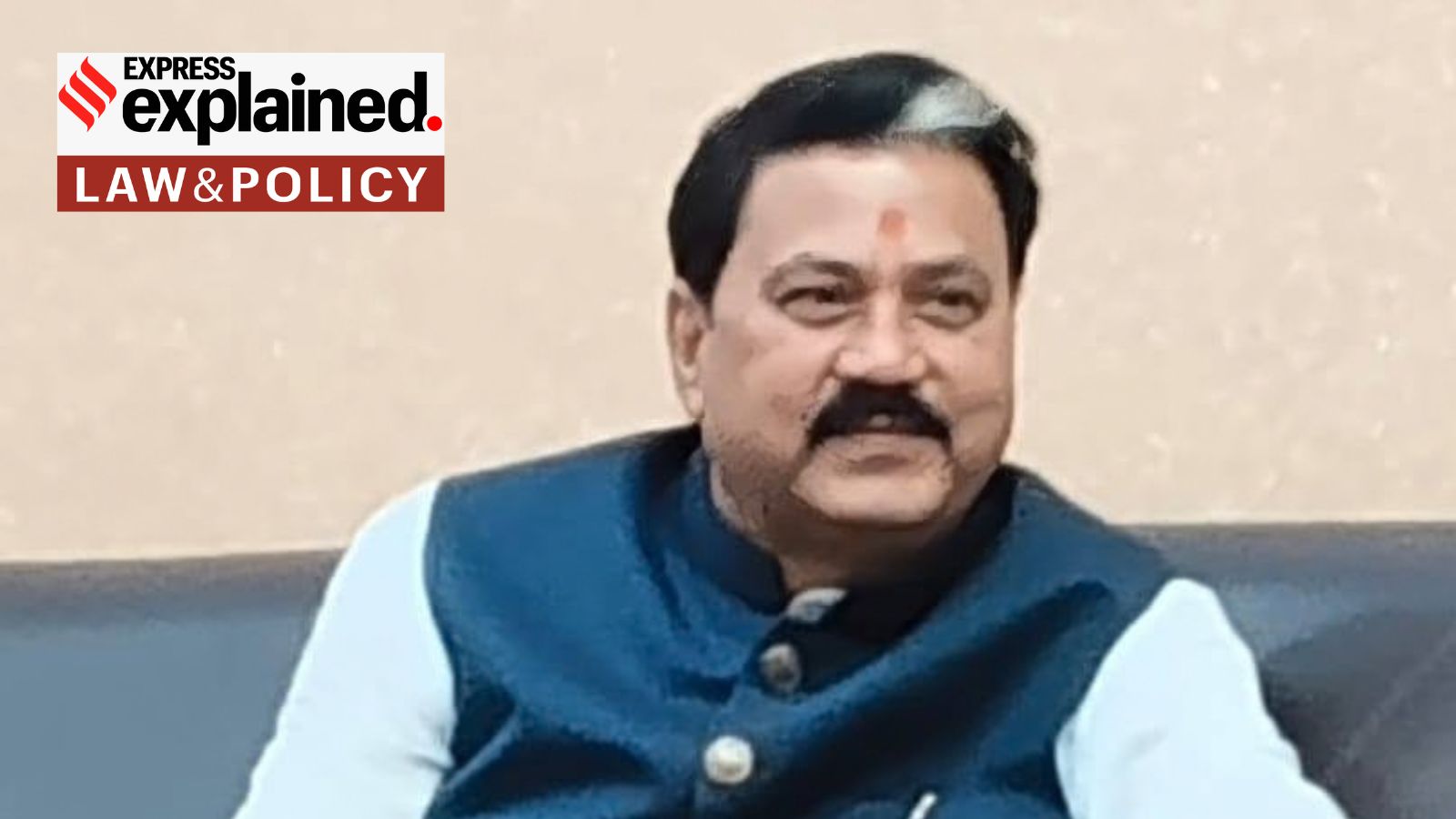
A legislator can lose their seat if they are convicted of a crime and sentenced to at least two years in prison.
The law says disqualification starts on the day of conviction.
A court pausing a prison sentence while an appeal is heard does not, by itself, stop the disqualification.
The conviction must be specifically put on hold for that to happen.
The Supreme Court ruled in 2013 that legislators do not get an automatic three-month grace period to appeal.
The article says a disqualified member’s seat becomes vacant under the Constitution.
The Bihar Assembly had not yet declared Raju Kumar Singh’s seat vacant, even though more than three months had passed since his sentencing.
The article explains the legal rules but does not give the Assembly’s reasons for the delay.

Bihar BJP MLA Raju Kumar Singh was convicted and sentenced to four years and a month in a case linked to a woman’s death at a 2018 New Year’s Eve party.
The Delhi High Court suspended Singh’s sentence but refused to stay his conviction, which remains in effect.
Section 8(3) of the Representation of the People Act disqualifies a person sentenced to at least two years in prison from the date of conviction.
The Supreme Court’s 2013 Lily Thomas ruling invalidated a three-month protection that had allowed convicted legislators to remain in office while appealing.
The Bihar Assembly had not declared Singh’s seat vacant more than three months after sentencing; the article says the law makes the seat vacant upon disqualification.
- Who
- Bihar BJP MLA Raju Kumar Singh, the Bihar Assembly, and authorities responsible for determining or recording legislative disqualification.
- What
- The article explains when a legislator convicted and sentenced to prison is disqualified and when the seat becomes vacant.
- Where
- Bihar and the Delhi High Court; the underlying case arose from a 2018 New Year’s Eve party in Delhi.
- When
- The Delhi High Court refused to stay Singh’s conviction the week before the article; more than three months had passed since his July sentencing.
- Why
- Singh’s conviction and sentence of more than two years raise questions about his disqualification and the delay in recording his seat as vacant.
Key facts
- Relevant law
- Section 8(3) of the Representation of the People Act, 1951
- Disqualification threshold
- A conviction with a sentence of at least two years’ imprisonment
- When disqualification begins
- From the date of conviction
- Post-release disqualification
- Continues for six years after release
- Singh’s sentence
- Four years and a month
- Sentence suspension
- Suspending a sentence during an appeal does not itself suspend the conviction
- By-election period
- Section 151A generally requires a by-election within six months of a vacancy, subject to exceptions
Quotes
Delhi High Court
The court that declined to stay Raju Kumar Singh’s conviction.
“To make things worse, he does not have clean antecedents. There is a long list of cases in which he is found to be involved in. Undoubtedly, in several such cases, he has already been acquitted but it is not a case where he has a clean slate.”
 indianexpress.com
Sources
Related news

Delhi High Court Rejects Bihar MLA’s Conviction Suspension Plea
Gujarat High Court Grants Convicted MLA Seven Days’ Bail

Kerala HC Seeks Stand on MLA Kappan Disqualification Plea
Petition Seeks Disqualification of Kerala MLA Mani C Kappan
Supreme Court Flags Delay in Rebel TMC MPs’ Disqualification

Madras High Court Rejects Plea to Restrict Resigned MLAs

Supreme Court Leaves Milan Pradhan’s Interim Bail in Place

Omar Abdullah Says Delimitation and SIR Help BJP
Delhi Barricades Routes Ahead of INDIA Bloc Sit-In

Rajpal Yadav’s Film Loan Dispute Reaches Supreme Court
NIA Court Rejects Shabir Shah’s Bail Plea in 1996 Violence Case