

Archive · 18 Jan 2026
Oil Tankers Weaponized in Global Shadow Fleet
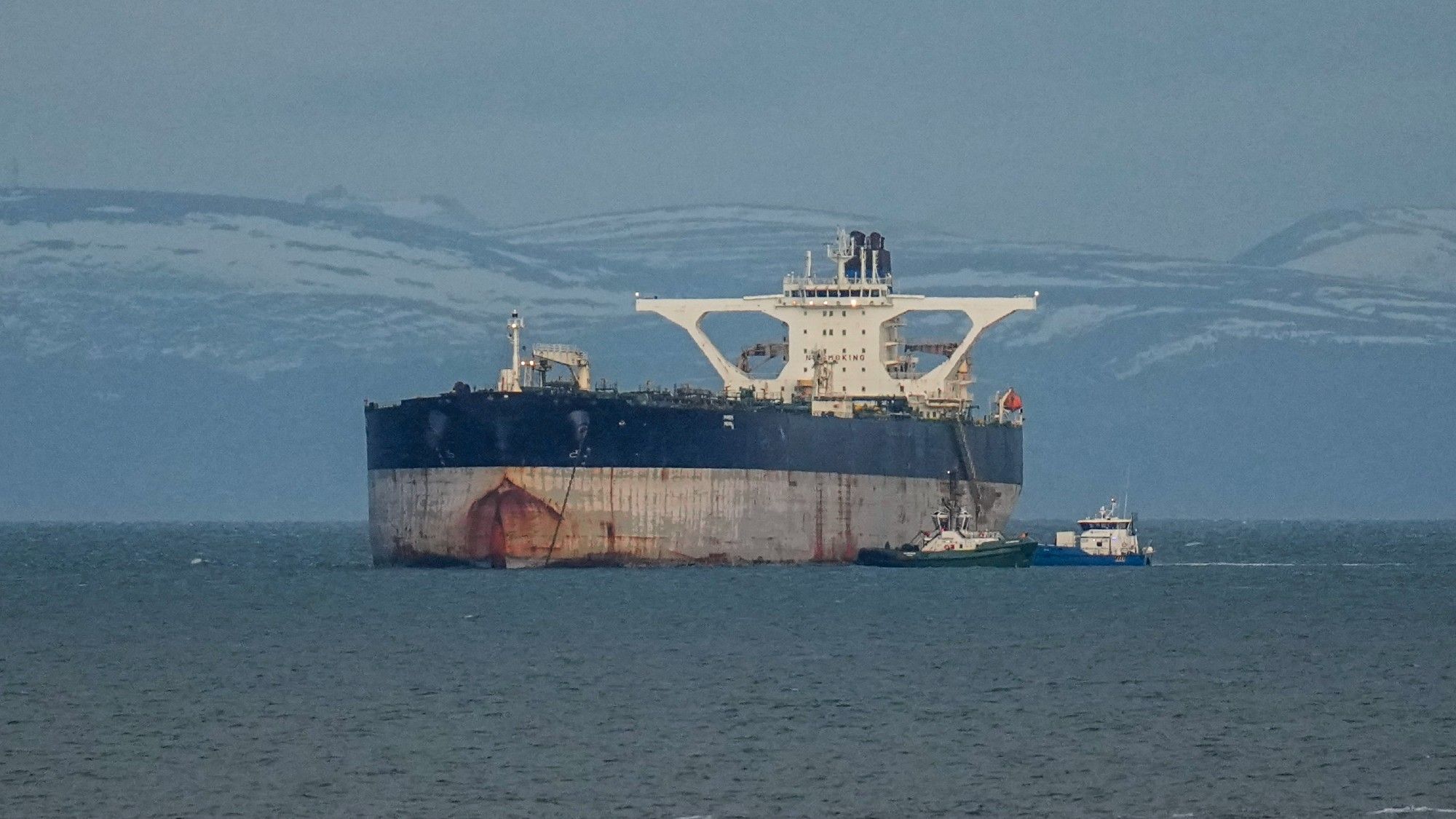
There are many oil tankers around the world that are used for illegal activities, like avoiding rules and selling oil from countries that are under sanctions.
These tankers are part of something called the 'shadow fleet.'
After Russia invaded Ukraine, Russia built up a big part of this shadow fleet to keep selling its oil.
These tankers often change their names and turn off their tracking systems to hide where they are going.
They can be dangerous because they are old and not well-maintained, which could cause big oil spills.
Some of these tankers have even been used to damage important things like undersea cables and launch drones.
Countries like the US, UK, and EU are trying to stop these tankers by putting sanctions on them, but it's hard because the tankers keep changing their names and flags.
Recently, Ukraine has been attacking some of these Russian tankers with drones, and the US has been seizing vessels involved in trade with Venezuela.

An estimated 900 to 1,500 tankers are part of the global 'shadow fleet', used to circumvent sanctions and regulations.
Russia rapidly expanded its shadow fleet after the invasion of Ukraine, with about half of the world's shadow fleet vessels transporting Russian oil.
Shadow fleet tankers often disguise ownership, change names, and turn off tracking systems to evade detection.
These tankers pose environmental risks due to poor maintenance and lack of insurance, potentially causing billion-dollar oil spills.
Some shadow fleet tankers have been implicated in damaging infrastructure, possibly through deliberate acts of sabotage.
- Who
- Global shadow fleet, including Russian, Iranian, and Venezuelan vessels
- What
- Weaponization of oil tankers to evade sanctions and engage in illegal activities
- When
- Rapid expansion after Russia's invasion of Ukraine in 2022
- Where
- Global operations, primarily transporting oil to Asia (China and India)
- Why
- To circumvent sanctions, avoid regulations, and continue oil trade at near-market prices
- Estimated Shadow Fleet Size
- 900 to 1,500 tankers
- Primary Oil Sources
- Russia (50%), Iran (20%), Venezuela
- Oil Transported in 2025
- 3.7 billion barrels
- Price Cap on Russian Crude
- $47.60 per barrel
- Russian Oil Exports via Shadow Fleet
- 70% of seaborne crude exports
- Recent Ukrainian Attacks
- Six Russian shadow vessels attacked by naval drones
- US Seizures of Venezuelan Vessels
- More than 40 vessels reflagged to Russia, 5 seized