

Archive · 15 Aug 2025
Space Hurricanes: A New Look at Geomagnetic Storms
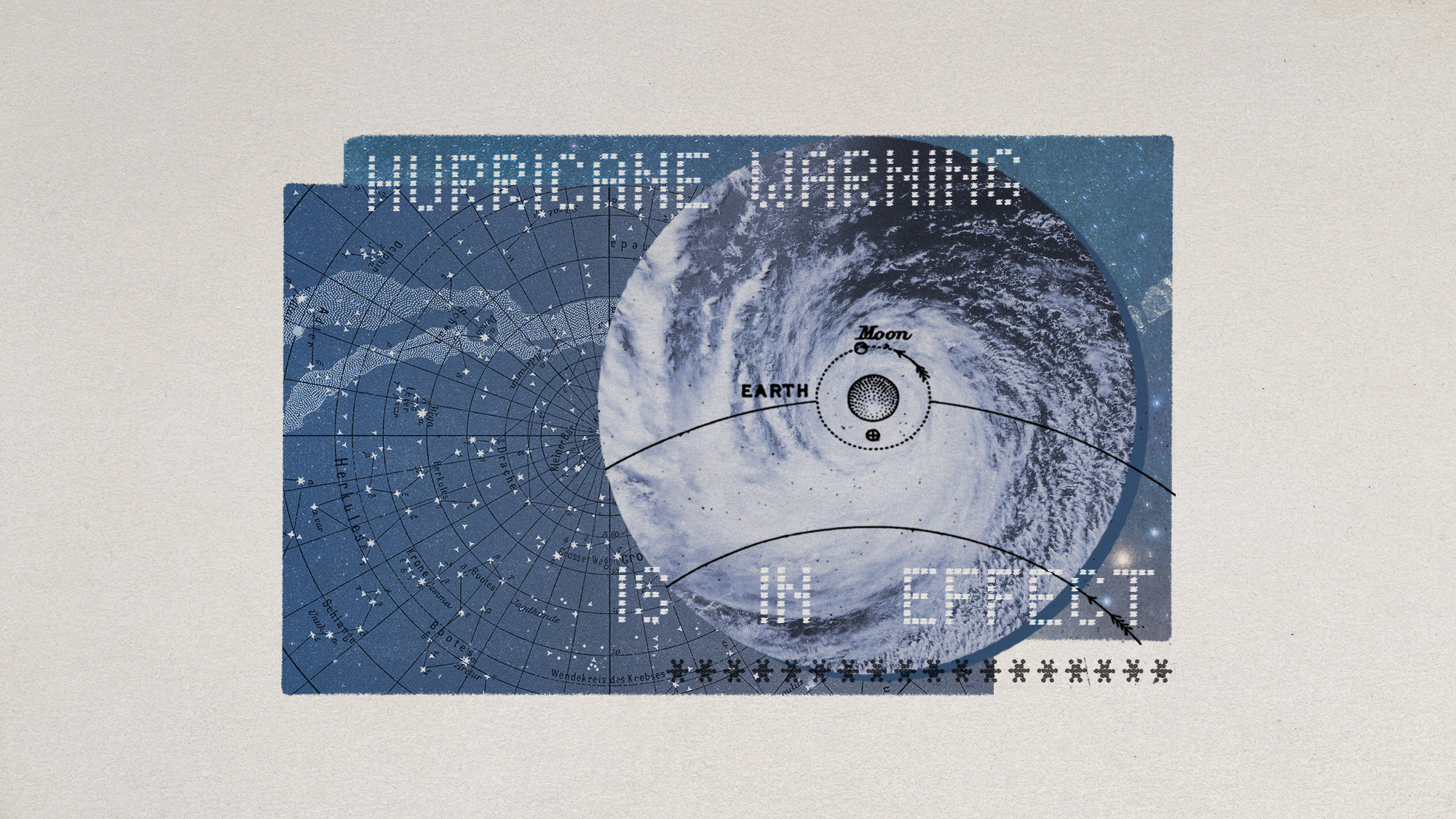
Imagine a hurricane, but instead of water and wind, it's made of charged particles high above Earth.
These 'space hurricanes' swirl around the North Pole and can mess with things in space and on the ground.
They're different from other storms because they can happen even when things seem calm.
These storms can make GPS signals less accurate, like when your phone's location is a little off.
Scientists are still learning about them, but they know these space hurricanes are more common than they thought.
They can happen during summer, and up to ten times a year, according to researchers.

Space hurricanes are atmospheric phenomena that occur above the Earth's poles.
They consist of charged particles, resembling terrestrial hurricanes but impacting space weather.
Space hurricanes can disrupt satellites, space junk, and navigation systems.
Unlike typical geomagnetic storms, space hurricanes can form when the interplanetary magnetic field aligns northward.
Studies suggest space hurricanes are more frequent, possibly occurring up to 10 times a year.
- Who
- Scientists are studying space hurricanes to understand their effects.
- What
- Space hurricanes are swirling storms of charged particles in the upper atmosphere above Earth's poles.
- When
- Studies indicate that these storms occur more frequently than previously thought, possibly up to 10 times a year, typically during summer.
- Where
- They occur above the Earth's North and South Poles.
- Why
- To understand their impact on space weather and navigation systems.
Traditional Understanding
New Findings
Storm Drivers
Traditional Understanding
Geomagnetic storms are associated with a southward-tilting interplanetary magnetic field.
New Findings
Space hurricanes form when the interplanetary magnetic field aligns northward, which was traditionally considered calm.
- Definition
- Cyclone of charged particles in Earth's upper atmosphere.
- Location
- Above Earth's poles.
- Impact
- Disrupts satellites, space junk, and navigation systems.
- Formation
- Can form during northward interplanetary magnetic field alignment.
- Frequency
- Potentially up to 10 times a year.
- Effects
- May reduce the accuracy and reliability of navigation systems.