

Archive · 29 Dec 2025
Nepal's Strategic Importance for India
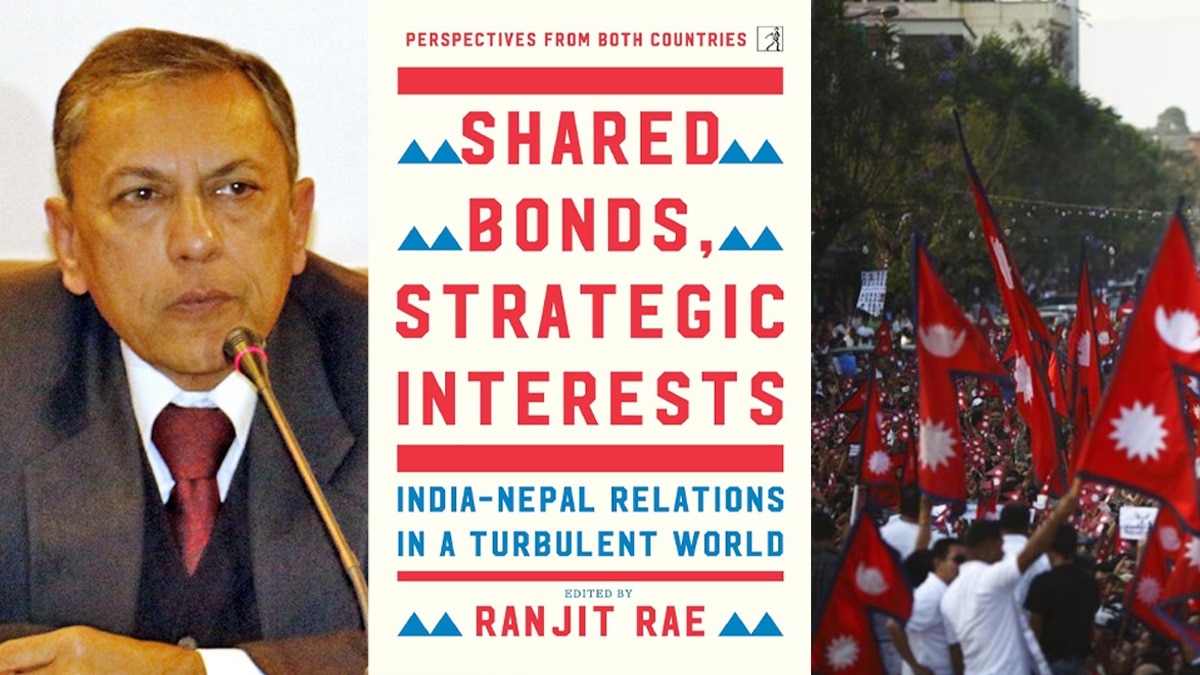
Nepal is very important for India because it acts as a buffer between India and China.
It has high mountains and rivers that are important for both countries.
India and Nepal share similar cultures and have open borders, which makes their relationship special.
However, Nepal has faced political problems, like protests by young people and issues with corruption.
Some people in Nepal feel unhappy with India, which has historical reasons.
Nepal used to send soldiers to join India's army, but this has stopped recently.
The possibility of bringing back the old king is very low, but if things get worse, anything could happen.
India needs to carefully manage its relationship with Nepal to keep the region peaceful and stable.

Nepal is a critical buffer between India and China, with significant geographical and cultural ties.
Recent political unrest in Nepal, including Gen Z-led protests, has highlighted economic and corruption issues.
Anti-India sentiment in Nepal has historical roots, exacerbated by events like the 2015 blockade and royal policies.
The possibility of the monarchy returning is considered very unlikely, but political flux could lead to unpredictable turns.
India should consider making exceptions to allow Nepali recruitment into the Gorkha regiments, a century-old practice paused by Kathmandu.
- Who
- Ranjit Rae, former Indian ambassador to Nepal, and various stakeholders in Nepal-India relations.
- What
- The strategic importance of Nepal for India, including security, cultural, and economic aspects.
- When
- The discussion is based on recent political events and historical context.
- Where
- Nepal and its geopolitical significance in relation to India and China.
- Why
- To understand the critical role Nepal plays in India's strategic calculus and the challenges in the bilateral relationship.
- Geographical Significance
- Nepal is a critical buffer between India and China, with eight of the highest Himalayan peaks and 50% of the Ganga's water originating from its rivers.
- Cultural and Historical Ties
- India and Nepal share open borders, document-free travel, similar cultures, languages, and family relationships.
- Security Concerns
- Nepal's vulnerability has historically allowed inimical forces to operate, such as the hijack of IC 814 in 1999.
- Political Unrest
- Recent Gen Z-led protests contributed to the fall of the KP Oli government, highlighting economic and corruption issues.
- Gorkha Regiments
- Nepali recruitment into the Indian Army's Gorkha regiments, a century-old practice, was paused by Kathmandu after India introduced the Agniveer scheme.
- Monarchy Return
- The possibility of the monarchy returning is considered very unlikely, but political flux could lead to unpredictable turns.
- Anti-India Sentiment
- Anti-India feelings in Nepal have historical roots, exacerbated by events like the 2015 blockade and historical royal policies.