

Archive · 18 Jul 2026
Finerenone Slows Kidney Decline in Non-Diabetic CKD Patients
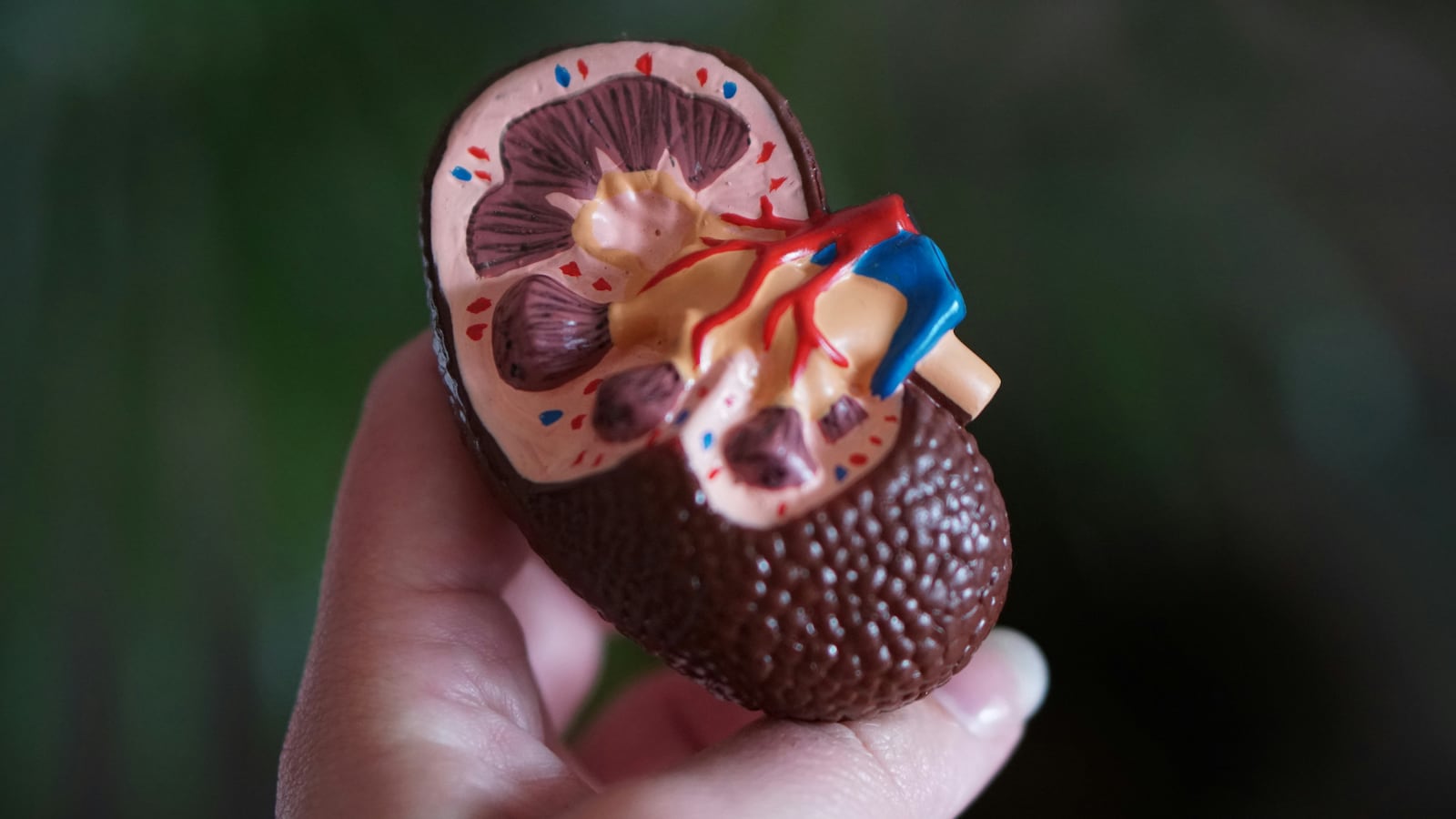
Chronic kidney disease (CKD) is a condition where the kidneys can't filter waste from the blood well.
While diabetes is a common cause, many people get CKD from other reasons like high blood pressure.
Until now, treatment options for non-diabetic CKD patients were limited, leaving them at risk of needing dialysis or a kidney transplant.
A new study found that a pill called finerenone can help slow down kidney damage in these patients.
Finerenone works by blocking a hormone that causes inflammation and scarring in the kidneys.
The study showed that people taking finerenone had slower kidney function decline and less protein in their urine, which is a sign of kidney damage.
This means their kidneys stayed healthier for longer.
The drug is not a cure, but it can help keep kidneys working better and reduce serious complications.
However, finerenone can have side effects, like increasing blood potassium levels, so patients need regular blood tests.
Doctors say this new treatment could be a big help for non-diabetic CKD patients, giving them more options to keep their kidneys healthy.

Finerenone slows kidney function decline in non-diabetic CKD patients.
The FIND-CKD trial showed a 41% reduction in urine protein for finerenone patients.
Finerenone reduces the risk of major kidney and cardiovascular events.
The drug blocks harmful effects of aldosterone, protecting kidneys from damage.
Side effects include increased blood potassium levels, requiring regular monitoring.
- Who
- Adults with chronic kidney disease who do not have diabetes
- What
- A study found that finerenone slows kidney function decline in non-diabetic CKD patients
- When
- The study was published in the New England Journal of Medicine
- Where
- The study was conducted internationally
- Why
- To find effective treatments for non-diabetic CKD patients who have limited options
Proponents of Finerenone
Cautious Observers
Effectiveness
Proponents of Finerenone
Finerenone significantly slows kidney function decline and reduces protein in urine, offering a new treatment option for non-diabetic CKD patients.
Cautious Observers
While promising, the long-term effects and suitability for all patients need further study.
Side Effects
Proponents of Finerenone
The benefits of finerenone outweigh the risks, especially with proper monitoring.
Cautious Observers
Potential side effects like increased blood potassium levels require careful management and regular blood tests.
- Drug Name
- Finerenone
- Condition Treated
- Chronic Kidney Disease (CKD) in non-diabetic patients
- Study Name
- FIND-CKD trial
- Study Duration
- Approximately 32 months
- Key Finding
- Slower decline in eGFR and reduced protein in urine
- Lead Researcher
- Hiddo Lambers Heerspink
- Publication
- New England Journal of Medicine
- Side Effects
- Increased blood potassium levels