

5 days ago
Modi Government Ministers Join Substack Amid Gen Z Outreach
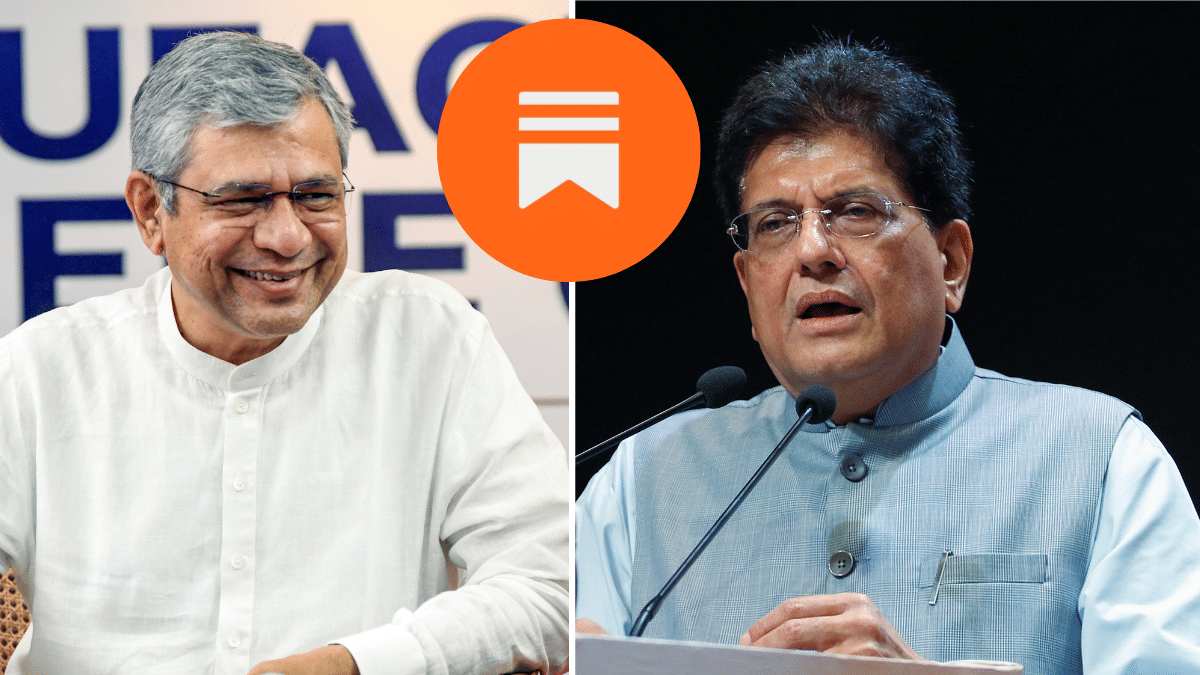
Two Indian government ministers have started writing on a website called Substack.
Ashwini Vaishnaw wrote about plans to build computer-chip factories in India.
Piyush Goyal wrote about a trip to Japan and future business cooperation.
Their move comes as the BJP tries to communicate better with younger people.
This effort follows large protests about a medical entrance exam paper leak.
Substack lets people publish longer messages directly to readers.
Critics say ministers can use it to avoid difficult questions from journalists.
Supporters say ministers are simply using a new way to speak with the public.
It is not yet clear whether the ministers will continue writing there.

Union ministers Ashwini Vaishnaw and Piyush Goyal have begun publishing newsletters on Substack.
Vaishnaw’s first post explained India’s semiconductor programme and cited 12 approved units with about $20 billion in investment.
Goyal wrote about his four-day Japan visit and cooperation in semiconductors, artificial intelligence, robotics and clean energy.
The BJP created a dedicated Gen Z outreach team on 22 August after protests over the NEET-UG exam leak.
Critics say Substack posts allow ministers to bypass questions, while supporters say the platform provides a direct route to citizens.
- Who
- Union ministers Ashwini Vaishnaw and Piyush Goyal, along with the BJP’s Gen Z outreach team.
- What
- The ministers began publishing on Substack as the BJP develops new ways to reach younger voters.
- Where
- On Substack, with the wider political and youth-outreach activity focused in India.
- When
- Vaishnaw published on 25 August; Goyal followed within the same week, after the BJP announced its outreach team on 22 August.
- Why
- The BJP is seeking to improve communication with Gen Z after protests over the NEET-UG exam leak and criticism of its earlier youth-focused social-media efforts.
Critics and Opposition
Government Supporters
Direct communication and scrutiny
Critics and Opposition
Critics and opposition leaders argue that publishing directly to readers lets ministers avoid questions and bypass press scrutiny.
Government Supporters
Government supporters say ministers are using available tools to communicate with citizens without an intermediary.
Fit with Gen Z culture
Critics and Opposition
Critics say posts about semiconductors and trade delegations do not match Substack’s more personal, informal culture among younger readers.
Government Supporters
The platform gives ministers space for longer arguments and reaches younger readers who have chosen Substack themselves, even if it is slower and smaller in reach than short videos.
BJP’s youth outreach
Critics and Opposition
Content creators and critics mocked several BJP attempts to use Gen Z language, saying the party appeared to be imitating a culture it did not understand.
Government Supporters
The BJP has formed a dedicated Gen Z team and directed ministers to use platforms popular with young people, presenting the effort as a response to changing communication habits and youth concerns.
Key facts
- Ministers involved
- Ashwini Vaishnaw and Piyush Goyal
- Platform
- Substack, a subscription newsletter platform
- Vaishnaw’s topic
- India’s semiconductor ecosystem
- Vaishnaw’s figures
- 12 semiconductor units approved, representing about $20 billion in cumulative investment; three were reported in commercial production
- Goyal’s topic
- A four-day Japan visit and expanding India-Japan cooperation
- BJP outreach team
- Announced on 22 August and includes Nitin Nabin, Smriti Irani, Vinod Tawde, Harsh Sanghavi and O.P. Choudhary
- NEET-UG protests
- Protests followed a leak involving the medical entrance exam held on 3 May; a retest was held on 21 June
Sources
Related news

Union Ministers Use Substack for Direct Public Communication
Union Ministers Get Social Media Scores, Urged to Engage Youth

Telangana BJP Welcomes Union Ministers’ University Youth Outreach Initiative

BJP’s Gen Z Outreach Draws Sarcastic Criticism From CJP

MEA Launches Snapchat Channel for Gen Z Amid Meta Scrutiny
Nitin Nabin Leads BJP Meeting on Gen Z Youth Outreach
