

Archive · 31 Dec 2025
India Develops First Gene-Edited Sheep
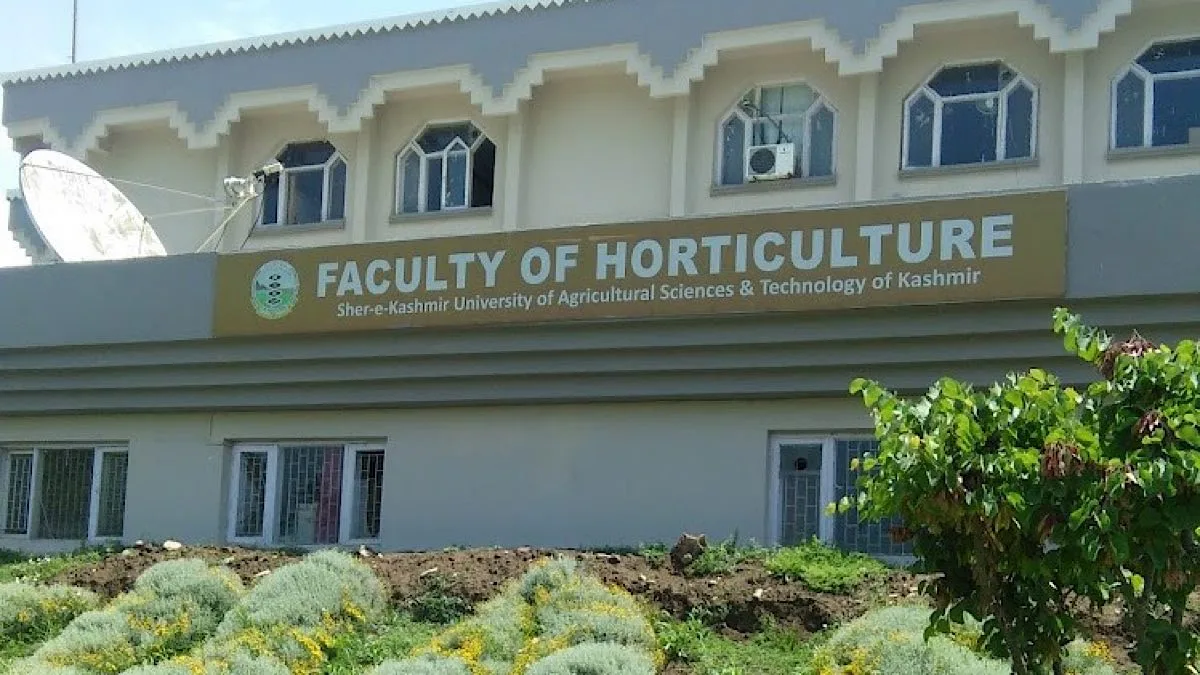
Scientists in Kashmir have created a special sheep using a technique called gene-editing.
This sheep has bigger muscles and is healthy.
The scientists did this to help people in the area where there isn't enough meat for everyone to eat.
The sheep was made by changing a tiny part of its DNA that controls muscle growth.
This is the first time this has been done in India.
The country doesn't have rules yet for animals like this, but other countries are making rules to make sure these animals are safe.
The scientists hope that this sheep can help people have enough food to eat, even when the weather and land make it hard to grow food.

India's first gene-edited sheep developed at Sher-e-Kashmir Agricultural University in Srinagar, Kashmir.
Sheep shows improved muscle development and normal health indicators after a year of monitored growth.
Gene-editing technique used to disable a gene limiting muscle growth, resulting in measurable gains in body mass.
India lacks clear regulatory guidelines for gene-edited livestock, unlike gene-edited crops.
Global trend is towards outcome-based regulations focusing on food safety, animal welfare, and environmental impact.
- Who
- Researchers at Sher-e-Kashmir Agricultural University in Srinagar, Kashmir
- What
- Developed India's first gene-edited sheep with improved muscle development
- When
- The sheep has completed a year of monitored growth
- Where
- Sher-e-Kashmir Agricultural University, Srinagar, Kashmir
- Why
- To address the region's high demand for mutton and improve yield efficiency under climate constraints
- Location
- Sher-e-Kashmir Agricultural University, Srinagar, Kashmir
- Technique
- Precision gene-editing
- Gene Targeted
- Gene limiting muscle growth
- Outcome
- Improved muscle development, normal health indicators
- Regulatory Status
- No clear guidelines for gene-edited livestock in India
- Global Context
- Countries are developing outcome-based regulations for gene-edited animals
- Strategic Importance
- Potential solution for protein availability and food security challenges