

Archive · 19 Sep 2026
AfD Gains Deepen Immigrants’ Fears in Eastern Germany
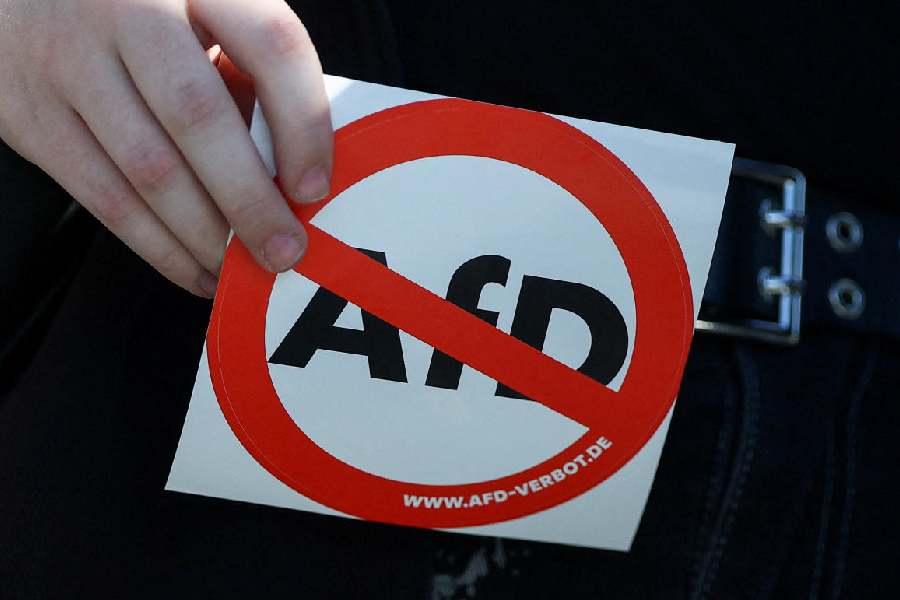
Some people who moved to Germany from other countries worry that they are no longer welcome.
This concern has grown as the Alternative for Germany, or AfD, has become more popular in eastern Germany.
The party wants stricter immigration rules and supports deporting people who have no legal right to stay.
Syrian families interviewed by Reuters described insults and other hostile treatment.
Shahd Najeeb and Mahmoud Hmouech fled the war in Syria and now work and raise their children in Germany.
They say Germany gave them safety, but they do not want their children to feel rejected.
The AfD says skilled workers who contribute to Germany are welcome.
Critics say its language about remigration can make foreigners feel threatened more generally.
The debate also matters because eastern Germany needs workers as its population ages.

Syrian refugees in eastern Germany say anti-immigrant hostility has increased as the AfD gains support.
The AfD is expected to become the largest party in Mecklenburg-Western Pomerania’s state election.
Interviewees reported insults, demands to leave Germany and other incidents, including one alleged assault involving foul-smelling water.
AfD candidate Leif-Erik Holm says skilled immigration is welcome but supports deporting foreigners without legal permission to remain.
Migrants are economically important to the region, which faces low birth rates, an ageing population and worker shortages.
- Who
- Syrian and other immigrant residents, the Alternative for Germany, AfD candidate Leif-Erik Holm and Social Democrat premier Manuela Schwesig are central to the report.
- What
- Immigrants report increasing anti-foreigner hostility as AfD support and debate over migration grow in eastern Germany.
- When
- The report was published September 19, ahead of a state election on Sunday; a televised debate took place on the preceding Wednesday.
- Where
- The interviews focus on Rostock and Schwerin in Mecklenburg-Western Pomerania, eastern Germany.
- Why
- Migration has returned to the centre of political debate while the AfD gains electoral support and campaigns for tighter immigration controls.
Migrant residents and critics
AfD position
Political rhetoric and belonging
Migrant residents and critics
Migrants and critics say rhetoric about remigration and foreigners creates fear, encourages hostility and makes long-term residents feel unwelcome.
AfD position
The AfD says its immigration focus concerns illegal immigration, while skilled workers who contribute to Germany should be accepted.
Deportations
Migrant residents and critics
Critics argue that broad anti-immigrant rhetoric affects foreigners generally, including people who work, pay taxes and contribute to local communities.
AfD position
Leif-Erik Holm says foreigners without a legal right to stay should be deported.
Economic impact
Migrant residents and critics
Economists and state officials warn that eastern Germany needs immigrant workers because of low birth rates, an ageing population and labour shortages.
AfD position
The AfD blames the government for allowing illegal immigration and failing to deport more people who are required to leave.
- Syrians in Germany
- More than 900,000 Syrians live in Germany, most having arrived as asylum seekers during the Syrian civil war.
- Syrian workers
- Around 316,000 Syrian nationals work in Germany, excluding Syrians who have acquired German nationality.
- State election
- Opinion polls suggest the AfD could become the largest party in Mecklenburg-Western Pomerania.
- Regional migrant workforce
- Around 50,000 people with a migration background work in Mecklenburg-Western Pomerania.
- AfD position
- Leif-Erik Holm says skilled workers are welcome but supports deporting more than 250,000 foreigners without a legal right to stay.
- Employment trend
- Among Syrians who had been in Germany for seven years or longer, more than 60% had jobs in 2023.
