

Archive · 29 Nov 2025
Expert Tips for Maximizing Food Freshness
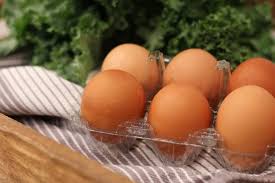
Experts say that to keep food fresh and safe, it's important to store it properly in the refrigerator.
This means putting perishable items in the fridge right away, keeping the temperature between 35-38 degrees Fahrenheit, and not leaving meat or other foods out for too long.
Different types of food have different storage needs.
For example, fruits and vegetables should be kept in the crisper drawers, and meats should be stored at the bottom to prevent cross-contamination.
Eggs should be stored on the middle or back shelves, and bread is best kept at room temperature or frozen to prevent staleness.
By following these tips, you can make your groceries last longer and reduce food waste.

Store perishable items in the refrigerator within two hours of being at room temperature.
Keep refrigerator temperatures between 35-38 degrees Fahrenheit (1.7-3.3 degrees Celsius).
Use crisper drawers to separate fruits and vegetables and control humidity.
Store meats at the bottom of the refrigerator to prevent cross-contamination.
Avoid refrigerating bread to prevent staleness, and freeze for up to six months.
- Who
- Experts and consumers
- What
- Tips for storing and preserving food to minimize waste and prevent foodborne illnesses
- When
- During the holiday season and with rising inflation
- Where
- At home, in the refrigerator
- Why
- To prolong freshness, reduce food waste, and stretch budgets
- Refrigerator Temperature
- 35-38 degrees Fahrenheit (1.7-3.3 degrees Celsius)
- Meat Storage Time
- Not more than two hours at room temperature, or one hour if above 90 degrees Fahrenheit (32 degrees Celsius)
- Egg Storage
- Middle or back shelves, avoid washing
- Leftovers Storage
- 3 to 4 days in the refrigerator or 3 to 4 months in the freezer
- Bread Storage
- Avoid refrigeration to prevent staleness, freeze for up to six months