

Archive · 28 Oct 2025
NGT Orders Himachal Pradesh to Draft Kufri Horse Management Guidelines
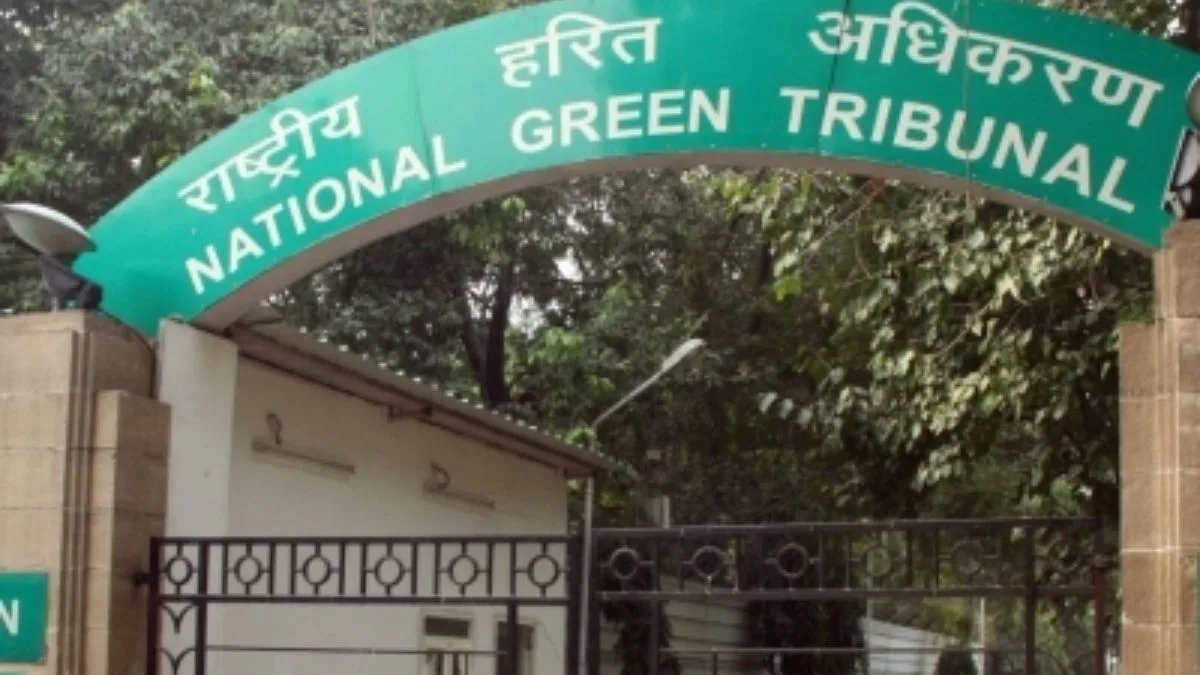
A court in India, called the National Green Tribunal, noticed that too many horses used for tourism in a beautiful forest area called Kufri were causing problems.
The court found that the number of horses was much higher than the forest could support, and their waste was polluting the water and harming plants.
So, the court told the government of Himachal Pradesh to create new rules within three months.
These rules will help manage the horses better.
They will also look at reducing the number of horses, finding ways to compost their waste, and possibly using eco-friendly vehicles for tourists.
The government needs to talk to horse owners while making these rules and then report back to the court.

The National Green Tribunal (NGT) has ordered the Himachal Pradesh government to create guidelines for horse and tourism management in Kufri within three months.
The case was initiated due to concerns about ecological damage from uncontrolled horse movement in the Kufri reserved forest area.
A committee found 1,029 registered horses, exceeding the area's carrying capacity, and confirmed damage to vegetation and water quality.
Recommendations include regulating activities, gradually reducing horse numbers, treating dung via vermicomposting, and introducing eco-friendly transport options.
The NGT accepted the committee's report and directed the state government to consult with horse owners while framing the guidelines, requiring an action-taken report afterward.
- Who
- National Green Tribunal (NGT) and the Himachal Pradesh government
- What
- NGT directed the Himachal Pradesh government to frame guidelines for horse and tourism management in Kufri to address ecological damage.
- When
- Within three months from the NGT's directive.
- Where
- Kufri, Himachal Pradesh, in the reserved forest and catchment area.
- Why
- To address ecological damage caused by unscientific management of horses and tourism activities, impacting natural vegetation, local ecology, and water quality.
Applicant's Concerns
Committee's Findings and Recommendations
Horse Numbers and Environmental Impact
Applicant's Concerns
Applicant alleged that 700-800 horses were causing ecological damage by impacting tree roots and forest trails in the Kufri reserved forest area.
Committee's Findings and Recommendations
A committee found 1,029 registered horses, significantly exceeding the daily carrying capacity of 217 (later revised to 293). They confirmed damage to natural vegetation, poor tree regeneration, invasive species, and water contamination.
Waste Management
Applicant's Concerns
The applicant highlighted ecological damage without specifically detailing waste management.
Committee's Findings and Recommendations
The committee recommended dung treatment through vermicomposting, noting that 400-500 tonnes of dung are generated annually, and the Forest Department proposed vermicomposting as a cost-effective solution.
Tourism Management and Solutions
Applicant's Concerns
The applicant focused on uncontrolled horse movement causing damage.
Committee's Findings and Recommendations
Recommendations included regulating activities via an Ecotourism Society, forming an Eco Development Committee, gradually reducing horse numbers, and introducing eco-friendly transport like battery-operated vehicles.
- NGT Directive
- Himachal Pradesh government to frame guidelines for Kufri horse management and tourism.
- Timeline for Guidelines
- Within three months.
- Area of Concern
- Kufri reserved forest and catchment area, Himachal Pradesh.
- Registered Horses Found
- 1,029
- Initial Daily Carrying Capacity
- 217 horses
- Revised Daily Carrying Capacity (Cifuentes methodology)
- 293 horses
- Annual Horse Dung Generated
- 400-500 tonnes
- Recommended Dung Treatment
- Vermicomposting
