

Archive · 30 May 2025
Rivers Pollute Air: Beaches Near Mouths Unsafe
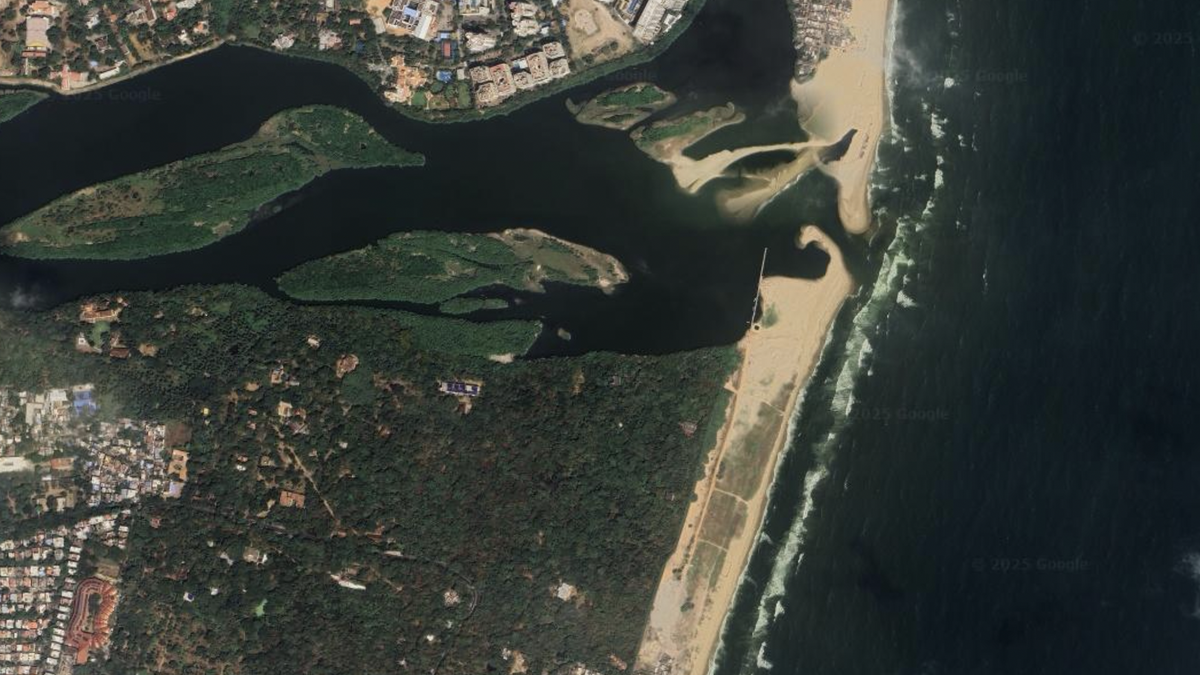
Rivers that flow into the ocean can carry pollutants that become airborne.
Scientists studied the Tijuana River near the U.S.-Mexico border and found that chemicals like sunscreen ingredients, tire additives, and drugs were present in the air near the river mouth.
They discovered that these substances can be released into the air and inhaled by people nearby.
The long-term effects of breathing these pollutants, especially for those living near the coast, are still unknown.
This research highlights a new way pollution can affect our health.

Scientists found pollutants from rivers can become airborne and inhaled.
The study focused on the Tijuana River near the U.S.-Mexico border.
Researchers sampled air and water, detecting various human-made compounds.
Common wastewater compounds were found concentrated in river water.
Long-term health effects of inhaling these pollutants are unknown.
- Who
- Scientists
- What
- Examined the aerosolization of pollutants from rivers into the air.
- When
- January to March 2020
- Where
- Tijuana River, near the U.S.-Mexico border
- Why
- To understand how river pollutants affect air quality near coastal areas.
- Study Location
- Tijuana River, near the U.S.-Mexico border
- Study Period
- January to March 2020
- Key Findings
- Pollutants from river water aerosolize and enter the air
- Pollutants Detected
- Sunscreen ingredients, tire additives, drugs, agricultural biocides
- Estimated Release
- 1 km of coastline could release 1 kg of octinoxate, up to 100 g of methamphetamine