

Archive · 19 Sep 2026
Indian Citizenship Requires Routes, Residency, Scrutiny, and Approval
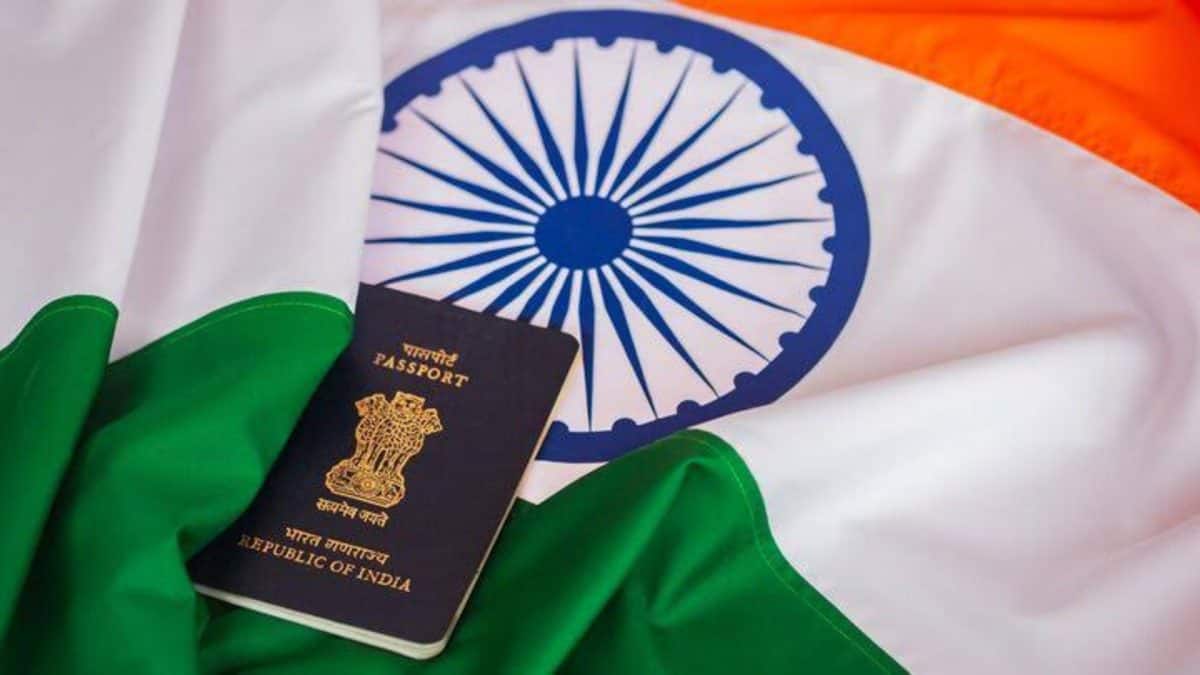
Becoming an Indian citizen is not automatic just because someone lives in India for many years.
The law provides several routes, including birth, family connections, registration, and naturalisation.
A foreign adult without a special connection usually needs 11 years of residence during the previous 14 years.
Some people with Indian family or historical connections may qualify through registration with a shorter residence requirement.
The Citizenship Amendment Act created a separate route for certain non-Muslim migrants from three neighbouring countries.
Applicants must prove their identity, lawful residence, family details, and other facts with documents.
Officials may conduct police and security checks before deciding.
Aadhaar, owning property, or having an Indian passport does not by itself settle a citizenship dispute.
Courts can review an unlawful process, but they generally do not directly grant citizenship.

India offers citizenship through birth, descent, registration, naturalisation, and a separate CAA route.
Ordinary naturalisation generally requires 11 years of residence during the previous 14 years, including the year before applying.
Registration may be available to people with Indian connections, including Indian origin, marriage, parentage, former citizenship, or qualifying OCI status.
The 2019 Citizenship Amendment Act reduces the residence requirement for specified non-Muslim migrants from Afghanistan, Bangladesh, and Pakistan who entered by December 31, 2014.
Property ownership, Aadhaar, emotional attachment, or long residence alone does not establish Indian citizenship, and approval remains discretionary.
- Who
- Foreign nationals and other applicants seeking Indian citizenship, assessed by the competent central authorities.
- What
- An explanation of the legal routes, residence requirements, documentation, and government discretion involved in obtaining Indian citizenship.
- When
- The framework discussed includes the Citizenship Act, 1955, the Citizenship (Amendment) Act, 2019, and rules and data through March 2024; the article also references a constitutional challenge status as of September 15, 2026.
- Where
- India, with applications submitted through local district authorities or Indian consular authorities abroad.
- Why
- To clarify that eligibility depends on statutory routes and official scrutiny rather than simply residence, property ownership, Aadhaar, or personal attachment.
Government and Eligibility View
Critics and Safeguards View
Citizenship Amendment Act
Government and Eligibility View
The government presents the CAA as protection for persecuted non-Muslim minorities from Afghanistan, Bangladesh, and Pakistan and as an accelerated statutory route.
Critics and Safeguards View
Critics challenge the selection of communities and countries, including the exclusion of groups such as Ahmadis, Hazaras, Sri Lankan Tamils, and Rohingya, and question compatibility with equality and secularism.
Government discretion
Government and Eligibility View
Supporters and legal experts cited in the article say citizenship requires a uniform national decision, with the Ministry of Home Affairs applying statutory criteria and considering security and administrative factors.
Critics and Safeguards View
The process should provide fair hearings, natural justice, safeguards for incomplete records, and judicial review where decisions are arbitrary, unlawful, or delayed.
Documentation and data
Government and Eligibility View
Authorities rely on documents, police checks, security verification, and residence records to test identity, lawful status, and statutory entitlement.
Critics and Safeguards View
Critics warn that inconsistent or missing records can unfairly exclude applicants and argue that registration data should not be shared for immigration enforcement without legislative or judicial safeguards.
- Ordinary naturalisation
- Usually requires residence in India for 11 years during the preceding 14 years, including one continuous year immediately before applying.
- Registration
- May apply to people with qualifying connections such as Indian origin, marriage to an Indian citizen, parentage, former citizenship, or qualifying OCI status.
- Registration residence examples
- The article states that some Indian-origin or Indian-origin-spouse applicants must reside in India for seven years, while qualifying OCI holders must reside for two years.
- CAA route
- Section 6B covers specified Hindus, Sikhs, Buddhists, Jains, Parsis, and Christians from Afghanistan, Bangladesh, or Pakistan who entered India on or before December 31, 2014.
- Proof and scrutiny
- Applicants may need identity, nationality, lawful-entry, residence, birth, lineage, character, police, and security documentation.
- Citizenship documents
- Aadhaar is not a citizenship certificate; voter identification and an Indian passport may have evidentiary value but do not always resolve disputes.
- Recent grants
- The Ministry of Home Affairs reported 1,739 citizenship certificates from April 1 to December 31, 2022, and 1,699 from April 1, 2023 to March 31, 2024.