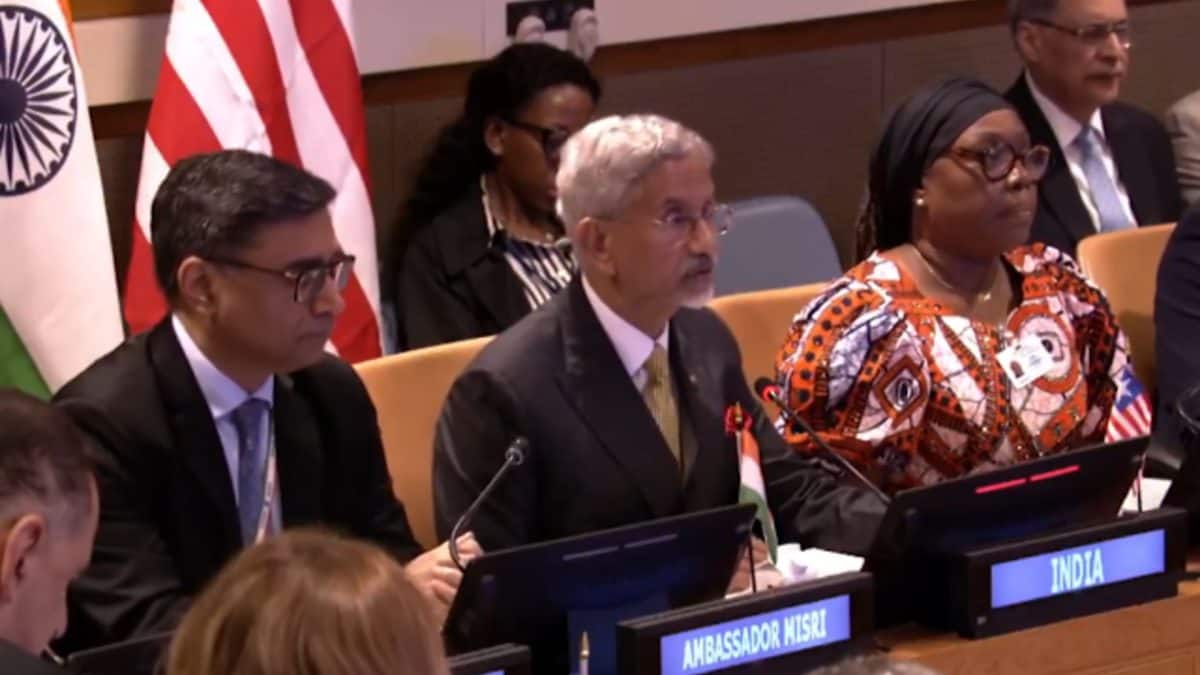
2 hrs ago
Allies Back Saudi Arabia as Iranian Flights Face Restrictions

Fighting across the Middle East continued despite efforts to restart peace talks.
Yemen’s Houthi movement attacked Saudi Arabia, and Saudi Arabia said it stopped six missiles.
Saudi Arabia, Turkey and Pakistan are discussing ways to help defend the kingdom.
Several countries also restricted flights to and from Iran after new United States sanctions.
Iran said these countries were siding with the United States.
An Iranian official warned that blocking Iranian flights could have consequences for other countries.
Iran offered to reopen the Strait of Hormuz if fighting stopped and several economic restrictions were removed.
The conflict has disrupted oil shipments, trade and energy supplies.
Diplomats were still considering whether a truce could be reached.

Saudi, Turkish and Pakistani military chiefs are preparing talks on assistance for Saudi Arabia amid Houthi attacks.
Iraq suspended Iran-related flights at its remaining three airports, after Baghdad airport had already halted them.
The restrictions followed new United States sanctions and similar flight bans in the United Arab Emirates and Oman.
The Houthis claimed attacks on Saudi targets, while Saudi Arabia said it intercepted six ballistic missiles.
Iran proposed reopening the Strait of Hormuz if hostilities ended and sanctions, port restrictions and frozen-funds measures were lifted.
- Who
- Saudi Arabia, the Houthis, Iran, Iraq, the United States, Turkey and Pakistan are central parties; Saudi, Turkish and Pakistani military chiefs are also involved in planned discussions.
- What
- Regional allies are coordinating support for Saudi Arabia while countries restrict Iranian flights amid continuing military escalation and stalled diplomacy.
- Where
- The main developments involve Saudi Arabia, Yemen, Iran, Iraq, the Gulf, Lebanon and New York.
- When
- The developments were reported on Friday, September 25, after attacks and diplomatic activity during the same week.
- Why
- The measures followed Houthi attacks, United States sanctions on businesses linked to Iran, and the wider conflict; Iran linked a possible reopening of the Strait of Hormuz to an end to hostilities and the removal of restrictions.
Saudi-led security response
Iranian objections and diplomacy
Military support for Saudi Arabia
Saudi-led security response
Saudi Arabia, Turkey and Pakistan condemned attacks on Saudi Arabia and affirmed the kingdom’s right to defend itself; Turkey said expanded military support could be considered.
Iranian objections and diplomacy
Iranian officials criticized regional countries for aligning with the United States and warned that restrictions on Iranian aviation could produce broader consequences.
Flight restrictions and sanctions
Saudi-led security response
The United States expanded financial pressure through secondary sanctions, while neighboring and regional countries restricted Iranian airline access.
Iranian objections and diplomacy
Iran said the restrictions deepened its isolation and economic crisis and objected to regional cooperation with United States sanctions.
Path to de-escalation
Saudi-led security response
Diplomatic efforts continued in New York, but talks remained stalled while attacks and military preparations continued.
Iranian objections and diplomacy
Iran proposed ending hostilities on all fronts within seven days, reopening the Strait of Hormuz, and then beginning further talks on issues including its nuclear program.
Key facts
- Military discussions
- Saudi, Turkish and Pakistani military chiefs are expected to discuss assistance for Saudi Arabia.
- Iraqi flight restrictions
- The three Iraqi airports still operating Iran flights joined Baghdad airport in suspending them.
- Other flight bans
- Iranian airlines were barred from the United Arab Emirates and Oman after new United States sanctions.
- Reported interception
- Saudi Arabia said it intercepted six ballistic missiles fired by Houthi fighters.
- Iranian proposal
- Iran proposed reopening the Strait of Hormuz after seven days if hostilities ended on all fronts and specified conditions were met.
- Economic impact
- The conflict has disrupted oil exports, shipping and energy supplies, adding to inflationary pressures.
Quotes

Mohammad Mokhber
Adviser to Iran’s supreme leader
“If Iran does not have the possibility to fly and receive airport services, then no country in the region will have this possibility either”
 theprint.in
“More advanced military support could also be considered depending on the scale of the threat”
theprint.in
Sources
Related news
US Sanctions Shut Iranian Flights as Saudi Arabia Intercepts Missiles
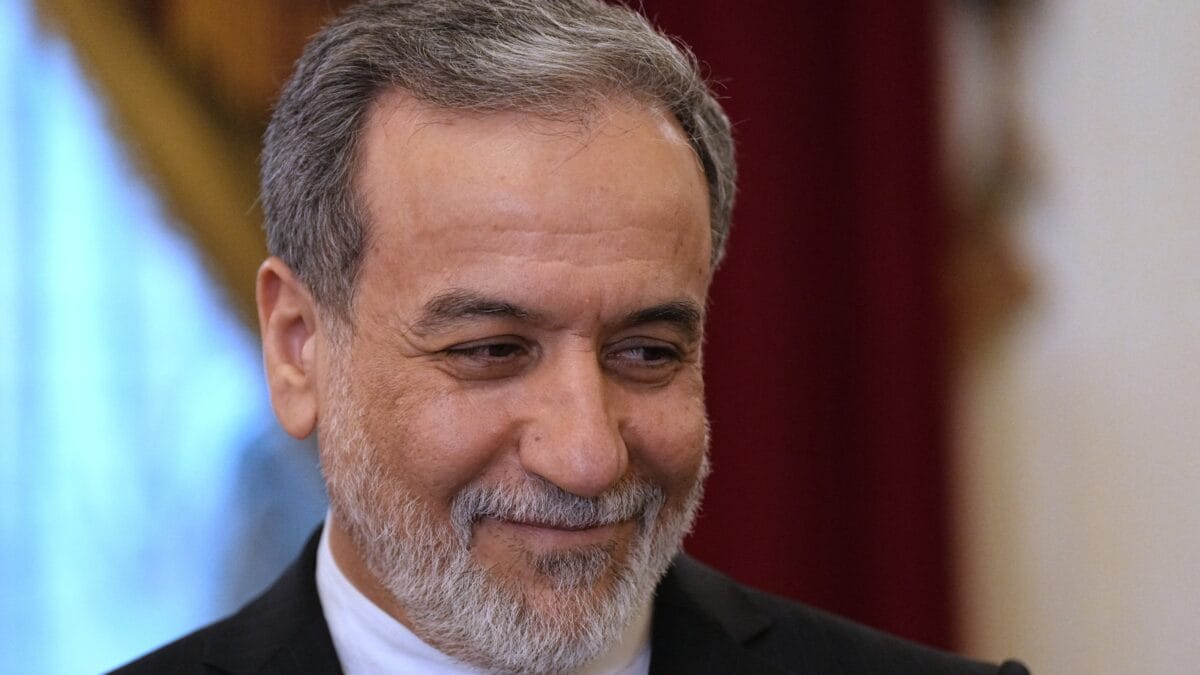
Iran FM Arrives in New York as Britain Backs Saudi

US Threatens Iranian Airlines as Middle East Shipping Tensions Rise
Gulf Talks Delayed as Houthis Strike Saudi Arabia

Houthi Attacks Injure 13 as Hormuz Talks Stall
Saudi Arabia and Houthis Exchange Strikes as Yemenis Flee
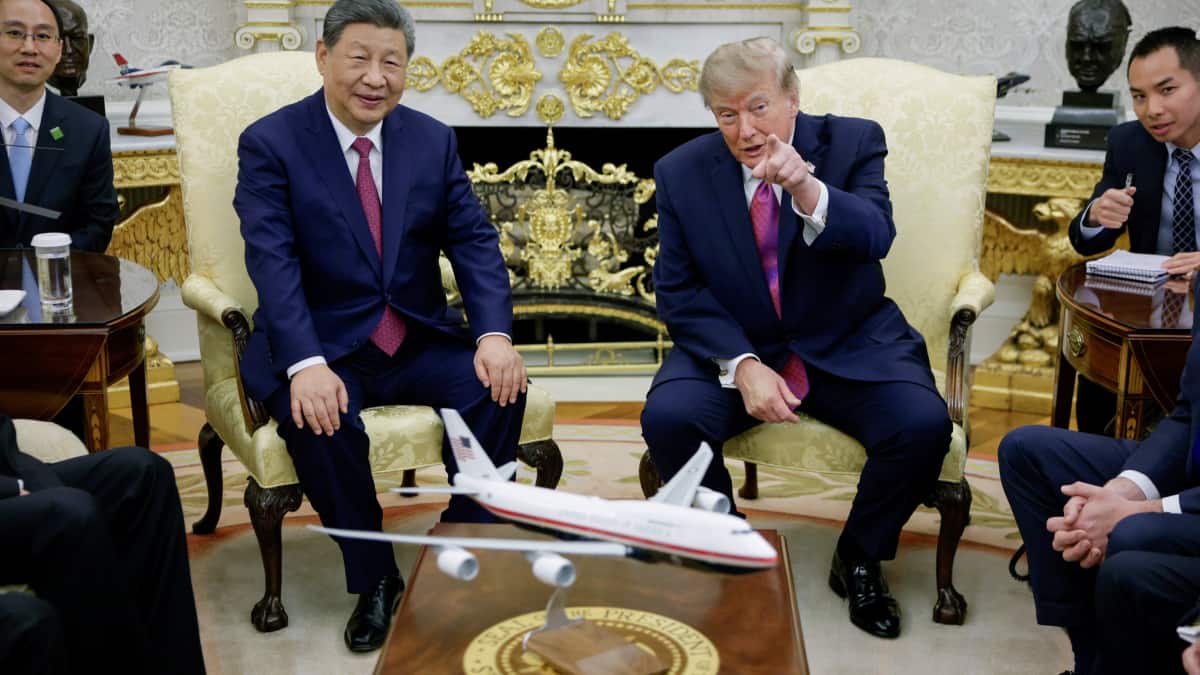
Trump Says US, China Made Progress During Xi Visit

India Turns to Record US LNG Imports Amid Hormuz Disruption
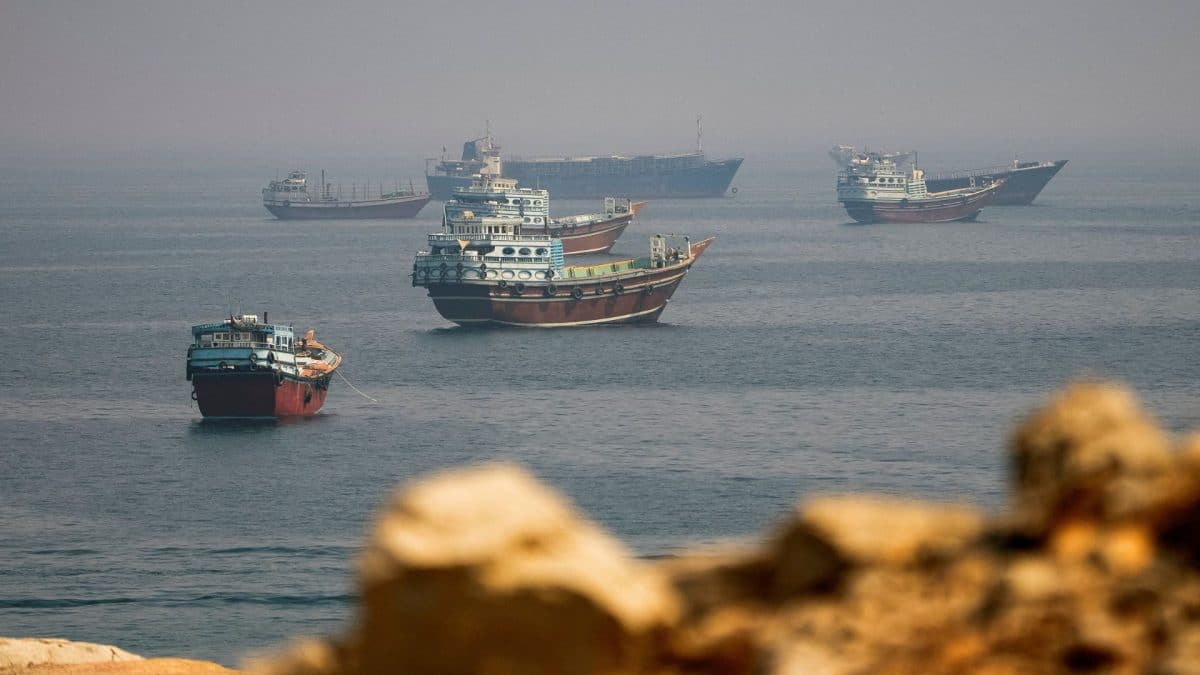
Iran Offers Seven-Day Hormuz Reopening for U.S. Concessions
Trump Tells Xi Chinese Support for Iran Is Unacceptable