2 days ago
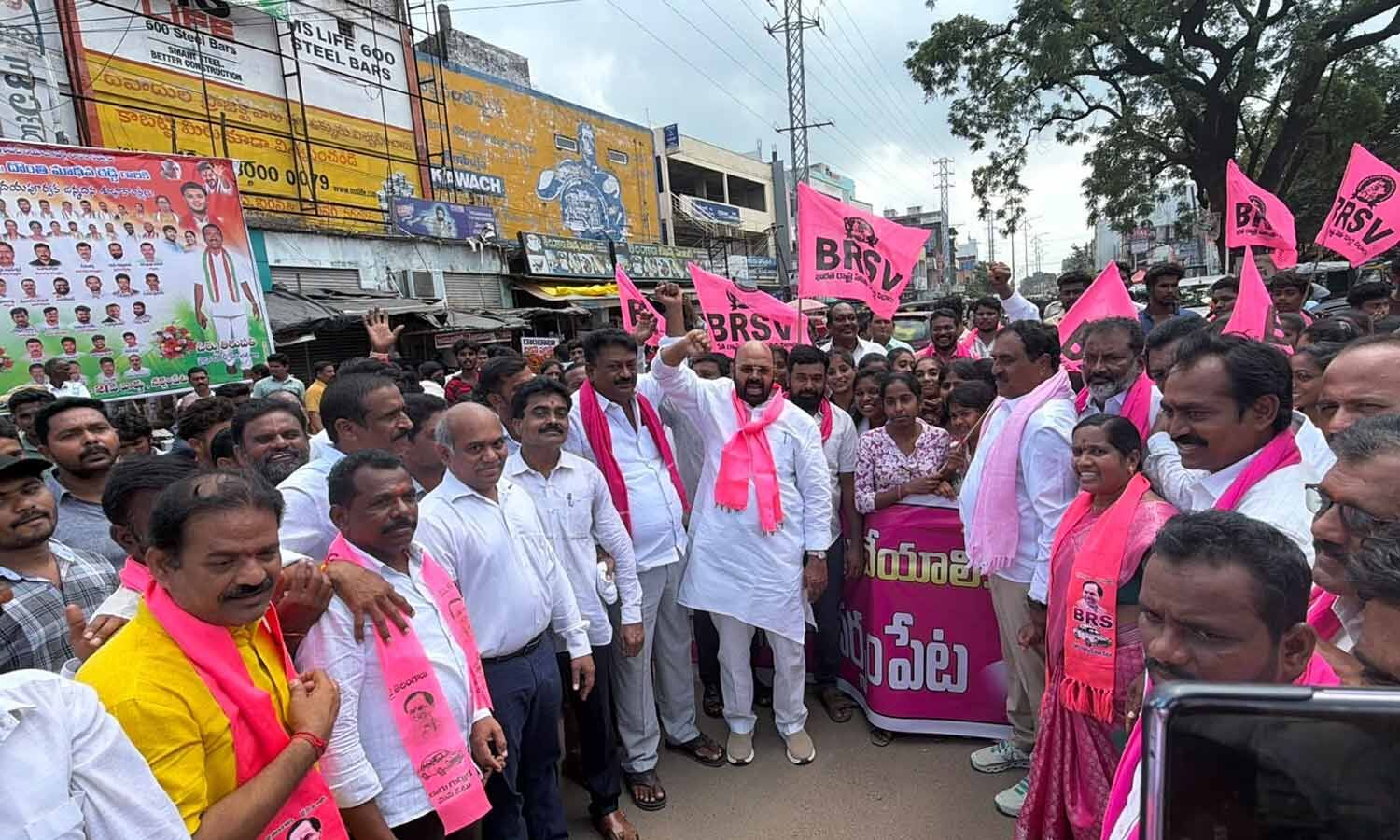
BRS Protest in Warangal Targets Congress Government’s Farm Record
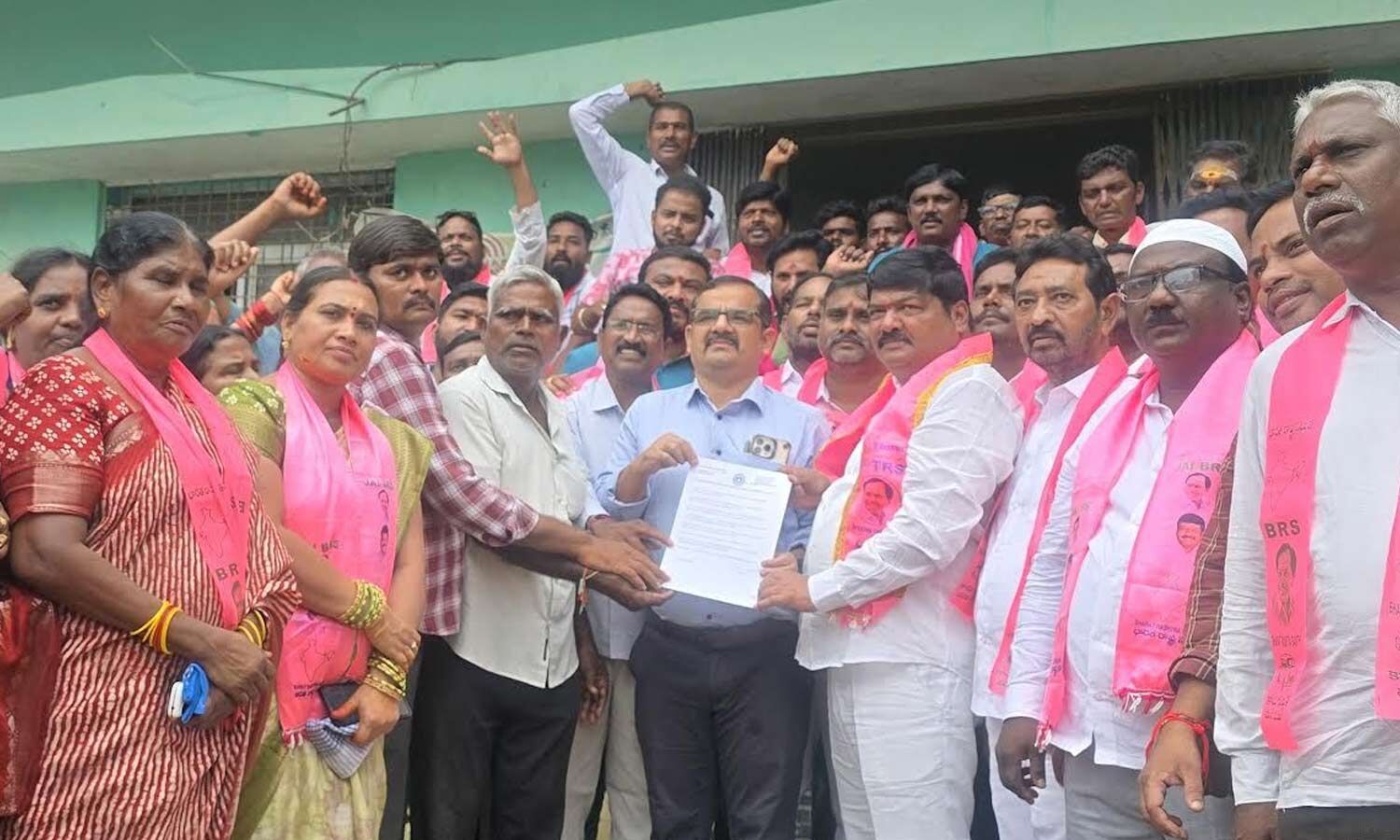
The Bharat Rashtra Samithi held a protest in Warangal about farmers’ problems.
The protest happened outside a government revenue office on Thursday.
Former MLA Nannapuneni Narendar led the protest.
BRS said the Congress government had not kept several promises to farmers.
Protesters said farmers were struggling to get urea and seeds.
They also said farmers had to wait in long lines.
Farmers compared today’s electricity supply with the 24-hour free power they said was provided under the previous BRS government.
The protest was part of a larger campaign about farm loans, irrigation, electricity, insurance, and crop purchases.

The Bharat Rashtra Samithi held a protest outside the MRO office in Warangal on Thursday.
Former Warangal East MLA Nannapuneni Narendar led the demonstration and submitted a memorandum.
BRS alleged that the Congress government had failed farmers during its first 1,000 days in power.
Protesters cited shortages of urea and seeds, long queues, and erratic electricity supply.
The protest was part of BRS’s statewide “Jung Siren–Samara Shankam” campaign from September 2 to 8.
- Who
- The Bharat Rashtra Samithi, led by former Warangal East MLA Nannapuneni Narendar, and participating farmers.
- What
- A dharna and memorandum submission alleging that the Congress government had failed farmers.
- Where
- Outside the MRO office in Warangal.
- When
- The protest took place on Thursday; it was part of a campaign running from September 2 to 8.
- Why
- BRS sought attention to alleged shortages of farm inputs, unreliable power, farm loan waivers, irrigation, crop insurance, and procurement.
Key facts
- Organiser
- Bharat Rashtra Samithi
- Location
- MRO office, Warangal
- Protest leader
- Nannapuneni Narendar, former Warangal East MLA
- Government criticised
- Congress government
- Stated timeframe
- The government’s first 1,000 days in power
- Campaign
- “Jung Siren–Samara Shankam,” held from September 2 to 8
- Issues raised
- Urea and seed shortages, electricity supply, loan waivers, irrigation, crop insurance, and procurement
Sources
Related news
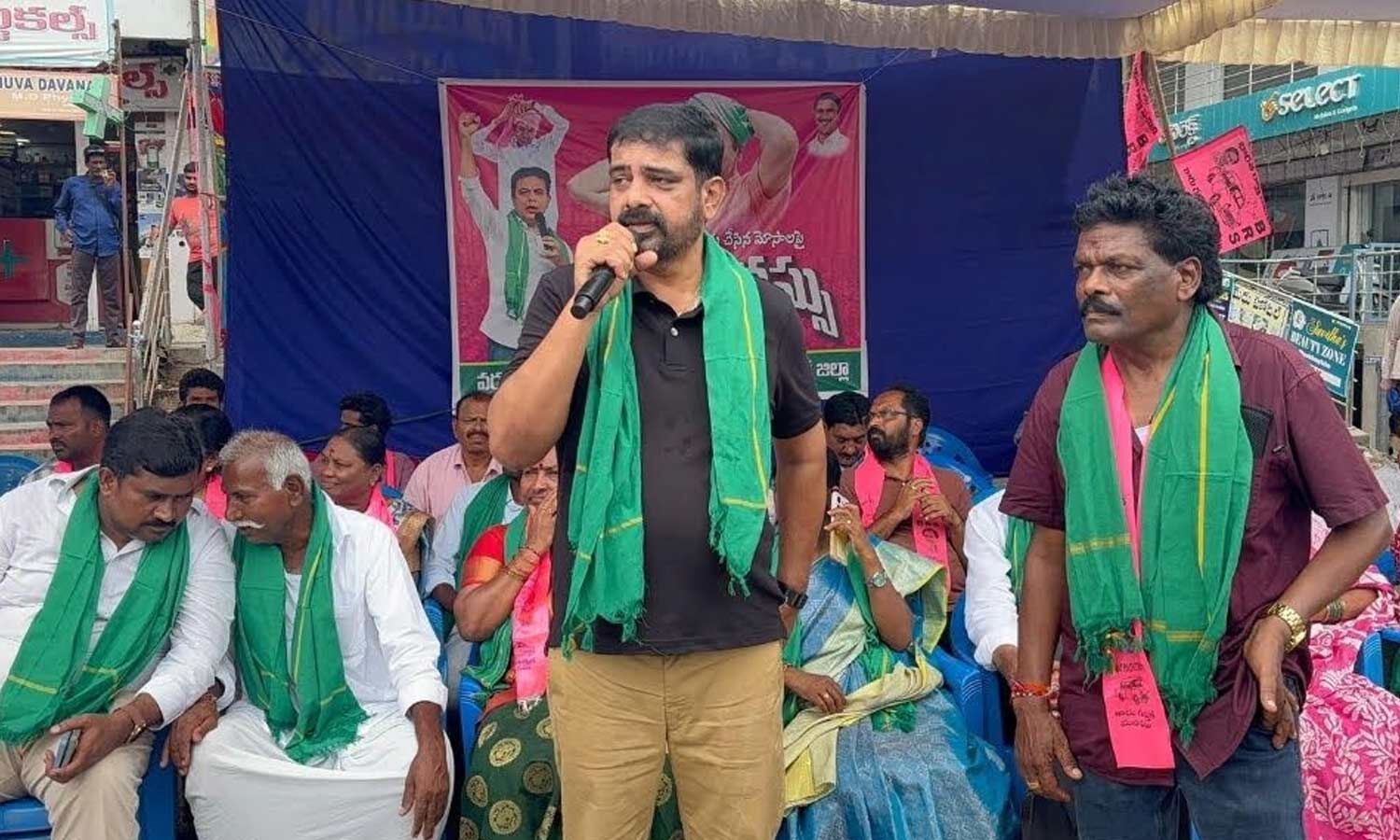
BRS Demands Congress Accountability Over Alleged Anti-Farmer Policies
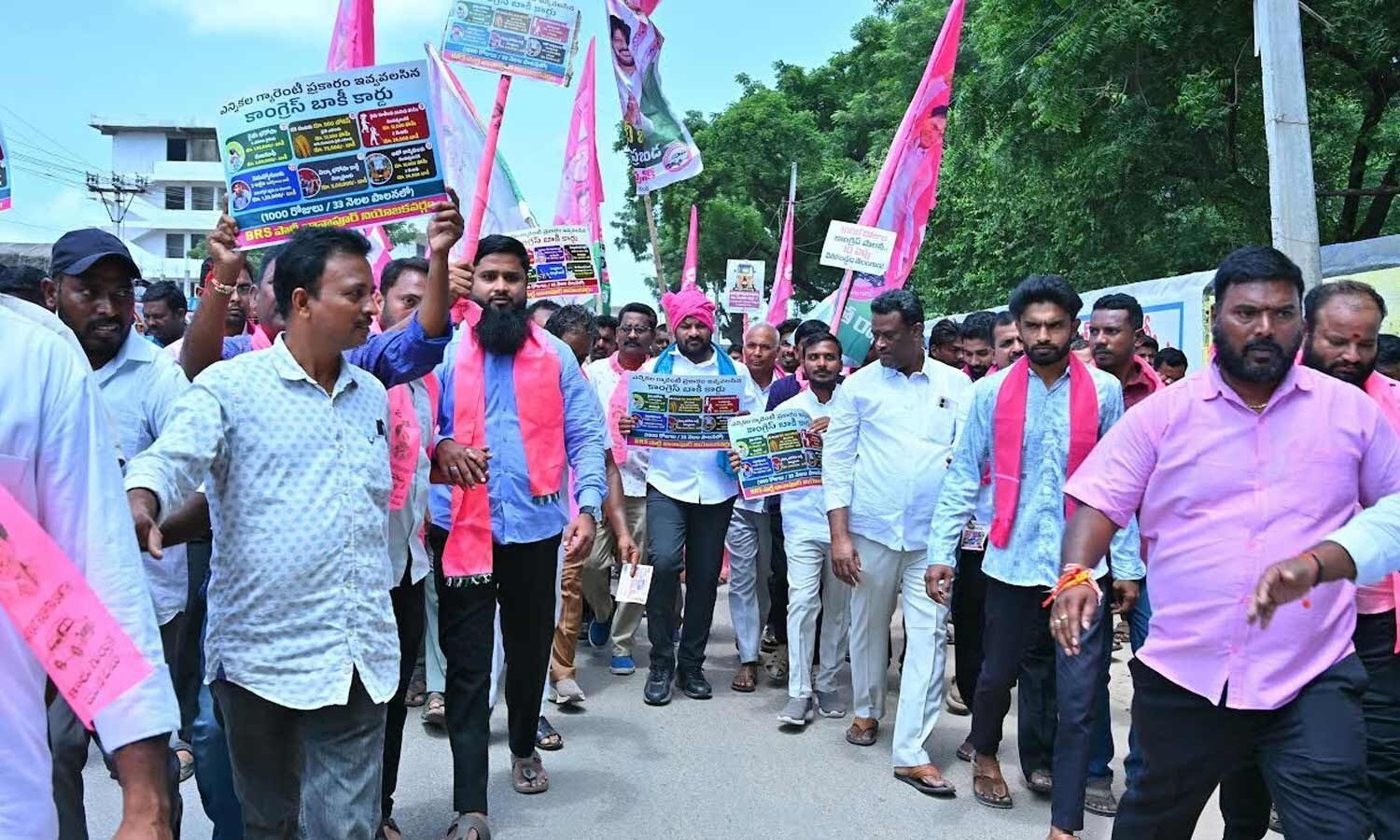
BRS Protests Across Telangana Over Unfulfilled Congress Promises
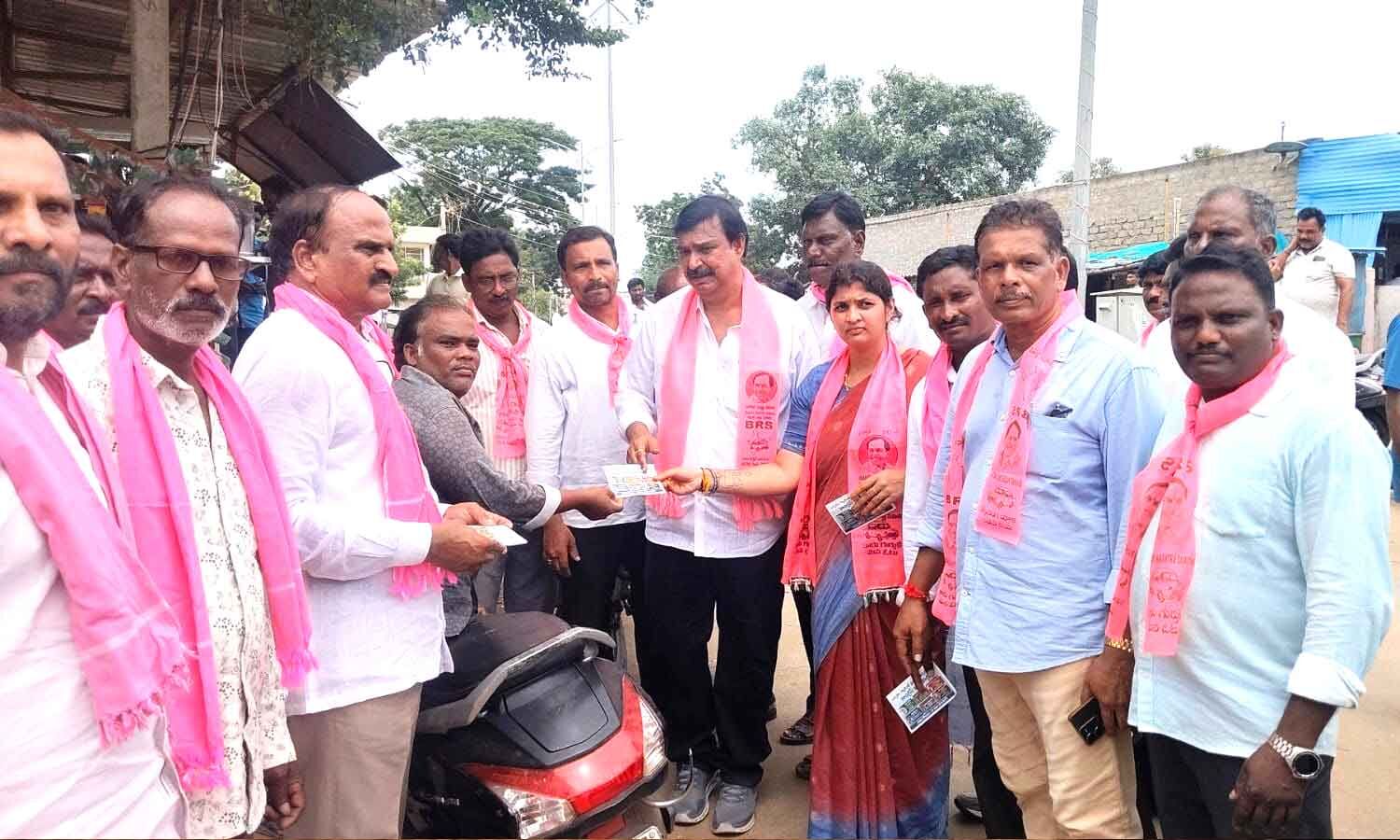
BRS Accuses Telangana Congress Government of Failing Poll Promises

BRS Leader Accuses Congress Government of Abandoning Six Guarantees
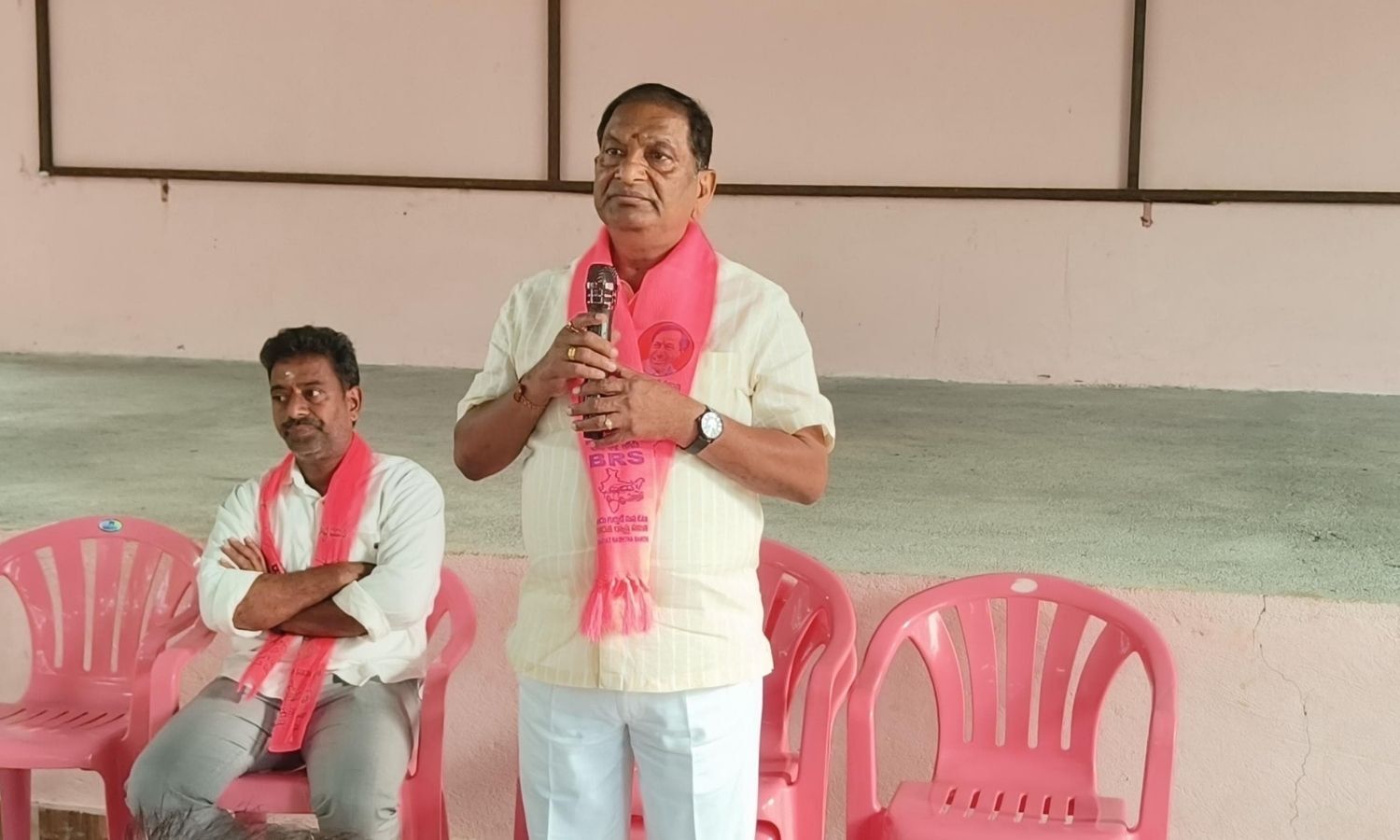
BRS Plans Telangana Protests Over Congress Government Failures

Revanth Reddy Accuses KTR of Injustice Toward Kavitha
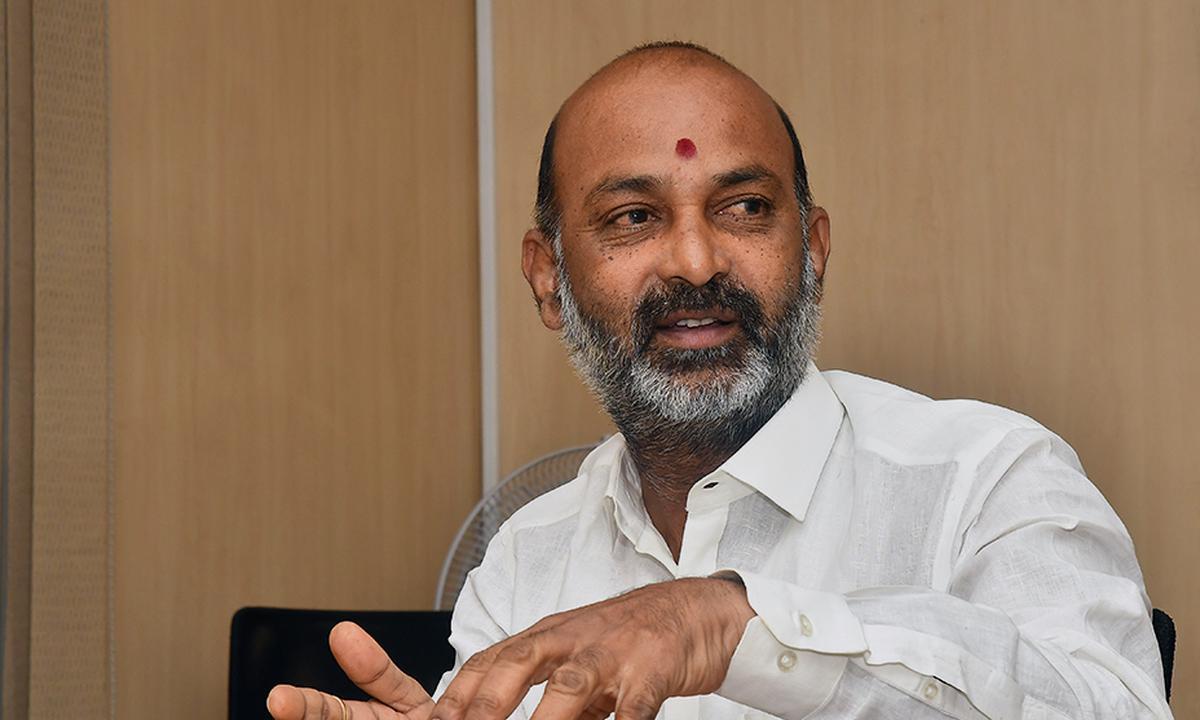
Bandi Sanjay Accuses Congress, BRS of Failing Teachers

Revanth Reddy Targets Sircilla, Siddipet and Challenges KCR’s Assembly Absence

Revanth Reddy Predicts Congress Landslide in 2028 Telangana Polls

KTR Challenges Rahul Gandhi to Hear Telangana Students' Concerns