

Archive · 30 Dec 2025
South Korea Ends Bear Bile Farming
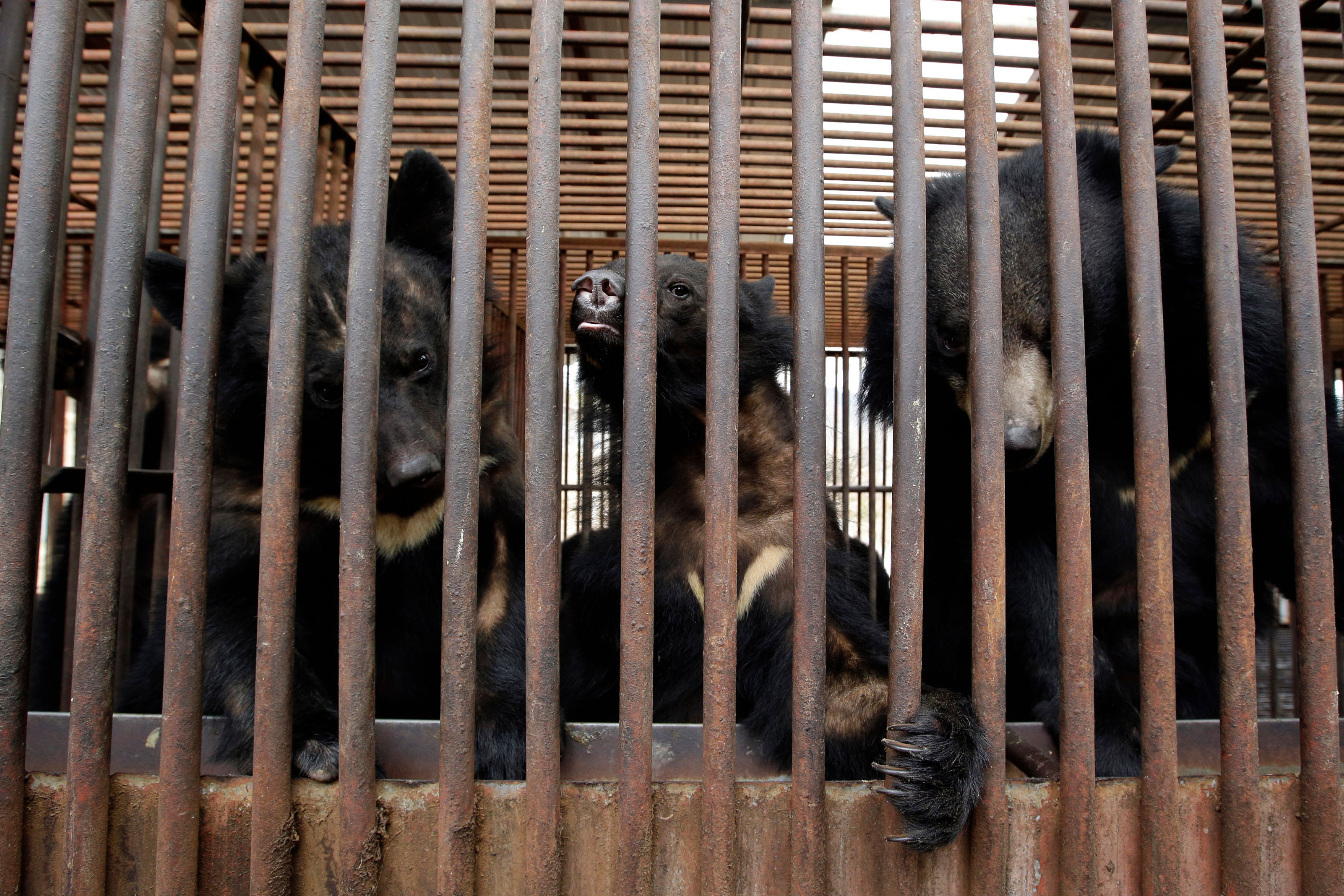
South Korea is stopping the practice of farming bears for their bile, which is used in traditional medicine.
The government has announced that starting January 1, it will be illegal to breed bears, keep them in farms, or take their bile.
This is part of a plan to completely end bear bile farming by 2026.
About 200 bears are still on farms, and there are disagreements about how much money farmers should get for giving up their bears.
Animal rights groups are helping to buy and relocate the bears to sanctuaries, but there aren't enough places for all the bears yet.
The government is also offering financial help to farmers who keep their bears until they can be moved.
Some farmers are unhappy because they have debts from taking care of the bears.
Animal rights groups are happy with the decision but want the government to build more places to protect the bears.

South Korea will ban bear breeding, possession, and bile extraction starting January 1, 2024.
About 200 bears remain on 11 farms, with 21 already relocated to a sanctuary in Jeolla province.
Disputes continue over compensation for farmers giving up their bears.
The government will provide financial incentives to farmers who keep their bears until relocation.
Animal rights groups praise the decision but urge the government to establish more protection facilities.
- Who
- South Korea's Ministry of Climate, Energy and Environment, farmers, animal rights groups
- What
- Ending bear bile farming and relocation of bears to sanctuaries
- When
- Ban begins January 1, 2024; full prohibition by 2026
- Where
- South Korea, with sanctuaries in Jeolla province
- Why
- To improve animal welfare and fulfill international agreements
- Bears remaining
- 199
- Farms remaining
- 11
- Bears relocated
- 21
- Sanctuary capacity
- 49 bears (Jeolla province)
- Penalty for violations
- 2-5 years in prison
- Bears in 2014
- 1,000
- Grace period
- 6 months for existing farmers