Archive · 13 Nov 2025
New Malaria Treatments Aim to Combat Growing Drug Resistance
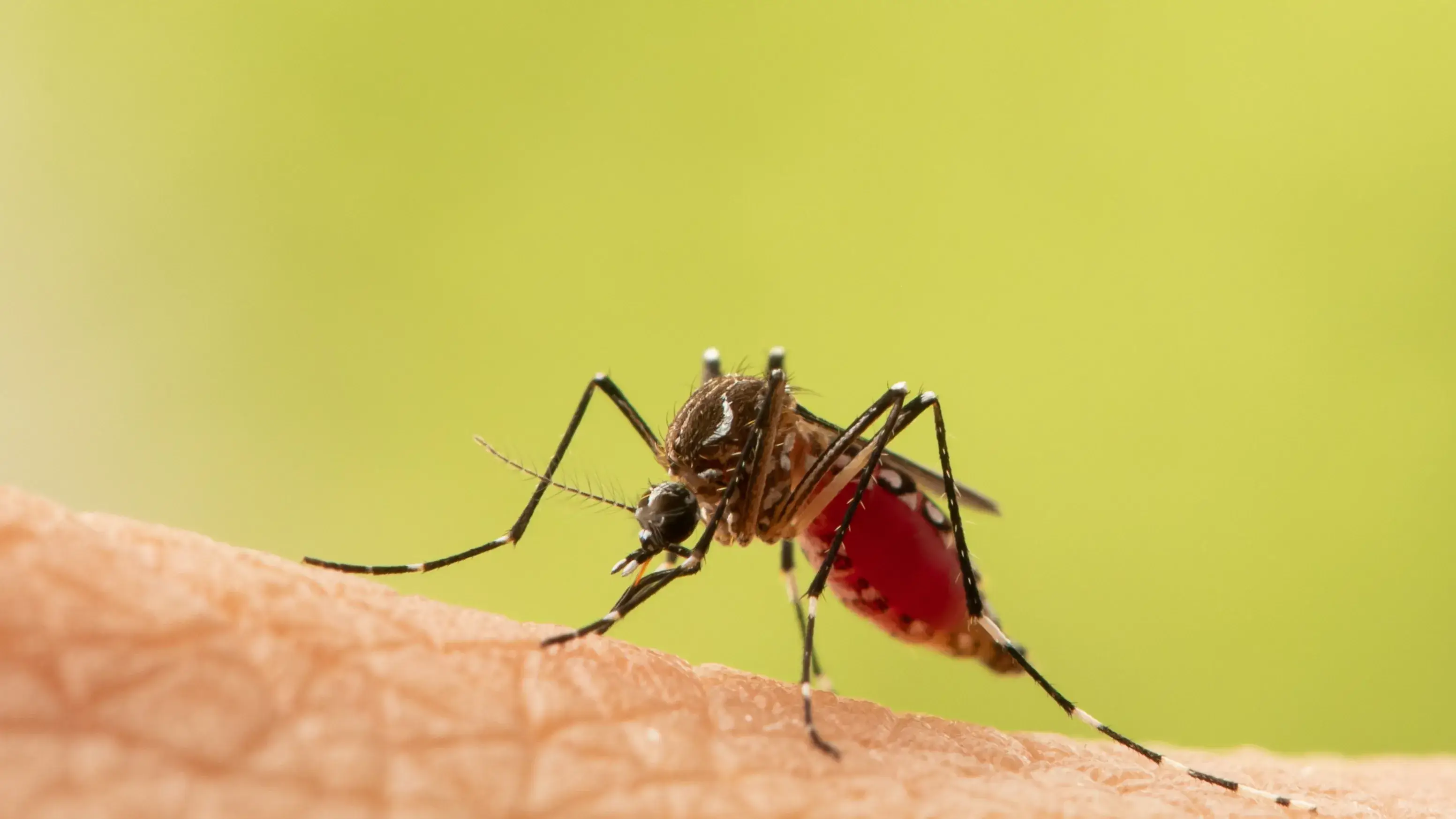
Malaria is a sickness spread by mosquitoes, and the tiny germs that cause it are getting tougher to kill with the medicines doctors usually use.
This is a big problem because it means more people could get very sick and even die.
Two new ways to fight malaria have been announced.
One is a new drug from a company called Novartis, called GanLum.
Tests showed it works really well, even better than some current drugs, and it helps stop the germs from becoming resistant.
Another study tested giving four medicines all at once in a single dose, which also showed good results.
This is helpful because some people don't finish taking their medicine for the full number of days, and that can make the germs stronger.
Both new treatments aim to be more effective and easier to use, but there are concerns about funding for malaria research and how quickly these new treatments can be made available to everyone who needs them.

Researchers presented findings on two new malaria treatment approaches to combat growing drug resistance.
Novartis' experimental drug GanLum showed a cure rate over 97% in trials across 12 African countries.
A separate study demonstrated a single-dose treatment of four existing malaria drugs was effective in 93% of patients.
The new treatments aim to overcome resistance issues and improve patient adherence compared to current multi-day regimens.
Concerns remain regarding funding cuts that could impact malaria research, monitoring of drug resistance, and accessibility of new treatments.
- Who
- Researchers and pharmaceutical companies including Novartis, in collaboration with Medicines for Malaria Venture and academic experts.
- What
- Announced results of two new malaria treatment approaches: Novartis' experimental drug GanLum, and a single-dose combination of four existing drugs.
- When
- Wednesday (announcements and presentations)
- Where
- Trials conducted in 12 African countries and West Africa; presentations in Toronto.
- Why
- To address growing resistance of the malaria parasite to existing medications and improve treatment outcomes.
Concerns about Drug Resistance and Treatment Adherence
Promise of New Malaria Treatments
Effectiveness and Resistance
Concerns about Drug Resistance and Treatment Adherence
Existing artemisinin-based therapies are showing signs of resistance, and some components of the new four-drug treatment already have resistance established, suggesting it might be a short-term fix.
Promise of New Malaria Treatments
Novartis' GanLum showed a cure rate of over 97%, outperforming common artemisinin-based treatments, and was effective against resistant parasite strains. The single-dose four-drug treatment also showed a high cure rate (93% vs 90%).
Treatment Adherence and Administration
Concerns about Drug Resistance and Treatment Adherence
Patients struggle to complete multi-day malaria treatments, which can encourage drug resistance and lead to complications. The taste of GanLum may also increase vomiting.
Promise of New Malaria Treatments
A new single-dose treatment is being explored to improve adherence. Novartis is also looking into adjusting the taste of GanLum to make it more palatable.
Funding and Future Availability
Concerns about Drug Resistance and Treatment Adherence
Decreasing funding from the US and other sources could hinder the ability to monitor drug resistance and make new treatments available.
Promise of New Malaria Treatments
GanLum is expected to be available within 18 months after regulatory approvals, and discussions are underway for a single-dose pill/packet for the four-drug treatment.
- Novartis Drug Name
- Ganaplacide/lumefantrine (GanLum)
- Novartis Drug Efficacy
- >97% cure rate
- Standard Artemisinin Efficacy
- ~94% cure rate
- Novartis Drug Development Partner
- Medicines for Malaria Venture
- Single-Dose Treatment Study Efficacy
- 93% parasite-free after 28 days
- Single-Dose Treatment Components
- Artemisinin, pyronaridine, sulfadoxine, pyrimethamine
- Single-Dose Treatment Study Participants
- >1,000 patients (half under 10)
- Trial Presentation Venue
- American Society of Tropical Medicine and Hygiene conference