

1 hr ago
NSE IPO Draws Strong Demand Despite Derivatives Concerns
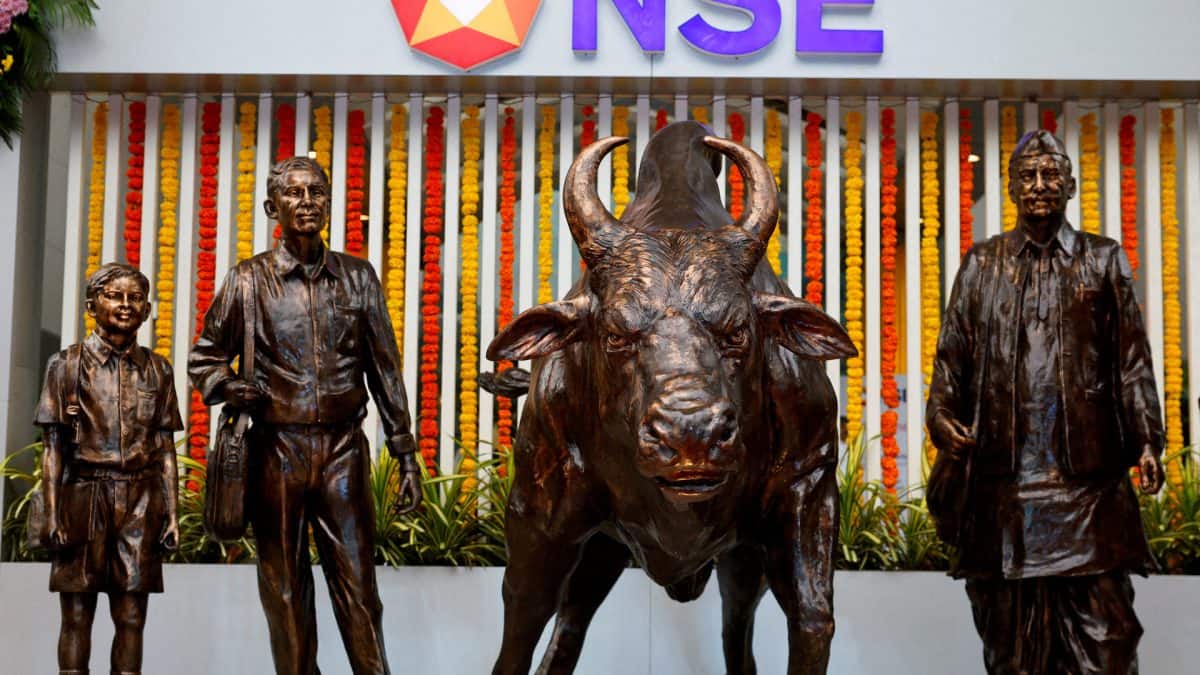
The National Stock Exchange of India offered shares to the public for the first time.
Investors wanted 5.69 times more shares than were available.
Large institutions showed the strongest interest, while individual investors also participated.
People like NSE because it is India's largest stock exchange and handles much of the country's trading.
Its public listing had been delayed for about a decade.
The shares were priced lower than some earlier estimates, making them more attractive.
However, NSE earns a large share of its transaction revenue from options trading, which has slowed.
Its revenue and profit also fell in the latest full financial year described.
Investors are hoping the exchange's wider businesses and long-term growth will offset these risks.
The next important event is NSE's planned listing on the BSE on September 24.

The National Stock Exchange of India IPO was subscribed 5.69 times, receiving bids for about 50.4 crore shares against 8.86 crore on offer.
Qualified institutional buyers led demand with 12.68 times subscription, while non-institutional investors subscribed 6.55 times and retail investors 1.39 times.
Investors were attracted by NSE's dominant market position, long-awaited public listing and valuation below earlier expectations.
The exchange raised Rs 6,746 crore from 189 anchor investors, including major domestic and global institutions.
NSE shares are scheduled to list on the BSE on September 24, although derivatives dependence and regulatory risks remain concerns.
- Who
- The National Stock Exchange of India, institutional investors, non-institutional investors and retail investors.
- What
- NSE's Rs 22,568.94-crore IPO was subscribed 5.69 times.
- Where
- The shares are scheduled to list on the BSE in India.
- When
- Bidding closed on September 21, and the shares are scheduled to list on September 24.
- Why
- Demand was supported by NSE's dominant market position, strong institutional participation, long-awaited listing and pricing below earlier valuation expectations.
Long-term growth case
Risk-focused case
Market position
Long-term growth case
NSE's dominant share of India's cash equity and options markets gives investors exposure to the growth of the country's financial system.
Risk-focused case
The exchange's concentration in trading activity leaves it exposed to changes in market volumes and regulations.
Valuation
Long-term growth case
The IPO valuation was reportedly 15% to 20% below earlier pre-IPO expectations and about 40% below some 2024 private-market estimates.
Risk-focused case
At the upper price-band level, the exchange was valued at about $46 billion, and valuation remains a factor investors must assess after listing.
Derivatives dependence
Long-term growth case
Investors appear to be looking beyond the slowdown because NSE is expanding into market data, indices, commodities, electricity derivatives and GIFT City operations.
Risk-focused case
Options represented about 77% of transaction-charge revenue in FY26, while options volumes fell from their 2024 peaks and regulatory changes have pressured the segment.
Key facts
- IPO size
- Rs 22,568.94 crore
- Overall subscription
- 5.69 times
- QIB subscription
- 12.68 times
- Price band
- Rs 1,700 to Rs 1,785 per share
- Anchor funding
- Rs 6,746 crore from 189 investors
- Planned listing date
- September 24 on the BSE
- FY26 performance
- Revenue from operations fell 3% to Rs 16,601 crore, while profit after tax fell 15% to Rs 10,302 crore
Sources
Related news
NSE IPO Closes 5.7 Times Subscribed Ahead of BSE Listing
NSE IPO Fully Subscribed on Day Two as Institutions Lead

NSE IPO Fully Subscribed on Day Two After Strong Demand
NSE’s Rs 22,569-Crore IPO Opens With 9% Subscription
NSE IPO Surpasses Hyundai, LIC and Paytm Subscription Records

NSE Launches £1.76bn IPO After Decade-Long Wait

NSE IPO Allotment Today as Demand Exceeds ₹90,000 Crore
Indian Stocks Rise as Oil Cools, NSE IPO Attracts Bids

Indian Stocks Rise as Brent Crude Falls Below $101
